College Dropout Turns Thiel Fellowship Into A $2 Billion Figma Fortune
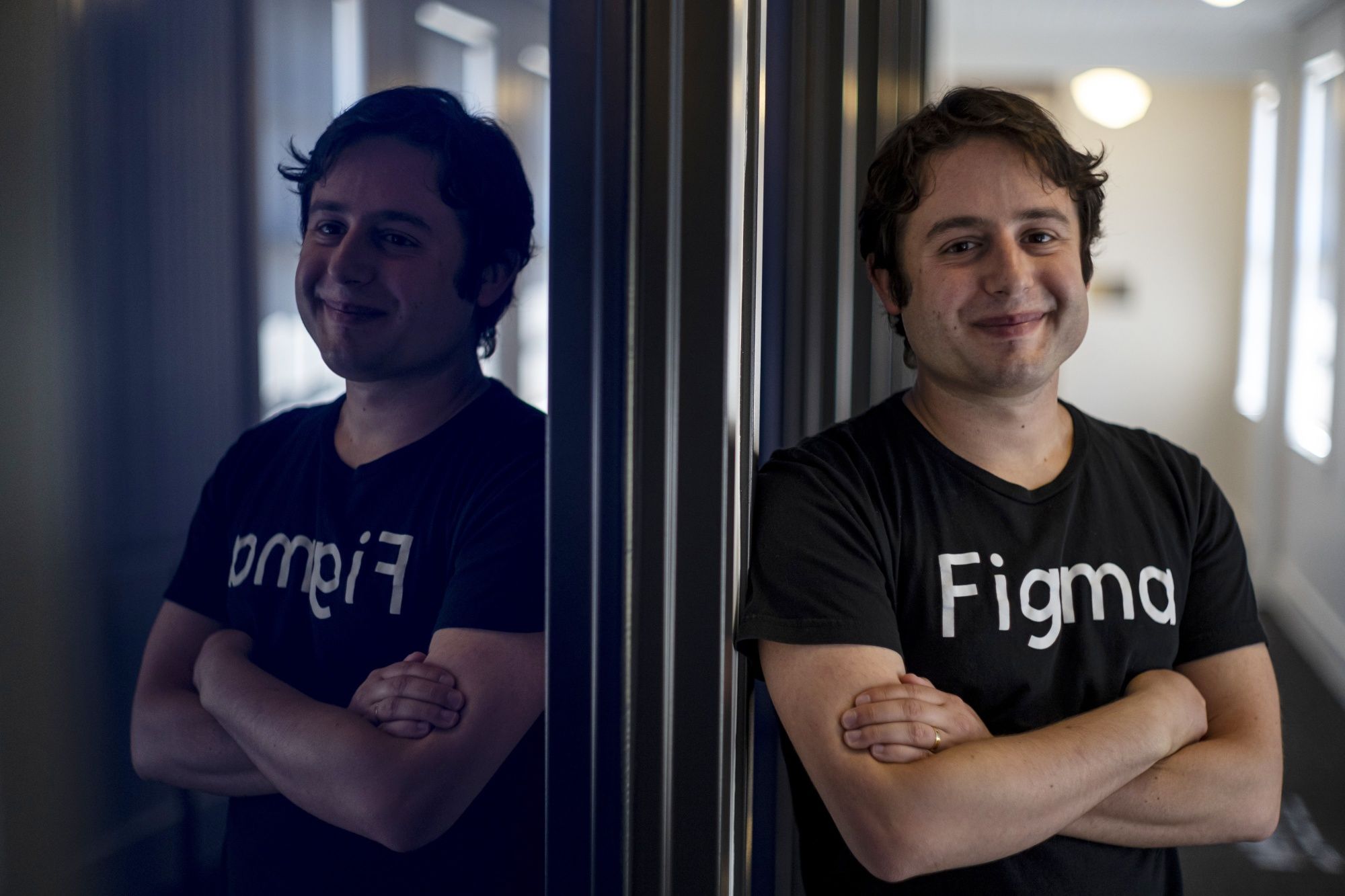
(Bloomberg) -- Dylan Field dropped out of an Ivy League school in 2012 to take a grant from the billionaire Peter Thiel and start a software company called Figma. A decade later, Field's stake in the company is now worth over $2 billion.
This week's sale of Figma to Adobe Inc. for $20 billion makes Field, 30, by far the wealthiest person to go through the Thiel Fellowship. The controversial program was designed by the PayPal co-founder to undermine the value of traditional education by encouraging young adults to leave college and start companies with $100,000 grants.
Field is a rare example of when a gamble like that pays off. His stake in Figma alone is worth more than $2 billion at the acquisition price, according to an analysis of PitchBook data by the Bloomberg Billionaires Index. Adobe is also issuing about 6 million restricted stock units to Field and his employees that will vest over four years, valued at about $1.8 billion at Adobe's current share price, which took a hit after Bloomberg first reported on the deal Thursday.
In an interview, Field showed little interest in reflecting on his financial gains from the transaction.
“First of all, it hasn't closed,” he said. “My focus has not been about money for a long time.”
Read more: Top VCs take home billions
Work on technology startups has occupied Field's entire adult life. He interned at the news aggregation app Flipboard, said Danny Rimer, a partner at Index Ventures who was a Flipboard director and recalled a presentation Field gave to the board.
Field briefly attended Brown University before taking the Thiel Fellowship. He started on Figma, which allows customers to collaborate on software as they build it, after winning his spot in the fellowship.
“Training yourself to use Photoshop is a long, arduous process,” Field said in a 2012 Thiel Fellowship pitch for the company that would become Figma. He then outlined a vision for “simple creative tools in the browser.”
The Thiel Fellowship has plenty of detractors. Though it has a few success stories — the Ethereum co-creator Vitalik Buterin and self-driving car entrepreneur Austin Russell even became fleeting billionaires themselves — there are others who failed to find success and struggled to get back on track. Larry Summers, the former Treasury Secretary and Harvard University president, in 2013 called the program “the single most misdirected bit of philanthropy in this decade.”
Jimmy Koppel, a founder of developer-training firm Mirdin, was in the same Thiel Fellowship year as Field. He remembered Field's startup being one of the most successful in fundraising during the first year, a sign he was on to something.
People who know Field often describe him with a platitude that, in this case, may actually be true: He's nice. While in the Thiel program, Field proposed that the organizers add criteria to the final round for fellowship candidates to assess whether they were nice enough to earn a spot, Koppel said. He recalled Field saying he'd be fine passing up the next Steve Jobs because it's more important to have people you want to spend time with.
Ilya Vakhutinsky, who was a fellow in the same class, said he hopes Field's kindness and positivity infect his new employer. It's an “awesome step for Adobe, but the design community is very skeptical,” said Vakhutinsky, who runs an in-home medical care provider called Careswitch.
Field remained friends with many of the fellowship alumni. Noor Siddiqui, a founder and chief executive officer of the health startup Orchid, said Field and his wife flew to Los Angeles to support her flash mob dance wedding proposal. “He's a man of many talents,” Siddiqui said.
One area where he diverged from the fellowship was in crypto: He wasn't into it at first, he has said. Field eventually came around. Last year, he sold a nonfungible token for 4,200 Ether, or $7.5 million, which at the time was a record price. His wife, Elena Nadolinski, is a founder and CEO of a web3 startup, Iron Fish. The two have a child together.
Figma thrived during the Covid-19 pandemic. Usage jumped as people sought new ways to collaborate outside of offices. The product is used by students and professionals to build video games, maps and presentations, along with software designers at companies including Airbnb Inc. and Google.
Carmel DeAmicis joined Figma as a writer when it had less than 20 employees. She said she turned down more stable job offers because of Field's warm energy. She remembers other startups had party-heavy cultures, but Figma's was family-oriented. She said Field's mom was often there for key moments. DeAmicis left Figma last year but still attended a company happy hour Thursday night after the deal became public.
Evan Wallace, who started Figma with Field, also left the company last year. Field will continue to lead the Figma team, reporting to David Wadhwani, the president of Adobe's digital media business. Figma will remain available as a standalone product.
“We're confident that if you look at this in the long run, it's going to be a big value for their shareholders and our shareholders as well,” Adobe CEO Shantanu Narayen said in an interview.
Figma has grown even as other tech companies shrink because, according to Field, customers understand that if they “don't do great work with design, they know they might lose. Adobe understands deeply what can be possible in this market.”
Field wasn't always so complimentary. Last year, when Figma seemed destined for an initial public offering, Field tweeted: “Our goal is to be Figma not Adobe.”
What changed? According to Mamoon Hamid, a partner at the venture capital firm Kleiner Perkins and a Figma board member: “The right company made an offer we couldn't refuse.”
More stories like this are available on bloomberg.com
©2022 Bloomberg L.P.

-
Talking Points This Week: Leadership Shock At Nvidia, Earnings Strength, And The Fog Over Hormuz

The Anthropic IPO pricing and first trading day, Nvidia's upcoming earnings, and any fresh signals from Iran will set the tone for the following week.
-
Signature Play: The Classic Cocktail Is Dead. Or Is It?
Classic cocktails are disappearing from India's cocktail menus. But they're still being ordered, taught to bartenders and borrowed from. So, who's really having the last drink?
-
A New Samvat Wishlist: Inclusive Prosperity And Human Development
India has strengthened its economic foundations through infrastructure, digital access and enterprise. Its next growth chapter must deepen productivity, create better livelihoods and widen participation in prosperity.
-
Love, Sex Aur Dhokha: The Audacious Plot To Spy On Jensen Huang
A Taipei dinner, a Singapore chip buyer and a suspected Chinese asset: inside the alleged spy operation that got close to NVIDIA's Jensen Huang.
-
Ten Things I Learnt This Samvat
Patience can be a trap. Cheap stocks can stay cheap. Leverage can wipe you out. What did Samvat 2082 teach us? Niraj Shah writes on 10 lessons from the year gone by.
-
Talking Points This Week: Tech Nerves, FII Buying, And A Faraway Banking Shock
The global markets are not shining this Diwali. The exception in the large markets is, India.
-
Midterm Rally Lasted A Day. The Hard Reality Of A Divided US May Last Two Years | Opinion
Between a contested AI boom, a debt ceiling that arrives in 2027 and a president with every incentive to act alone, the next two years may prove more volatile than the first day's rally suggests.
-
Blue Wave Will Derail the AI Trade but Won't Dismantle the AI Era | Unhedged Position
The Democrats' sweep of the US Congress will see politics collide with economic forces both over the long and short term.
-
It's Time To Take The GST Council's Bet On Trust Global
Payment records can prove India's services exports, and clear, proportionate rules can bring foreign digital sellers into the tax net.
-
Opinion | India at 38: From Innovation Overperformer to Innovation Powerhouse
India now has 453 VC-backed deep science startups, 18 of them late-stage, after 117 percent growth since 2020. Laurus Labs, at USD 9.3 billion, is the most valuable deep science company in any middle-income economy outside China.









