Citi Trader's Error Wiped Out $315 Billion From Europe Stocks In Minutes
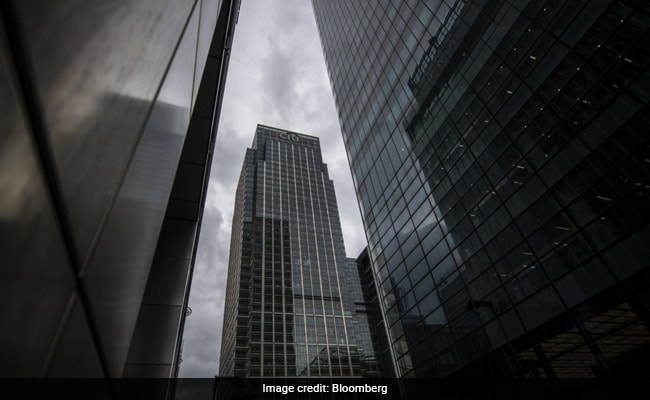
Citigroup Inc. said its London trading desk was behind a flash crash in Europe, which had sent shares across the continent tumbling after a sudden 8% decline in Swedish stocks.
“This morning one of our traders made an error when inputting a transaction,” the New York-based bank said late Monday in an emailed statement. “Within minutes, we identified the error and corrected it.”
Citigroup is in talks with regulators and exchanges about the incident, according to a person familiar with the matter who asked not to be named discussing non-public information.
A knee-jerk selloff in OMX Stockholm 30 Index in five minutes wreaked havoc in bourses stretching from Paris to Warsaw toppling the main European index by as much as 3% and wiping out 300 billion euros ($315 billion) at one point.

A spokesman for Nasdaq Stockholm had said the short-lived slump wasn't a technical glitch on its part. “Our first priority was to exclude technical issues in our systems, and our second priority was to exclude an external attack on our systems. We have now excluded both,” said David Augustsson, a spokesman for Nasdaq Stockholm.
“It is very clear to us that the cause of this move in the market is a very substantial transaction made by a market participant,” he said.
The OMX Stockholm 30 Index closed 1.9% lower, roughly in line with a drop in European markets. It had slumped as much as 8% in just five minutes before recovering most of the losses shortly after.
The error could potentially cause monetary and reputational damage to Citi as Nasdaq said it will not cancel any trades made on the Nordic markets.
Joakim Bornold, savings economist at Soderberg & Partners, said that equity markets can be very sensitive to erroneous trades despite safeguards.

-
Extracting Value From Battery Scrap Could Be Challenging For India | The Reason Why

A discarded lithium-ion battery still contains valuable materials such as lithium, nickel and cobalt. These can be recovered and reused. When such batteries are crushed and shredded, they produce a dark powder called black mass.
-
One El Nino, India Can Handle. Two Could Break The Granary
India's grain stocks can absorb one bad year, but a second El Nino could drain the buffer in two to three years, economists say.
-
India's Troika Of Good Luck | Joining The Dots
As Jensen Huang's exit drags Nvidia down, a cooling AI trade and resilient earnings have revived investor interest in India. A likely RBI rate hike looms.
-
Talking Points This Week: Leadership Shock At Nvidia, Earnings Strength, And The Fog Over Hormuz
The Anthropic IPO pricing and first trading day, Nvidia's upcoming earnings, and any fresh signals from Iran will set the tone for the following week.
-
Signature Play: The Classic Cocktail Is Dead. Or Is It?
Classic cocktails are disappearing from India's cocktail menus. But they're still being ordered, taught to bartenders and borrowed from. So, who's really having the last drink?
-
A New Samvat Wishlist: Inclusive Prosperity And Human Development
India has strengthened its economic foundations through infrastructure, digital access and enterprise. Its next growth chapter must deepen productivity, create better livelihoods and widen participation in prosperity.
-
Love, Sex Aur Dhokha: The Audacious Plot To Spy On Jensen Huang
A Taipei dinner, a Singapore chip buyer and a suspected Chinese asset: inside the alleged spy operation that got close to NVIDIA's Jensen Huang.
-
Ten Things I Learnt This Samvat
Patience can be a trap. Cheap stocks can stay cheap. Leverage can wipe you out. What did Samvat 2082 teach us? Niraj Shah writes on 10 lessons from the year gone by.
-
Talking Points This Week: Tech Nerves, FII Buying, And A Faraway Banking Shock
The global markets are not shining this Diwali. The exception in the large markets is, India.
-
Midterm Rally Lasted A Day. The Hard Reality Of A Divided US May Last Two Years | Opinion
Between a contested AI boom, a debt ceiling that arrives in 2027 and a president with every incentive to act alone, the next two years may prove more volatile than the first day's rally suggests.









