Chinese Firms Threatened With Delisting On Wall Street
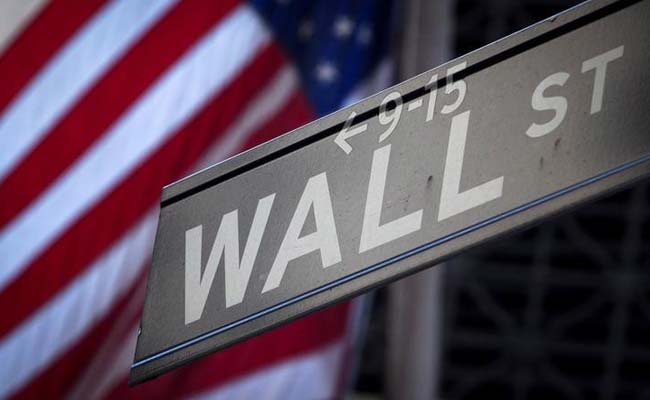
New York: Five Chinese companies have been ordered to comply with audit requirements by the US Securities and Exchange Commission (SEC) or face delisting from Wall Street.
The initial group of companies named on a list published by the SEC on Thursday, could soon be followed by all Chinese companies listed in New York, none of which are currently complying with US regulations in this area.
In total, some 248 companies are affected, with a market capitalization of about $2.1 trillion, according to an ad hoc committee.
The US Congress in 2020 passed a law specifically targeting Chinese companies under which the Public Company Accounting Oversight Board (PCAOB) must be able to inspect audits of foreign firms listed on US markets.
Mainland Chinese and Hong Kong companies are notorious for not submitting their financial statements to US-approved auditors.
The new law therefore puts them at risk of delisting, and its implementation comes at a time when Chinese authorities have expressed reservations in recent months about China-based companies listing in the US.
Failure to comply could result in delisting as of 2024.
The five companies named Thursday were the biotech companies BeiGene, Zai Lab and Hutchmed, as well as the semiconductor industry subcontractor ACM Research and the restaurant group Yum China.
Yum China, which controls KFC, Taco Bell and Pizza Hut and other eateries in China, surpasses the other companies by far in revenue and capitalization.
Born from the 2016 spin-off of the Chinese operations of US-based Yum Brands, Yum China has a market capitalization of $18.8 billion.
In early December, "China's Uber," Didi Chuxing, delisted under pressure from Chinese authorities, less than six months after its high-profile listing on the New York Stock Exchange.

-
Extracting Value From Battery Scrap Could Be Challenging For India | The Reason Why

A discarded lithium-ion battery still contains valuable materials such as lithium, nickel and cobalt. These can be recovered and reused. When such batteries are crushed and shredded, they produce a dark powder called black mass.
-
One El Nino, India Can Handle. Two Could Break The Granary
India's grain stocks can absorb one bad year, but a second El Nino could drain the buffer in two to three years, economists say.
-
India's Troika Of Good Luck | Joining The Dots
As Jensen Huang's exit drags Nvidia down, a cooling AI trade and resilient earnings have revived investor interest in India. A likely RBI rate hike looms.
-
Talking Points This Week: Leadership Shock At Nvidia, Earnings Strength, And The Fog Over Hormuz
The Anthropic IPO pricing and first trading day, Nvidia's upcoming earnings, and any fresh signals from Iran will set the tone for the following week.
-
Signature Play: The Classic Cocktail Is Dead. Or Is It?
Classic cocktails are disappearing from India's cocktail menus. But they're still being ordered, taught to bartenders and borrowed from. So, who's really having the last drink?
-
A New Samvat Wishlist: Inclusive Prosperity And Human Development
India has strengthened its economic foundations through infrastructure, digital access and enterprise. Its next growth chapter must deepen productivity, create better livelihoods and widen participation in prosperity.
-
Love, Sex Aur Dhokha: The Audacious Plot To Spy On Jensen Huang
A Taipei dinner, a Singapore chip buyer and a suspected Chinese asset: inside the alleged spy operation that got close to NVIDIA's Jensen Huang.
-
Ten Things I Learnt This Samvat
Patience can be a trap. Cheap stocks can stay cheap. Leverage can wipe you out. What did Samvat 2082 teach us? Niraj Shah writes on 10 lessons from the year gone by.
-
Talking Points This Week: Tech Nerves, FII Buying, And A Faraway Banking Shock
The global markets are not shining this Diwali. The exception in the large markets is, India.
-
Midterm Rally Lasted A Day. The Hard Reality Of A Divided US May Last Two Years | Opinion
Between a contested AI boom, a debt ceiling that arrives in 2027 and a president with every incentive to act alone, the next two years may prove more volatile than the first day's rally suggests.









