China’s Hydropower Surge Raises Aluminum Production To A Record
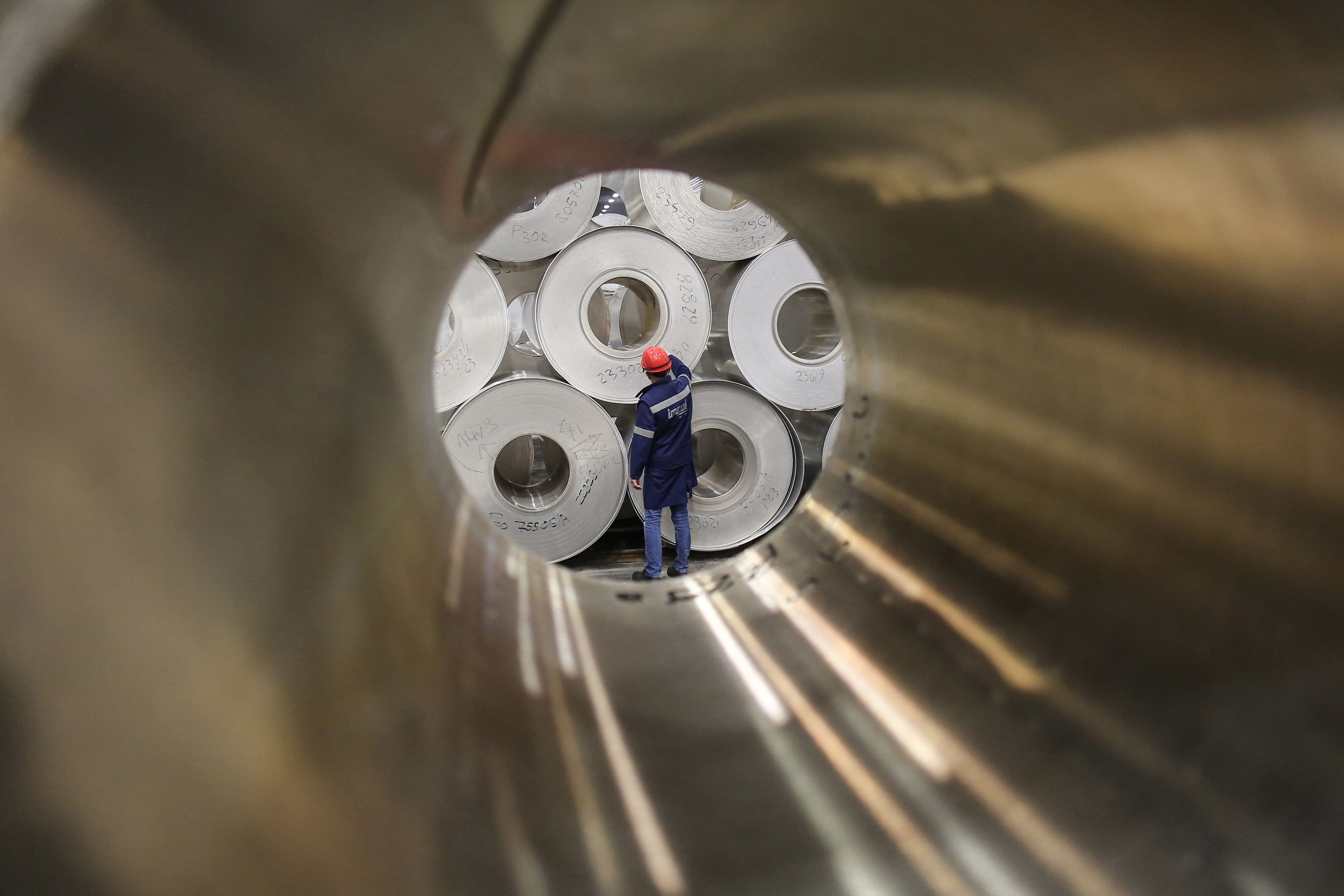
(Bloomberg) -- China's aluminum production hit a record last month as smelters brought back idled capacity, potentially setting up the market for further declines after prices hit a two-year high in May.
Heavy rains have improved hydropower reserves in Yunnan and allowed smelters to recommence operations after drought sapped their electricity supply in recent years. Another 330,000 tons of capacity is expected to resume in the southern province this month, according to Bloomberg Intelligence. BI expects prices of the lightweight metal to slip in June as demand has also softened in the wake of higher prices.
Aluminum output surged 7.2% year-on-year to 3.65 million tons, according to the statistics bureau on Monday, although the daily rate slipped from the shorter month of April.

Steel production rose 2.7% to 92.86 million tons after declining in recent months, although again the foundations are wobbly. Mills are relying on manufacturing and exports to replace the collapse in real estate demand. But margins are still underwater and the government has pledged once again to restrain production this year to meet its climate goals.
Among energy products, the impact of weak consumption was also evident in the oil processing sector. Refining fell 1.8% as more plants turned to seasonal maintenance to escape sluggish demand.
Both natural gas and crude oil output rose as Beijing continues to reduce its reliance on imports. But coal production slipped again, and is now tracking 3% below last year's record-setting pace over the first five months of the year.
Thermal power generation fell on an annual basis for the first time since September due to the surge in output from hydropower dams and solar farms. The drop in fossil fuel burning is another sign that China's emissions may have peaked after renewables installations jumped to record levels last year.
On the Wire
China's industrial expansion slowed in May and retail spending beat forecasts, a sign that deep imbalances in the economic recovery may be easing at least a little.
China's home prices fell at a faster pace in May, as the country's most forceful efforts to support the property market took time to revive demand. China's central bank left a key interest rate steady for the tenth straight month, displaying caution on monetary easing given abundant liquidity and pressure to prevent the yuan from weakening further.
Chinese Premier Li Qiang began the first visit to Australia by a senior leader since 2017, signaling improved ties between the two nations at a time of escalating security tensions in the Asia-Pacific region.
Visitors to the world's biggest showcase of solar power could be forgiven for not realizing just how dismal conditions are in China's flagship clean energy industry.
This Week's Diary
(All times Beijing unless noted.)
Monday, June 17:
- China sets monthly medium-term lending rate, 09:20
- China's home prices for May, 09:30
- China industrial output for May, including steel & aluminum; coal, gas & power generation; and crude oil & refining. 10:00
- Retail sales, fixed assets investment, property investment, residential sales, jobless rate
Tuesday, June 18:
- China's 2nd batch of May trade data, including agricultural imports; LNG & pipeline gas imports; oil products trade breakdown; alumina, copper and rare-earth product exports; bauxite, steel & aluminum product imports
Wednesday, June 19:
- China May output data for base metals and oil products
- CCTD's weekly online briefing on Chinese coal, 15:00
Thursday, June 20:
- China sets monthly loan prime rates, 09:15
- China's 3rd batch of May trade data, including country breakdowns for energy and commodities
Friday, June 21:
- China weekly iron ore port stockpiles
- Shanghai exchange weekly commodities inventory, ~15:30
--With assistance from Kathy Chen, Sarah Chen, Winnie Zhu and Dan Murtaugh.
More stories like this are available on bloomberg.com
©2024 Bloomberg L.P.

-
One El Nino, India Can Handle. Two Could Break The Granary

India's grain stocks can absorb one bad year, but a second El Nino could drain the buffer in two to three years, economists say.
-
India's Troika Of Good Luck | Joining The Dots
As Jensen Huang's exit drags Nvidia down, a cooling AI trade and resilient earnings have revived investor interest in India. A likely RBI rate hike looms.
-
Talking Points This Week: Leadership Shock At Nvidia, Earnings Strength, And The Fog Over Hormuz
The Anthropic IPO pricing and first trading day, Nvidia's upcoming earnings, and any fresh signals from Iran will set the tone for the following week.
-
Signature Play: The Classic Cocktail Is Dead. Or Is It?
Classic cocktails are disappearing from India's cocktail menus. But they're still being ordered, taught to bartenders and borrowed from. So, who's really having the last drink?
-
A New Samvat Wishlist: Inclusive Prosperity And Human Development
India has strengthened its economic foundations through infrastructure, digital access and enterprise. Its next growth chapter must deepen productivity, create better livelihoods and widen participation in prosperity.
-
Love, Sex Aur Dhokha: The Audacious Plot To Spy On Jensen Huang
A Taipei dinner, a Singapore chip buyer and a suspected Chinese asset: inside the alleged spy operation that got close to NVIDIA's Jensen Huang.
-
Ten Things I Learnt This Samvat
Patience can be a trap. Cheap stocks can stay cheap. Leverage can wipe you out. What did Samvat 2082 teach us? Niraj Shah writes on 10 lessons from the year gone by.
-
Talking Points This Week: Tech Nerves, FII Buying, And A Faraway Banking Shock
The global markets are not shining this Diwali. The exception in the large markets is, India.
-
Midterm Rally Lasted A Day. The Hard Reality Of A Divided US May Last Two Years | Opinion
Between a contested AI boom, a debt ceiling that arrives in 2027 and a president with every incentive to act alone, the next two years may prove more volatile than the first day's rally suggests.
-
Blue Wave Will Derail the AI Trade but Won't Dismantle the AI Era | Unhedged Position
The Democrats' sweep of the US Congress will see politics collide with economic forces both over the long and short term.









