Charting The Global Economy: US Jobs Data Eases Pressure On Fed

Fresh US jobs figures took pressure off the Federal Reserve to consider an interest-rate cut later this month, likely leaving the central bank on hold at least until the fall.
While employers added more jobs in June than forecast and the unemployment rate ticked lower, growth in private payrolls weakened.
Elsewhere, the manufacturing slowdown in Asia deepened. Survey data showed purchasing managers indexes for Taiwan, Indonesia and Vietnam firmly in contraction territory.
Here are some of the charts that appeared on Bloomberg this week on the latest developments in the global economy, markets and geopolitics:
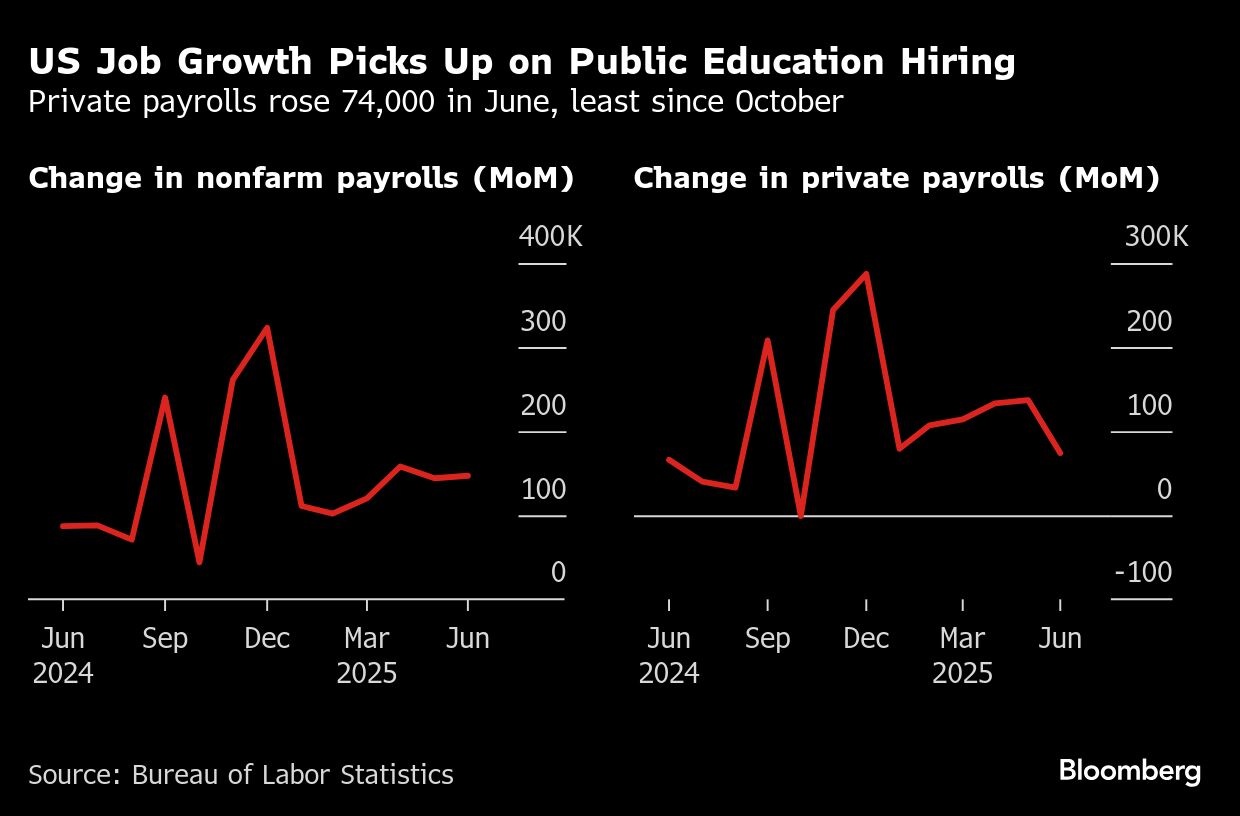
US job growth exceeded expectations in June as an unusual surge in public education employment masked a slowdown in hiring across the rest of the economy. Private payrolls rose the least since October, largely reflecting hiring in health care. The jobless rate declined to 4.1%, indicating employers remain reticent to lay off workers.
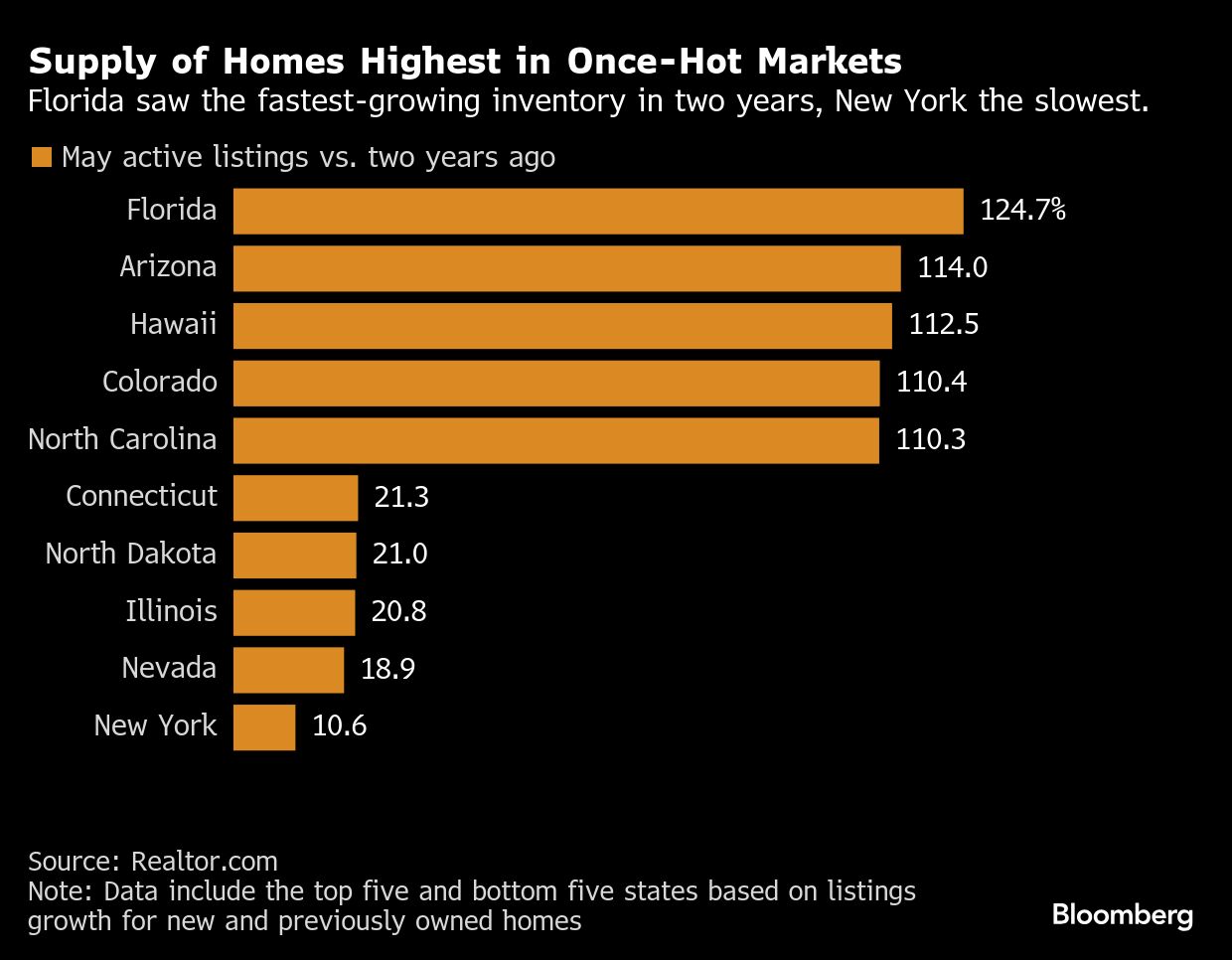
A buildup of unsold houses sitting on the market for weeks is becoming a new reality in once-booming housing areas across the Sun Belt. Real estate agents in the South and Southwest say they're seeing more people list homes, giving up on hopes that mortgage rates will drop anytime soon. In Florida, homeowners are fleeing soaring insurance costs, and in Colorado, investors are culling rental properties.
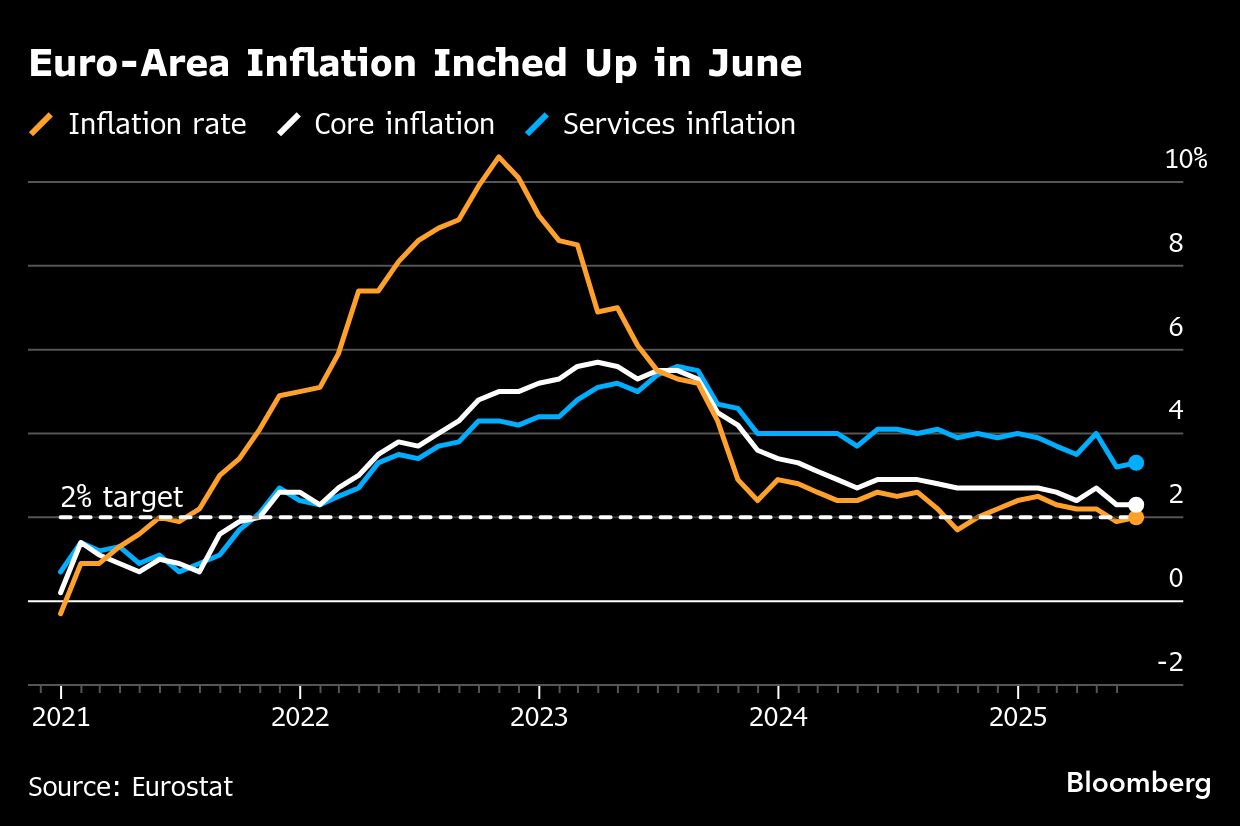
Euro-area inflation settled at the European Central Bank's target in June, strengthening arguments to press pause on a year-long campaign of interest-rate cuts. A stronger euro and lower energy costs are helping keep price pressures in check — as is lackluster expansion by the region's 20-nation economy.
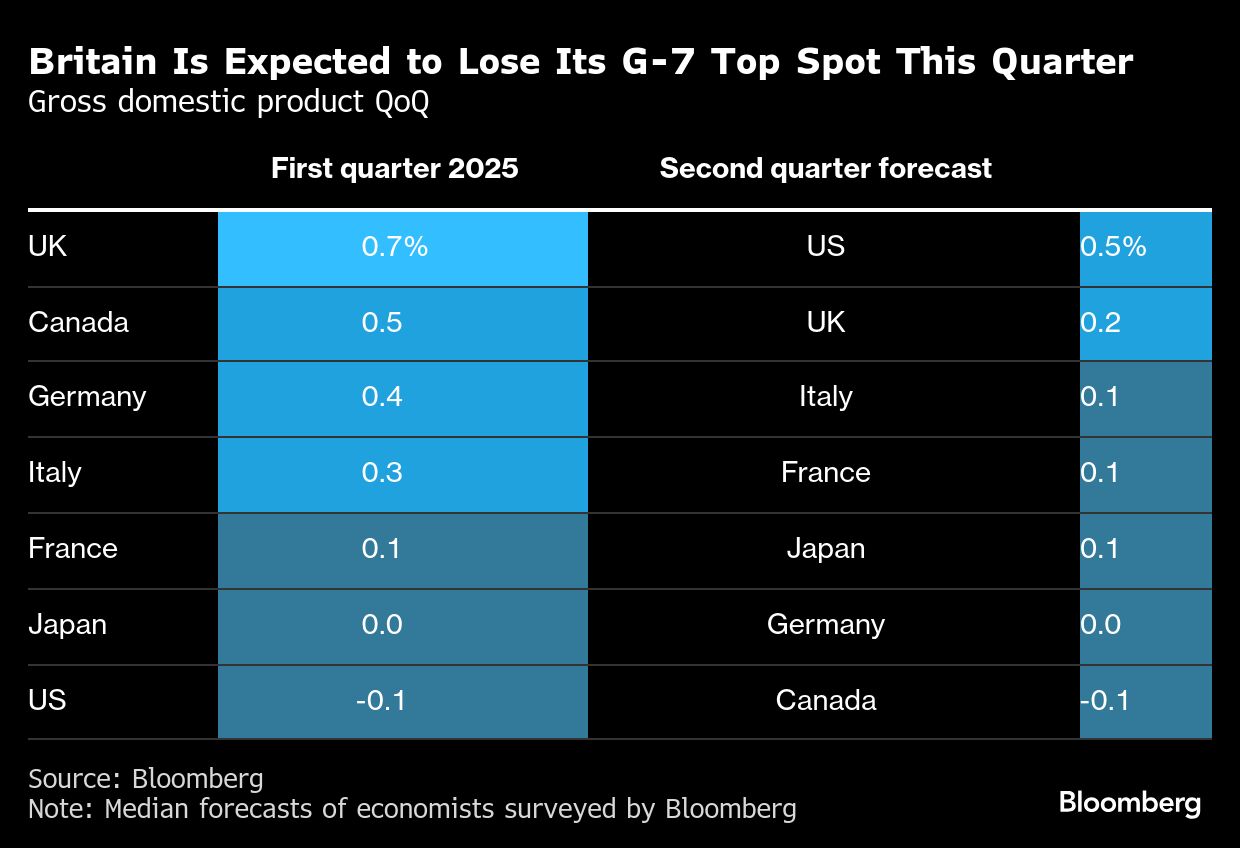
The UK economy grew in the first quarter by the most in a year as Britons spent more and saved less before the Labour government's tax hikes and extra US tariffs came into effect. The outlook has darkened since the start of April amid a sharp drop in employment, weak retail sales and plunging exports to the US.
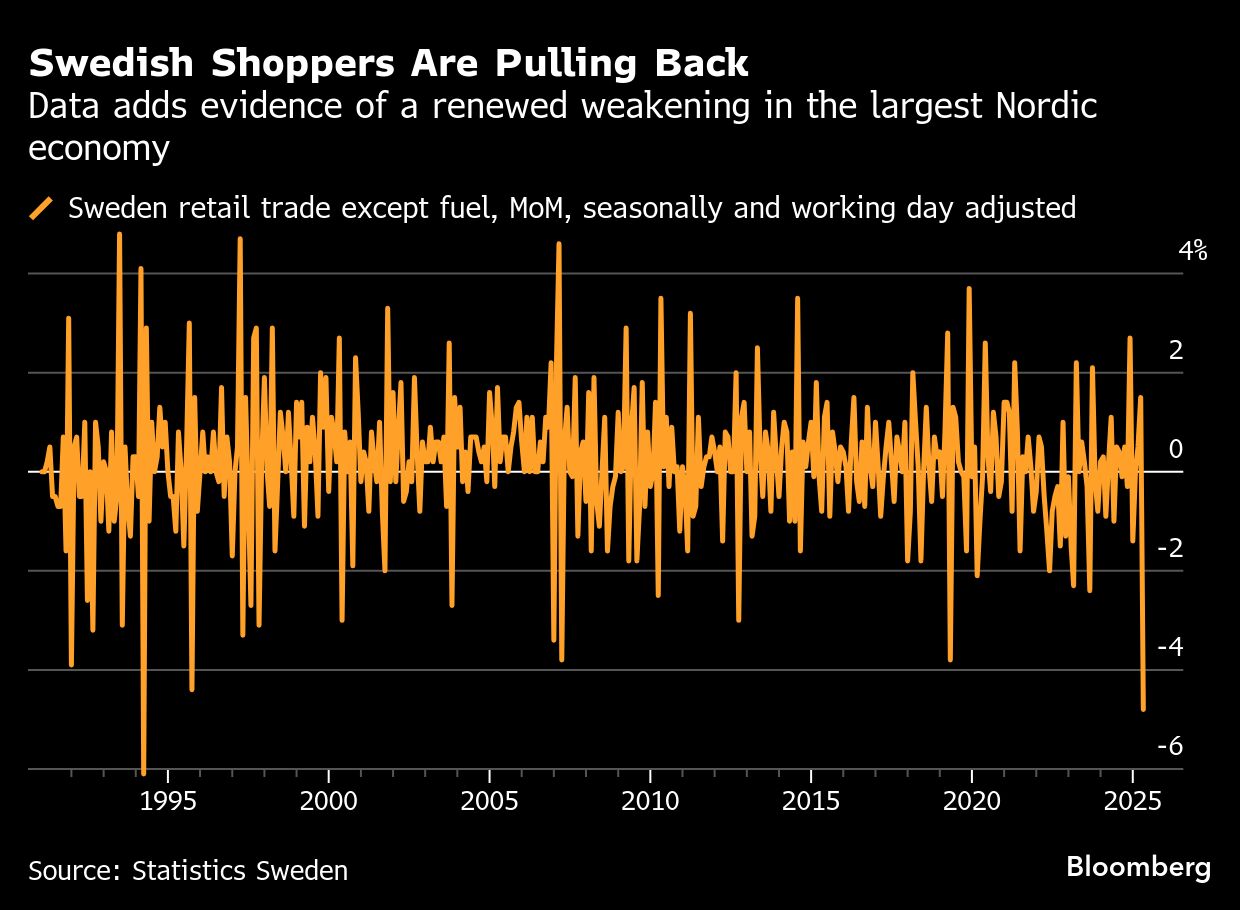
Swedish retail sales fell the most in more than three decades in May, continuing a run of disappointing data and increasing pressure on the country's central bank to lower rates again. The slump compounds the recent below-forecasts data readings for Sweden including a surprise contraction in first-quarter economic output and a rise in the unemployment rate to 9% in May.
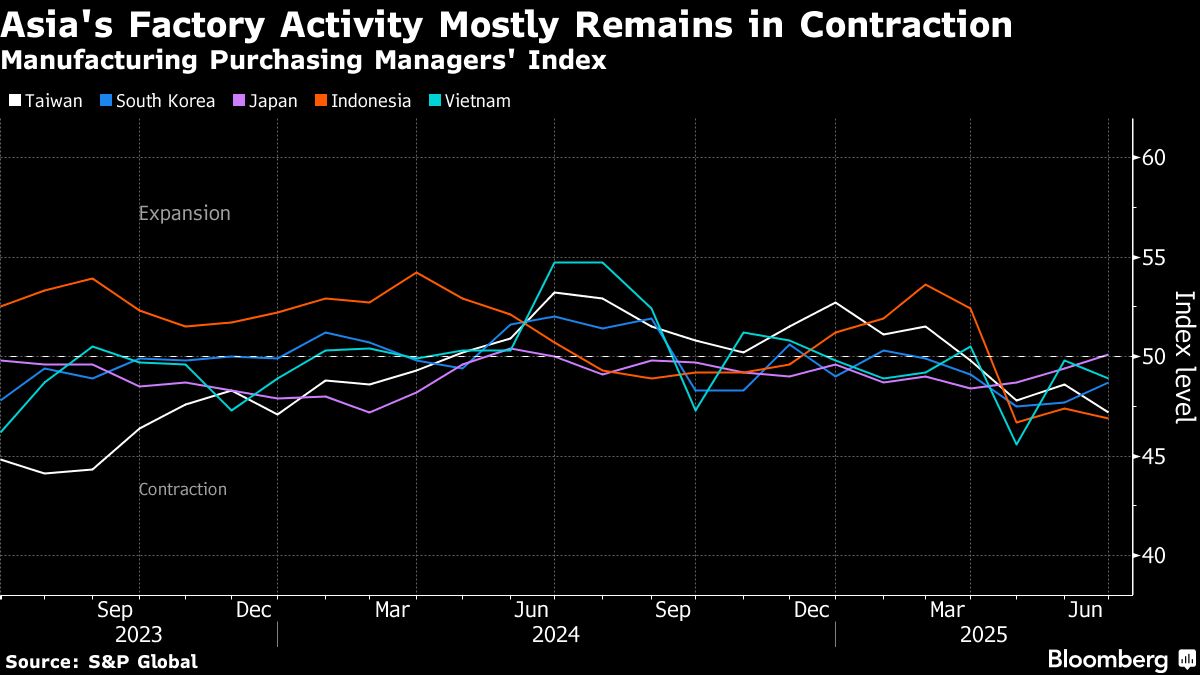
The slowdown in Asia's manufacturing activity deepened further in June, a warning sign for the region's growth prospects as tariffs on shipments to the US are poised to increase next week. Export-reliant economies including Taiwan and Vietnam saw their purchasing managers indexes deteriorate further, with factories reporting a continued decline in new orders, output and staffing as the trade war saps demand.
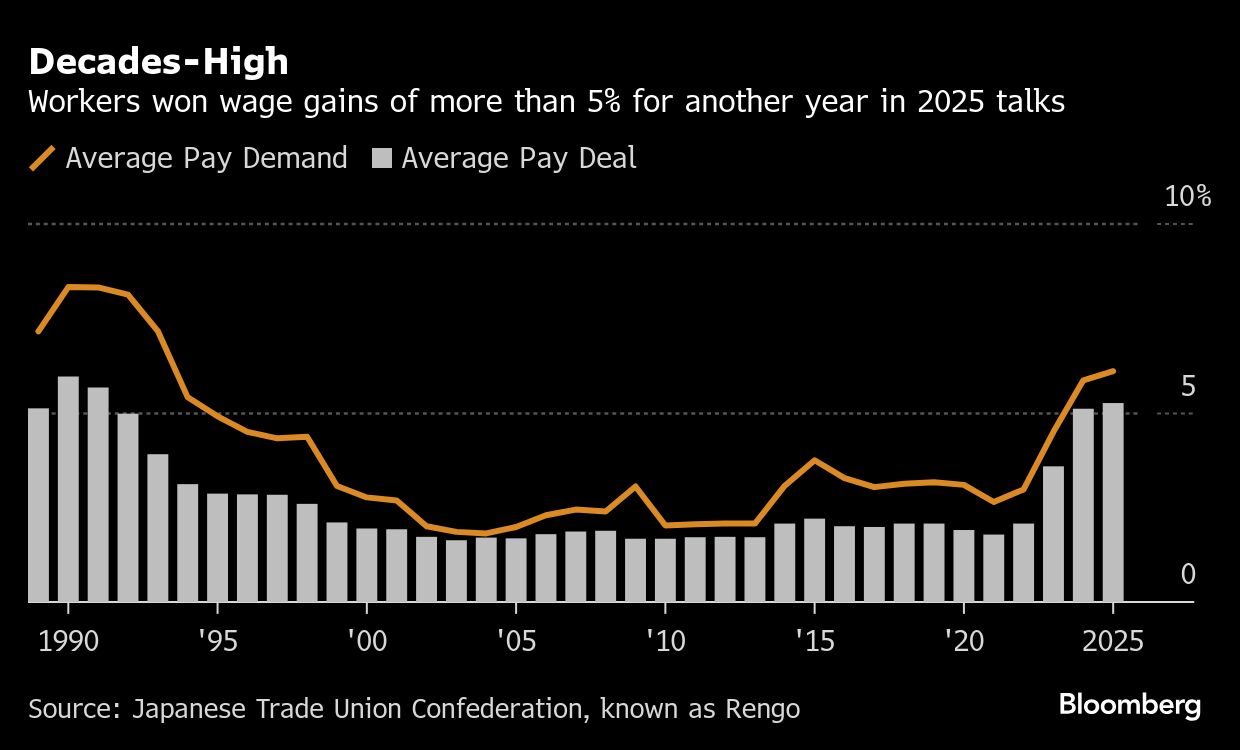
Japan's annual wage negotiations concluded with the largest pay increase in 34 years, an outcome that supports the central bank's view that a cycle of higher wages and prices is emerging. Workers at 5,162 companies affiliated with the nation's largest union federation Rengo secured an average wage increase of 5.25%, according to the final update of pay deals announced by the union group
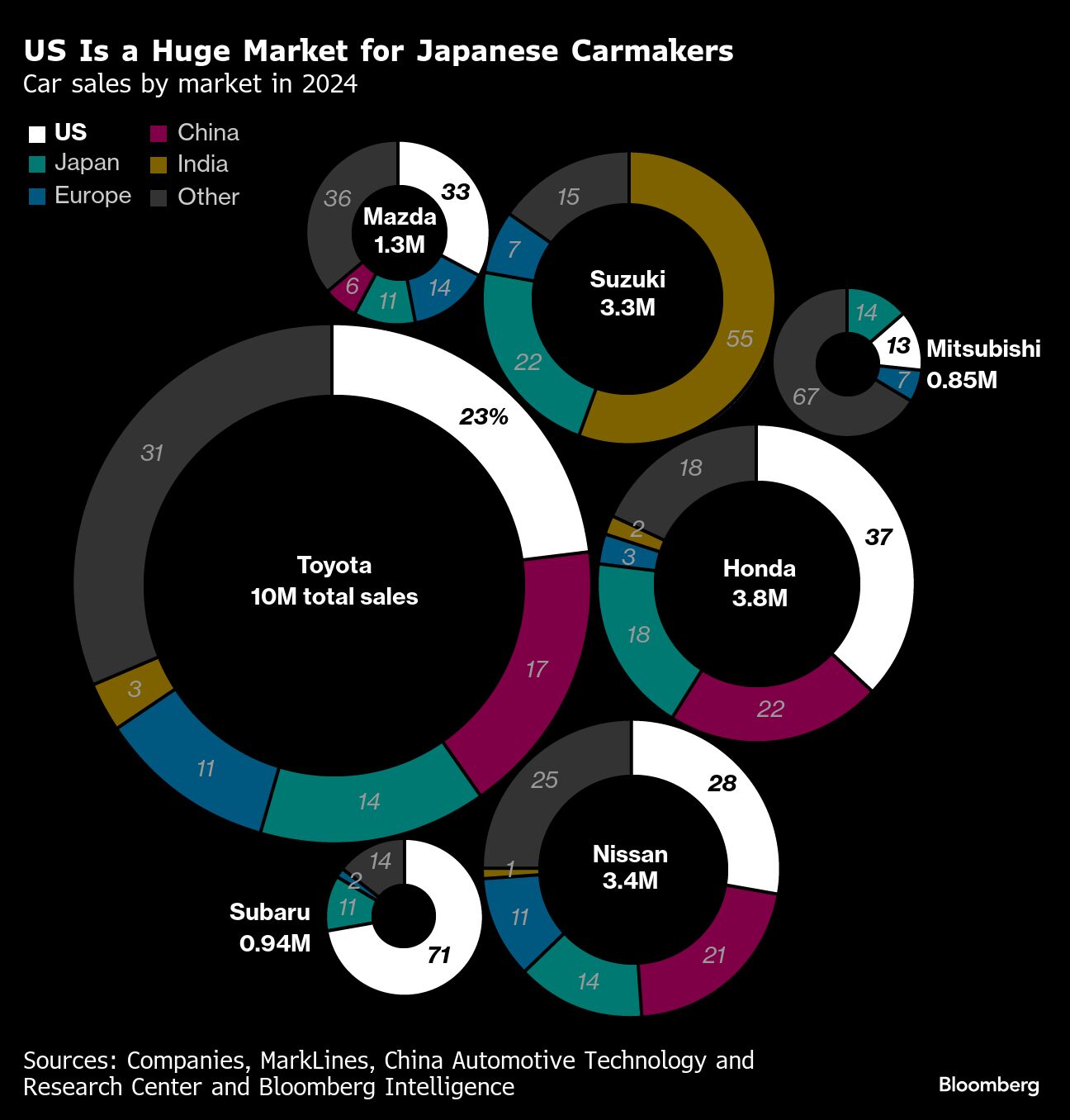
US President Donald Trump floated the idea of keeping 25% tariffs on Japan's cars as talks between the two nations continued just before a slew of higher duties are set to kick in if a trade deal isn't reached.

Cargo thefts in Mexico topped 24,000 in 2024, up about 16%, data from transportation risk consultancy Overhaul show. That trails the US and Europe in total incidents. But in loss-ratio terms, which compare the number of thefts to economic activity, Mexico is the worst in the world.
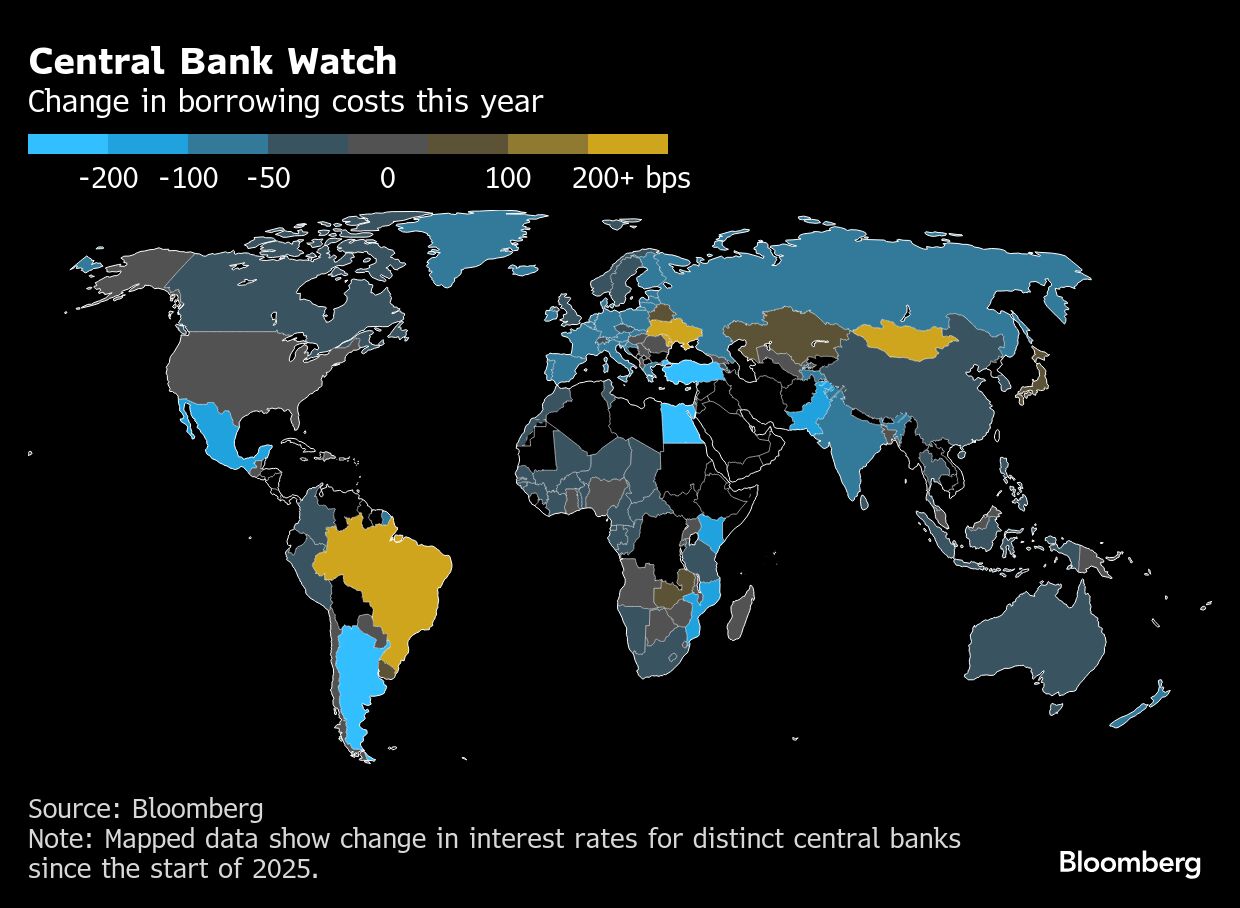
Poland's central bank unexpectedly cut interest rates after a one-month pause and said inflation is likely to ease within its target in the coming months. A day after the Wednesday move, central bank Governor Adam Glapinski said the recduction was not the beginning of a cycle of monetary easing, even as he held out for another potential move in September. Tanzania also cut, while Ethiopia and the Bank of Central African States kept borrowing costs on hold.

-
We May Need Another Tukaram Mundhe To Fight Air Pollution | The Reason Why

Developers may install basic measures such as sprinklers and green nets, resume work, and continue violating rules when this equipment stops working.
-
Extracting Value From Battery Scrap Could Be Challenging For India | The Reason Why
A discarded lithium-ion battery still contains valuable materials such as lithium, nickel and cobalt. These can be recovered and reused. When such batteries are crushed and shredded, they produce a dark powder called black mass.
-
One El Nino, India Can Handle. Two Could Break The Granary
India's grain stocks can absorb one bad year, but a second El Nino could drain the buffer in two to three years, economists say.
-
India's Troika Of Good Luck | Joining The Dots
As Jensen Huang's exit drags Nvidia down, a cooling AI trade and resilient earnings have revived investor interest in India. A likely RBI rate hike looms.
-
Talking Points This Week: Leadership Shock At Nvidia, Earnings Strength, And The Fog Over Hormuz
The Anthropic IPO pricing and first trading day, Nvidia's upcoming earnings, and any fresh signals from Iran will set the tone for the following week.
-
Signature Play: The Classic Cocktail Is Dead. Or Is It?
Classic cocktails are disappearing from India's cocktail menus. But they're still being ordered, taught to bartenders and borrowed from. So, who's really having the last drink?
-
A New Samvat Wishlist: Inclusive Prosperity And Human Development
India has strengthened its economic foundations through infrastructure, digital access and enterprise. Its next growth chapter must deepen productivity, create better livelihoods and widen participation in prosperity.
-
Love, Sex Aur Dhokha: The Audacious Plot To Spy On Jensen Huang
A Taipei dinner, a Singapore chip buyer and a suspected Chinese asset: inside the alleged spy operation that got close to NVIDIA's Jensen Huang.
-
Ten Things I Learnt This Samvat
Patience can be a trap. Cheap stocks can stay cheap. Leverage can wipe you out. What did Samvat 2082 teach us? Niraj Shah writes on 10 lessons from the year gone by.
-
Talking Points This Week: Tech Nerves, FII Buying, And A Faraway Banking Shock
The global markets are not shining this Diwali. The exception in the large markets is, India.









