Central Banks Should Not Mandate 'Green' Investments: Raghuram Rajan
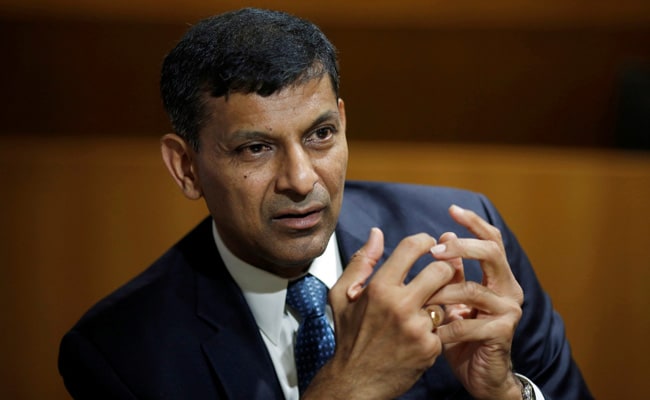
The onus of promoting sustainable investments should lie with governments and not central banks, which already have significant other policy commitments, said Raghuram Rajan, former Reserve Bank of India governor.
Central banks should steer clear of politically-driven unlegislated areas such as "green" investments, as their mandates of providing financial and monetary stability are already quite wide, Mr Rajan told the Reuters Global Markets Forum on Wednesday.
"Asking the central bank to say you should buy only green bonds, not brown bonds, etc., is asking the central bank to impose its own views on something which is primarily a fiscal matter," he said.
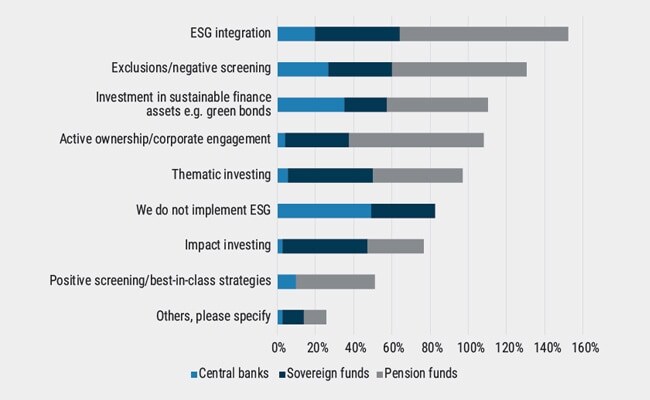
Mr Rajan, who earlier served as chief economist for the International Monetary Fund, said central banks should instead turn their focus to the financial stability of these green investments and other threats such as crypto currencies and cyber security.
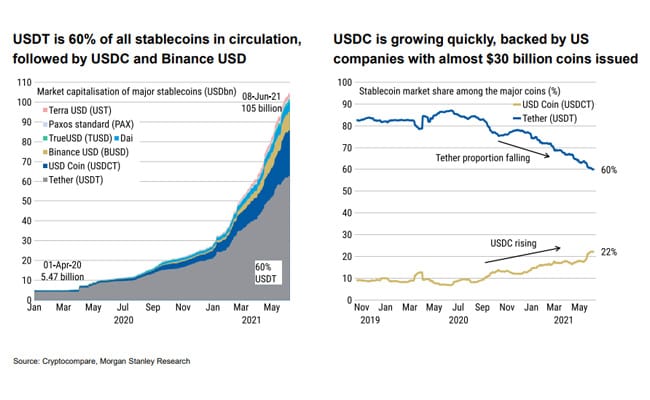
Crypto currencies have a "potential future," particularly well-regulated stablecoins, Mr Rajan said, but it wasn't clear what fundamentals were backing their valuations other than a "heady environment," with easy monetary policy fuelling all asset prices.
Cryptos won't be "your last resort" in a doomsday scenario, he said. "I would be much more confident about the value of these cryptos once they find proper use cases," such as an effective means of payment, especially in cross-border transactions.
On Track
Mr Rajan, who is professor of finance at the University of Chicago Booth School of Business, did not expect markets to react in a 2013-style "taper tantrum" as the US Federal Reserve unveils its plan to withdraw stimulus, which he said was unlikely to happen at Jackson Hole on Friday.
"Ideally, the Fed would like to observe as long as possible, (and) ... make sure that the economy is well on track towards growth, he said. "Of course, the problem is the Delta variant, plus whatever variants are lurking in the background."
He expected inflationary pressures in the United States to be transitory, but said prices may remain elevated for longer than expected due to strong wages, unavailability of workers, and additional fiscal stimulus measures.
"Firms are feeling confident enough to pass through price increase ... they don't do that until they think that these higher prices are to stay," Mr Rajan said.
Referring to India, Mr Rajan said inflation there could rise in the short term as pent-up demand takes hold, resulting in supply-side bottlenecks, but demand will fall over the medium-term due to stressed households and economic scarring from the pandemic.
Central banks in many emerging countries are being proactive and raising interest rates, Mr Rajan said.
"Now, obviously, the RBI (Reserve Bank of India) is watching the data and it will make the decision when it when it has to make it."

-
Indians Are Travelling, But Not Every Journey Is A Holiday | The Week In Whys

Pilgrims, patients and working women are the real travellers, and the system hasn't quite caught up with them.
-
Getting To Work Costs Women More | The Reason Why
It is not just about women paying more than men. It is about women paying much more in cities than in villages.
-
AI Bias In Investing Cannot Be Eliminated, But It Can Be Governed
Framing is a particularly important example as identical financial information presented in terms of gains rather than losses can lead an LLM to reach a different assessment.
-
Joining The Dots | Dark Skies, Steady Diya: Why Hope Holds This Diwali
With war, a weak rupee and foreign outflows weighing on sentiment, policymakers at the NDTV World Summit and market veterans at NDTV Profit Ignite: Diwali Edition offered the same advice: stay invested and filter out the noise.
-
The Curious Case of Equitas Small Finance Bank And A CEO Who Quit For Stock
PN Vasudevan believes persistent investor concerns over a perceived conflict of interest had become a governance overhang on Equitas Small Finance Bank's stock, even as the lender improved profitability and asset quality.
-
Talking Points This Week: AI Cash Burn, A Tiger Comeback And An India That Still Finds Its Own Path
India is not immune to higher oil or tighter global liquidity, yet its earnings base is broader, its domestic policy levers are still available.
-
Foreign Investors Own Half Of HDFC Bank and ICICI Bank. An LTCG Cut Could Matter Most Here
Foreign portfolio investors have US$115 billion parked in HDFC Bank, ICICI Bank. If the government cuts long-term capital gains tax, Jefferies says returning foreign money could land here first.
-
'Never Seen This Level Of Negativity': Sandeep Tandon Says The Next Rally May Be Closer Than You Think
Veteran investor Sandeep Tandon says foreign selling is easing, large-caps are due a comeback and mid-caps are crowded, while he turns positive on gold, power and pharma this Diwali.
-
Indians Stay With Family, Not In Hotels | The Reason Why
India still lacks enough clean, reliable and affordable hotels for budget-conscious travellers.
-
The Economic Imperative: Analysing The Material Driving Force Behind India-Canada Strategic Reset
This economic complementarity is further reinforced by deep institutional investment ties and talent mobility, which form the bedrock of the bilateral framework.










