Amarinder-Prashant Kishor ‘Jodi’ Ensured Congress’ Punjab Comeback
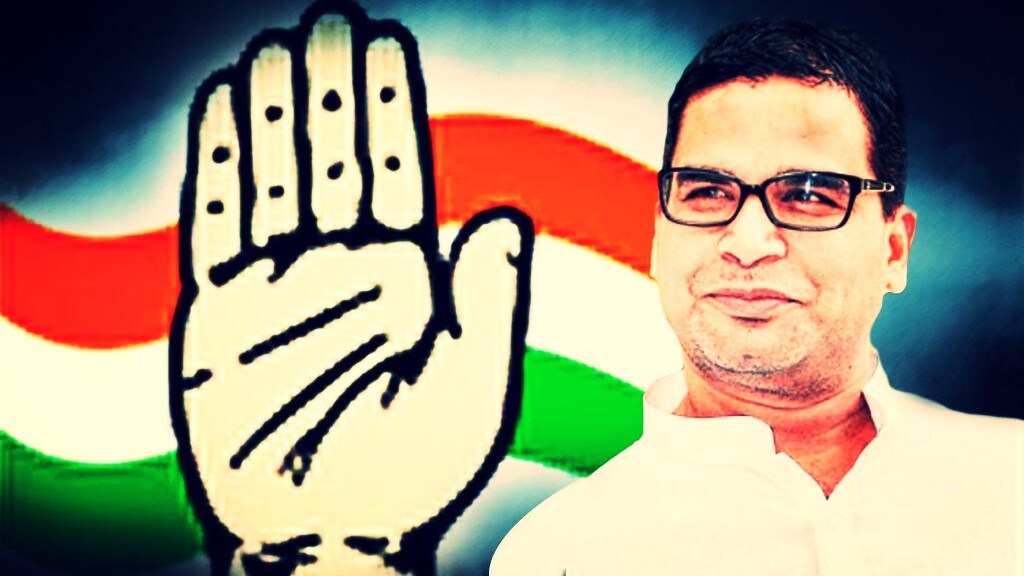
Punjab Congress chief Capt Amarinder Singh, who led his party to victory in the Assembly election and the well-known political strategist Prashant Kishor were waiting for a hat-trick. Only one of them could have achieved it and both were keen that Kishor and his organisation, the Indian Political Action Committee (I-PAC) does it.
Amarinder had lost two consecutive Assembly elections for the Congress and another defeat would have marked the end of his political career. He was the one who had sought Prashant Kishor's help in strategising for the party's campaign in Punjab.
Prashant Kishor's Plan of Action
Prashant, who is credited with the victory of Narendra Modi in 2014, followed by Nitish Kumar in Bihar a year later, was looking for a similar feat in Punjab and thus, his hat-trick of successes. And he did it with aplomb.
The reaction of his team members shortly after the polling got over on 4 February was an indication of the things to come. His team distributed sweets among themselves and cut a cake to mark the occasion and predicted that the Congress would win at least 64 seats. The party has won 77 seats in the 117-seat assembly.
Prashant and his team had got on with the job about a year ago. The team members evaluated each constituency and shortlisted best suited candidates. Prashant used to hold discussions with party leaders and constantly shared his inputs with Amarinder.
He put in place a plan of action for the election campaign for the Punjab Congress and initiated programmes like Coffee with Captain and Punjab Da Kaptan to drum up support for the party. He organised interactions of college students with Amarinder Singh and appointed local 'kaptans' to continue the campaign.
Minor Irritants Between Amarinder and Kishor
Although Prashant rarely interacted with the media, he and his team kept a close watch on what was being reported. Amarinder was so happy with his strategy that he suggested party Vice President Rahul Gandhi to rope him in for the party's campaign in Uttar Pradesh. Although he prepared the initial strategy for the party, but backed out after the Congress joined hands with the Samajwadi Party and chose to be its junior partner.
There were some minor irritants between the two, but they got along well. Prashant, for instance, was not keen on Amarinder travelling abroad for a long duration to drum up support of the NRIs.
Prashant felt that the support from the NRIs was grossly hyped and that Punjab Congress chief would be 'wasting' precious time abroad. Amarinder went ahead but cut short his visit.
Another irritant was the insistence of Prashant Kishor on a jumbo executive committee of the party. It is believed that he insisted on accommodating various factions. As a result, the office bearers included a record 36 vice presidents and 96 general secretaries in the 266-member state executive of the party.
Thaw in Ties
There were times when Prashant exceeded his brief and met a couple of dissidents and sidestepped Amarinder. This was resented by Amarinder, but ultimately the two buried the hatchet after Prashant was told to keep away from "organisational matters" of the party. Owing to these pulls-and-pressures from within the party, some candidates recommended by Prashant and his team were denied tickets.
Prashant has not reacted yet, but an unverified Twitter handle with his organisation's name @IndianPAC has tweeted : "To all AAP volunteers and grassroots workers, you were one of the toughest competitors we faced! @ArvindKejriwal @AAPPunjab2017". The handle does have a picture of Amarinder taken inside "the war room" in December last year.
(The writer is a senior journalist based in Chandigarh. He can be reached @vipinpubby. The views expressed above are the author's own. The Quint neither endorses nor is responsible for the same.)
Also Read: Congress Sets Record For Biggest Poll Win In Punjab In 25 Years

-
Getting To Work Costs Women More | The Reason Why

It is not just about women paying more than men. It is about women paying much more in cities than in villages.
-
AI Bias In Investing Cannot Be Eliminated, But It Can Be Governed
Framing is a particularly important example as identical financial information presented in terms of gains rather than losses can lead an LLM to reach a different assessment.
-
Joining The Dots | Dark Skies, Steady Diya: Why Hope Holds This Diwali
With war, a weak rupee and foreign outflows weighing on sentiment, policymakers at the NDTV World Summit and market veterans at NDTV Profit Ignite: Diwali Edition offered the same advice: stay invested and filter out the noise.
-
The Curious Case of Equitas Small Finance Bank And A CEO Who Quit For Stock
PN Vasudevan believes persistent investor concerns over a perceived conflict of interest had become a governance overhang on Equitas Small Finance Bank's stock, even as the lender improved profitability and asset quality.
-
Talking Points This Week: AI Cash Burn, A Tiger Comeback And An India That Still Finds Its Own Path
India is not immune to higher oil or tighter global liquidity, yet its earnings base is broader, its domestic policy levers are still available.
-
Foreign Investors Own Half Of HDFC Bank and ICICI Bank. An LTCG Cut Could Matter Most Here
Foreign portfolio investors have US$115 billion parked in HDFC Bank, ICICI Bank. If the government cuts long-term capital gains tax, Jefferies says returning foreign money could land here first.
-
'Never Seen This Level Of Negativity': Sandeep Tandon Says The Next Rally May Be Closer Than You Think
Veteran investor Sandeep Tandon says foreign selling is easing, large-caps are due a comeback and mid-caps are crowded, while he turns positive on gold, power and pharma this Diwali.
-
Indians Stay With Family, Not In Hotels | The Reason Why
India still lacks enough clean, reliable and affordable hotels for budget-conscious travellers.
-
The Economic Imperative: Analysing The Material Driving Force Behind India-Canada Strategic Reset
This economic complementarity is further reinforced by deep institutional investment ties and talent mobility, which form the bedrock of the bilateral framework.
-
Medicine Pricing: Where Must Profit Stop?
India must confront excessive margins, hidden incentives and regulatory gaps that threaten the integrity of medicine.










