Cabinet Clears Bailout Plan For Crisis-Hit Yes Bank: 10 Things To Know
- The lender is also in talks with other prospective investors, the Finance Minister said. They would need to maintain at least 75 per cent of their investments for a minimum of three years, Ms Sitharaman added.
- There will be a three-year lock-in period for all the investors, she said. However, the lock-in period for SBI would be only for 26 per cent of the shareholding.
- As part of the RBI-backed rescue plan for the troubled private sector lender, State Bank of India (SBI) will acquire up to 49 per cent stake in Yes Bank, and will be required to maintain a minimum holding of 26 per cent in Yes Bank for three years. All the existing Yes Bank's employees will be retained as part of the deal.
- "The notification (on the reconstruction scheme) shall come out and the moratorium shall cease on the third working day from the date of the notification, at 1800 hours," the Finance Minister said, while speaking to reporters about the current cap on withdrawals from Yes Bank accounts.
- She also said the administrator's office will be vacated after seven calendar days following the lifting of moratorium, and a new board will be constituted. The RBI has placed Yes Bank's board under an administrator, Prashant Kumar, who is a former deputy managing director and CFO of SBI.
- In a separate development, ICICI Bank's board approved investment of Rs 1,000 crore in Yes Bank through equity. ICICI Bank said it will buy 100 crore equity shares of Yes Bank at Rs 10 per share.
- State Bank of India, the country's largest lender by assets, had the previous day approved a plan to purchase 725 crore Yes Bank shares at a price of Rs 10 apiece.
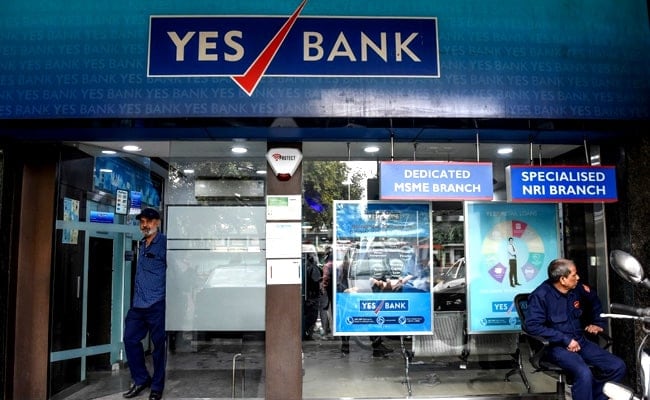
- The government placed Yes Bank - the country's fifth-largest private sector lender - under a moratorium last week following a serious deterioration in the bank's financial position.
- Yes Bank's founder and former managing director, Rana Kapoor, is in police custody until March 11 after he was arrested on money-laundering charges.
- Struggling under a growing pile of bad debt, Yes Bank had been trying to raise the required capital to stay above regulatory requirements. Initially, Yes Bank wanted to raise $2 billion, which was later brought down to $1.2 billion as it could not rope in any investor. In February, the bank delayed the release of its financial results for the October-December period.

-
AI Bias In Investing Cannot Be Eliminated, But It Can Be Governed

Framing is a particularly important example as identical financial information presented in terms of gains rather than losses can lead an LLM to reach a different assessment.
-
Joining The Dots | Dark Skies, Steady Diya: Why Hope Holds This Diwali
With war, a weak rupee and foreign outflows weighing on sentiment, policymakers at the NDTV World Summit and market veterans at NDTV Profit Ignite: Diwali Edition offered the same advice: stay invested and filter out the noise.
-
The Curious Case of Equitas Small Finance Bank And A CEO Who Quit For Stock
PN Vasudevan believes persistent investor concerns over a perceived conflict of interest had become a governance overhang on Equitas Small Finance Bank's stock, even as the lender improved profitability and asset quality.
-
Talking Points This Week: AI Cash Burn, A Tiger Comeback And An India That Still Finds Its Own Path
India is not immune to higher oil or tighter global liquidity, yet its earnings base is broader, its domestic policy levers are still available.
-
Foreign Investors Own Half Of HDFC Bank and ICICI Bank. An LTCG Cut Could Matter Most Here
Foreign portfolio investors have US$115 billion parked in HDFC Bank, ICICI Bank. If the government cuts long-term capital gains tax, Jefferies says returning foreign money could land here first.
-
'Never Seen This Level Of Negativity': Sandeep Tandon Says The Next Rally May Be Closer Than You Think
Veteran investor Sandeep Tandon says foreign selling is easing, large-caps are due a comeback and mid-caps are crowded, while he turns positive on gold, power and pharma this Diwali.
-
Indians Stay With Family, Not In Hotels | The Reason Why
India still lacks enough clean, reliable and affordable hotels for budget-conscious travellers.
-
The Economic Imperative: Analysing The Material Driving Force Behind India-Canada Strategic Reset
This economic complementarity is further reinforced by deep institutional investment ties and talent mobility, which form the bedrock of the bilateral framework.
-
Medicine Pricing: Where Must Profit Stop?
India must confront excessive margins, hidden incentives and regulatory gaps that threaten the integrity of medicine.
-
Why Amazon And Flipkart Are Struggling To Beat Meesho In India's Smaller Cities
With 274 million users and lowest-cost logistics, Meesho is defending its value commerce crown against giants like Amazon and Flipkart.










