Budget 2023: Inflation Is Not Easing Fast Enough To Boost Rural Demand
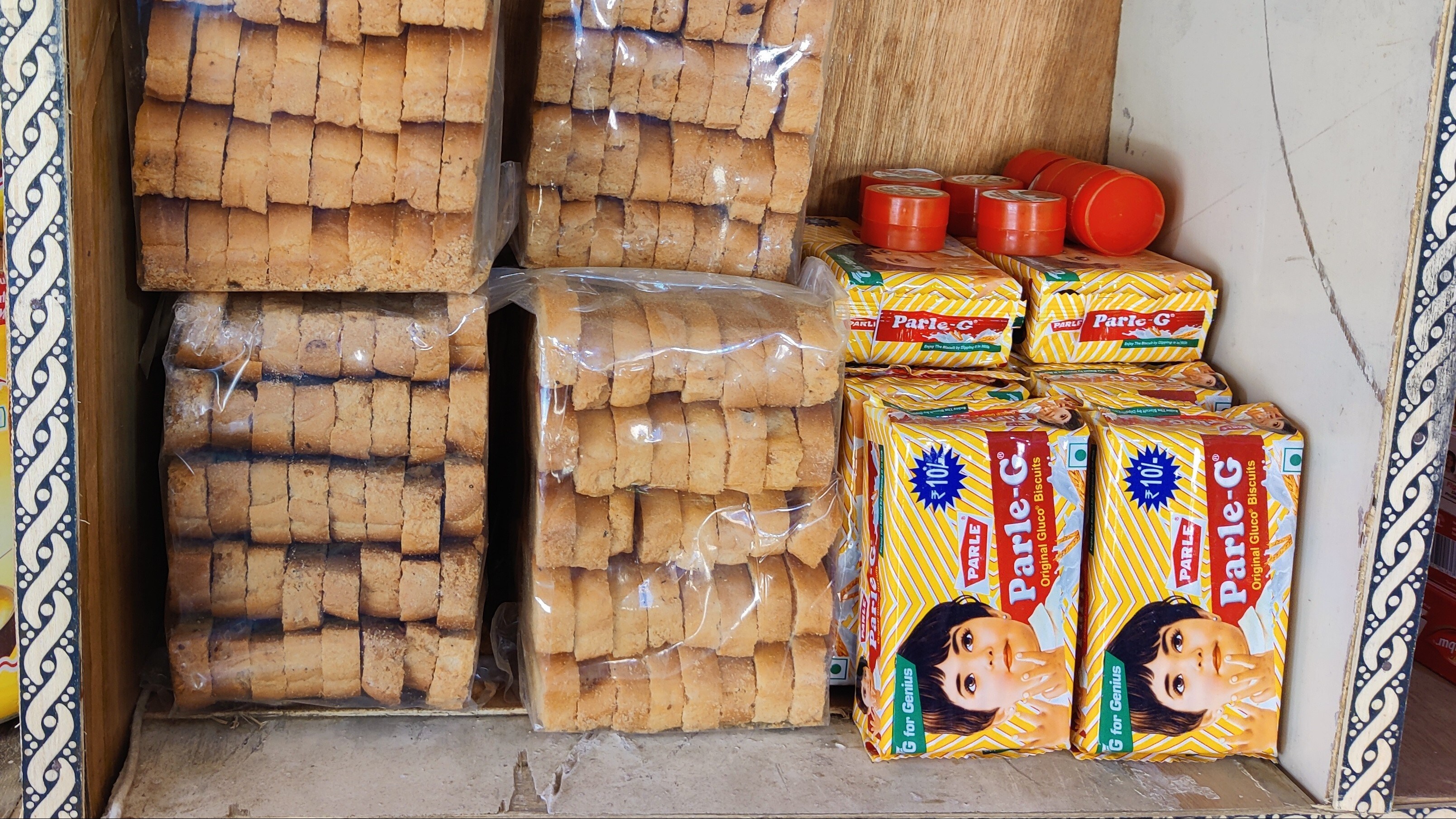
Even though inflation is finally starting to slow down, Satya Pal, who runs a tiny grocery store in the village of Subhanpur in Uttar Pradesh's Baghpat district, is not convinced. The subtle shifts in how rural households are shopping might be flashing warnings that the relief isn't enough to ease the strain on their finances anytime soon.
Supply-chain disruptions during the Covid-19 pandemic pushed input costs higher, forcing companies to increase prices for consumers.
More than a year later, Pal said, sales in his shop have halved, with villagers switching to small packs of everything from oil to shampoo as they couldn't afford to absorb the soaring prices. The 52-year-old retailer keeps limited inventory and struggles to stock empty shelves due to a lack of funds.
"Prices may have come down, but it is still higher than what we used to pay two years ago, and that is affecting demand," said Pal.
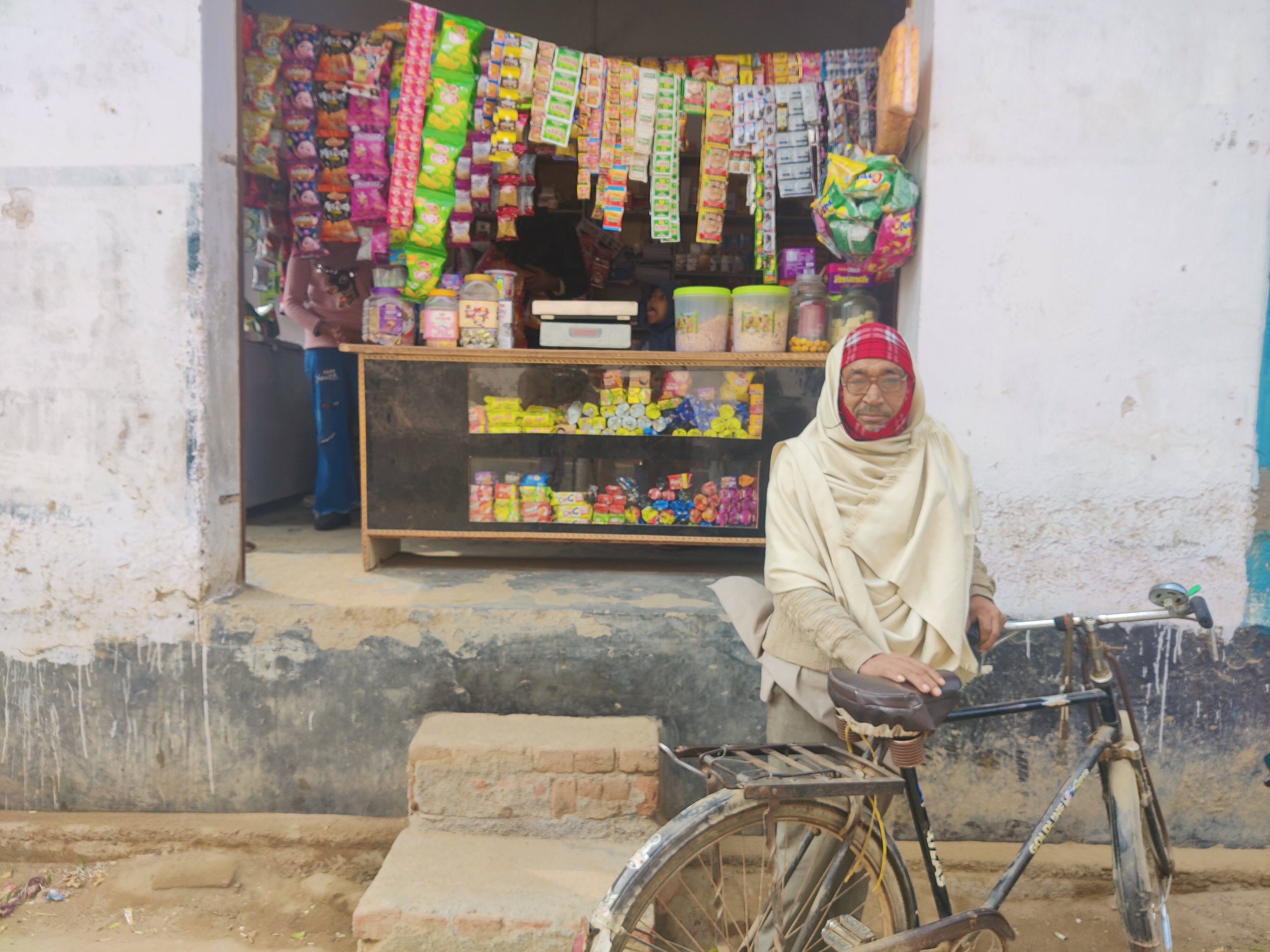
(Source: Sesa Sen/BQ Prime)
Pal isn't alone. Neighbourhood stores across India's hinterland face similar pressures. The makers of soap-to-staples were expecting volumes to revive in the third quarter on the back of the monsoons being above normal in 65% of the states, a vibrant festive season, and a good harvest. Yet, the growth continued to be price-led.
India's largest consumer goods maker, for instance, reported volume growth of 5% in the quarter ended December. But it was driven by urban markets, while rural volumes contracted 7%.
The worst of the inflation is "perhaps behind us" but it will take a while for volumes to turn positive, according to Sanjiv Mehta, chief executive officer of HUL. "There is a long way to go before rural volumes come back as inflation remains significantly higher year-on-year even though it has come down sequentially."
"The value growth remains positive, which means things are improving, but it is too early to declare victory," he said.
Peers Marico Ltd., Parle Products Pvt., and Dabur India Ltd. have expressed similar concerns. The maker of Parachute hair oil said that rural recovery was not "as discernible" in Q3 largely because of a tepid sentiment in mass category.
That established companies are taking longer than expected to recover lost volumes is also evident from the fact that consumers are shifting to local or regional brands that come at a relatively cheaper price.
In the cooking oil segment, the R brand, which retails at Rs 80 for a 500 ml pack, is finding more takers than the well-known Fortune Mustard Oil, which retails at over Rs 100 in Uttar Pradesh after the recent price cuts. The Mario brand is preferred over Nestle's Maggi, and locally made Kichnam is used to add spice. With salt prices rising to the highest level since 2015, people in Subhanpur have switched to the ‘Sleep' brand from Tata Salt.
Consumers are shifting to Amar Gold washing powder from HUL's Surf, and simply ditching bottles for sachets in personal care.
There is a shift toward regional brands more than ever, according to Sumit Agarwal, a distributor in Uttar Pradesh. "The local brands offer better margins to retailers. They have also upped their game in terms of maintaining quality, disclosing information, and providing better value for money to consumers."
Demand for established brands will come back only when companies cut initiate prices and when there is more money in the hands of rural consumers, he said.
But it's not just rising costs. What is making things worse is that rural income levels have not gone up either. BQ Prime's visit to Subhanpur revealed that many are practically living from paycheck to paycheck.
"My husband used to earn about Rs 500-600 a day earlier but now is unable to find work," said Seema, a 37-year-old woman who stitches clothes to support her family.
"Demand is not as good as it used to be. When I started stitching as a hobby, there were roughly 25–30 customers a month," she said. "But now that we have been forced to raise prices because raw material costs, we get some 10-12 orders. It is not enough."
Rural sales account for 65-70% of fast-moving consumer goods sales, according to Bizom.
As consumption is among the key drivers for the Indian economy, expectations of direct and indirect measures are running high as the the government prepares for the budget.
"Any boost in disposable income would spur consumption," Porus Doctor, partner and consumer industry leader at Deloitte India, said of his expectations from the budget.
"It is recommended that the government focus on the agriculture sector to increase rural consumption. In addition, some respite from rising commodity prices is a key ask," he said. "Stimulus packages for rural support programmes such as the Mahatma Gandhi National Rural Employment Act can also provide some recovery."
Other recommendations include a hike in the income tax exemption threshold, measures for job creation, capital access for retailers, and reducing the credit gap for small businesses. The wish list also includes steps to boost the spending power of people through schemes like Housing for All, PM Kisan Yojana, and PM Awas Yojana.
For now, Pal's wife, like many other women in her village, will rely on her tailoring income pay their son's school fees as sales from her husband's grocery store fall short.

-
The Economic Imperative: Analysing The Material Driving Force Behind India-Canada Strategic Reset

This economic complementarity is further reinforced by deep institutional investment ties and talent mobility, which form the bedrock of the bilateral framework.
-
Medicine Pricing: Where Must Profit Stop?
India must confront excessive margins, hidden incentives and regulatory gaps that threaten the integrity of medicine.
-
Why Amazon And Flipkart Are Struggling To Beat Meesho In India's Smaller Cities
With 274 million users and lowest-cost logistics, Meesho is defending its value commerce crown against giants like Amazon and Flipkart.
-
High US Salaries, No Green Card Certainty: The Financial Calculation Facing Indian H-1B Families
The suspension of PERM processing at eight technology employers does not cancel existing H-1B visas. What it does is force a question many Indian families have been avoiding: is the US salary worth tying your career and family plans to one employer?
-
Swiggy vs Eternal: Food Delivery's Two Rivals Are No Longer In The Same Race
Eternal is building a private AI assistant, dark.ai. Swiggy is still working out how to make Instamart pay, with an operating loss of Rs 895 crore in the July-September quarter while Blinkit stayed profitable.
-
Where You Live Shapes How You Get To Work | The Reason Why
Two-wheelers are the most popular way to get to work in India, accounting for nearly 43% of workplace commutes.
-
Unhedged Position: Can India See An Indonesia-Style Time Correction?
The Nifty is trading below levels it first clocked in 2024. Is there, then, as I have suggested in the headline, potential that the current time correction drags on painfully for the next three-five, even ten years?
-
Navigating Friction And Energy Realities: An Analysis Of Marco Rubio's October Visit To India
Occurring at a critical juncture marked by stalled trade negotiations and escalating geopolitical pressures over global energy supplies, the visit offers a profound window into modern US-India relations.
-
India Exports Capital. Why Not Export Trusteeship?
The big question, then, is whether India can build an institution that global borrowers, investors, banks, and lawyers can trust, even without an Indian connection.
-
France's Economy & Politics Are In Crisis | The Reason Why
Let's look at how the French economy and politics evolved under Nicolas Sarkozy, Franois Hollande and Emmanuel Macron.










