BPCL Slumps as Iraq Crisis Sends Oil Prices to 9-Month High
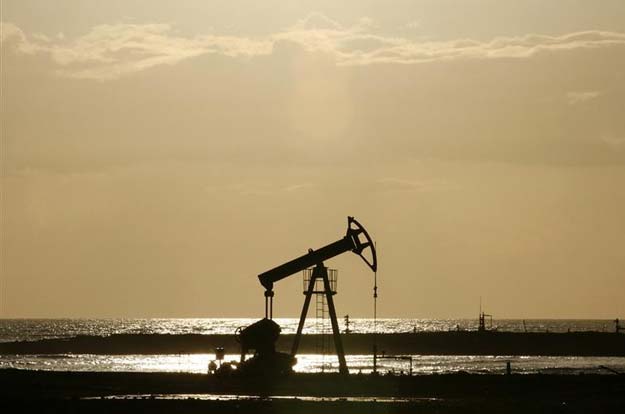
Shares in oil marketing companies fell sharply on Friday after Brent crude prices hit nine-month high on Iraq crisis. State-run BPCL was the top Nifty loser, down nearly 6 per cent, while Indian Oil and HPCL traded with over 7-8 per cent lower.
The BSE Oil and Gas sub-index traded 3 per cent lower as compared to over 1 per cent decline in the broader Sensex.
India imports nearly 75 per cent of its crude and rising oil prices adversely impact the profitability of state-run retailers who sell diesel, kerosene and LPG at subsidised rates. Only petrol is sold at market rates in India.
Brent futures rose towards $114 a barrel on Friday as supply disruption fears took centre stage with the United States threatening military action in Iraq as Sunni Islamist militants push on towards Baghdad.
Brent rose 36 cents to $113.38 a barrel by 9 a.m., after earlier hitting $113.75 - its loftiest since September last year. It ended up with gains of more than $3 on Thursday.
"There have been no disruptions to oil supplies so far but people are very nervous," said Ken Hasegawa, a Tokyo-based commodity sales manager at Newedge Japan, referring to worries that escalating violence in Iraq could disrupt oil supplies from the second-largest OPEC producer.
The forces of Iraq's autonomous ethnic Kurdish north have taken control of the oil hub of Kirkuk as the troops of the Shi'ite-led government abandoned posts.
"Oil is now in a new price territory and is likely to climb more as investors rework their positions, supported by the uncertainty and technicals."
Given the break past key resistance at $105 a barrel, the US benchmark may rise towards $112 over the next two weeks, the high touched last year, if it manages to break past the next ceiling of $110, Hasegawa said.
Brent may gain towards $115 over the same time period now that it has broken past $110, he said.
Yet, producer group OPEC's latest forecast of the oil market being balanced in the second half of this year with extra production sufficient to meet growing demand, helped allay some concerns of disruption in supplies.
The cartel of 12 exporters said global oil inventories were comfortable. U.S. stockpiles were high and commercial stocks in the large developed economies were sufficient at the end of April to meet almost two months of consumption.
The unfolding geopolitical crisis overshadowed data out of the United States that showed retail sales rose less than expected in May and first-time applications for jobless benefits increased last week.
Investors are awaiting industrial output data from China due later in the day to gauge the demand outlook for the world's second-largest oil consumer.
(With inputs from Reuters)

-
Indians Are Travelling, But Not Every Journey Is A Holiday | The Week In Whys

Pilgrims, patients and working women are the real travellers, and the system hasn't quite caught up with them.
-
Getting To Work Costs Women More | The Reason Why
It is not just about women paying more than men. It is about women paying much more in cities than in villages.
-
AI Bias In Investing Cannot Be Eliminated, But It Can Be Governed
Framing is a particularly important example as identical financial information presented in terms of gains rather than losses can lead an LLM to reach a different assessment.
-
Joining The Dots | Dark Skies, Steady Diya: Why Hope Holds This Diwali
With war, a weak rupee and foreign outflows weighing on sentiment, policymakers at the NDTV World Summit and market veterans at NDTV Profit Ignite: Diwali Edition offered the same advice: stay invested and filter out the noise.
-
The Curious Case of Equitas Small Finance Bank And A CEO Who Quit For Stock
PN Vasudevan believes persistent investor concerns over a perceived conflict of interest had become a governance overhang on Equitas Small Finance Bank's stock, even as the lender improved profitability and asset quality.
-
Talking Points This Week: AI Cash Burn, A Tiger Comeback And An India That Still Finds Its Own Path
India is not immune to higher oil or tighter global liquidity, yet its earnings base is broader, its domestic policy levers are still available.
-
Foreign Investors Own Half Of HDFC Bank and ICICI Bank. An LTCG Cut Could Matter Most Here
Foreign portfolio investors have US$115 billion parked in HDFC Bank, ICICI Bank. If the government cuts long-term capital gains tax, Jefferies says returning foreign money could land here first.
-
'Never Seen This Level Of Negativity': Sandeep Tandon Says The Next Rally May Be Closer Than You Think
Veteran investor Sandeep Tandon says foreign selling is easing, large-caps are due a comeback and mid-caps are crowded, while he turns positive on gold, power and pharma this Diwali.
-
Indians Stay With Family, Not In Hotels | The Reason Why
India still lacks enough clean, reliable and affordable hotels for budget-conscious travellers.
-
The Economic Imperative: Analysing The Material Driving Force Behind India-Canada Strategic Reset
This economic complementarity is further reinforced by deep institutional investment ties and talent mobility, which form the bedrock of the bilateral framework.










