Boeing 737 MAX Aircrafts Are Safest In The World, Says SpiceJet Chief
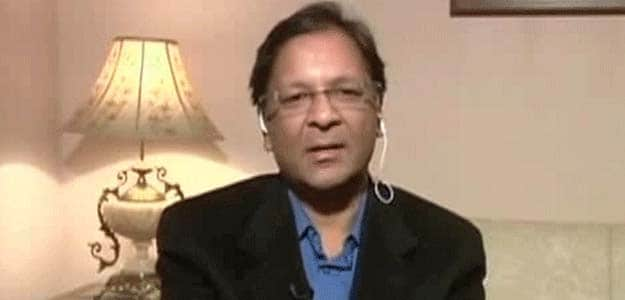
Having endured more than two years of wait after the Boeing 737 MAX jetliner was grounded in the aftermath of an Ethiopian Airlines plane of the same make crashing in March 2019, budget airlines SpiceJet has commenced its flights using the aircraft and is all set to acquire more of them in the coming days.
Chairman and managing director of SpiceJet, Ajay Singh told NDTV that all the safety concerns have been resolved related to Boeing 737 MAX aircrafts and “it is the safest aircraft in the world”.
He said that SpiceJet currently has a fleet of 13 Boeing 737 MAX aircrafts and two of them are flying as of now. By December 10, he informed that all the remaining aircrafts will be back in operation and deliveries of new aircrafts will also start from next month. The domestic carrier has a total order of 205 jets worth $22 billion.
“It (Boeing 737 MAX) has gone through the greatest ever scrutiny any aircraft may have undergone in the history of aviation. Our regulators have gone through every little piece of it in the last two years and now it is flying in many parts of the world. It can be called as the safest aircraft in the world,” Mr Singh said.
He informed that SpiceJet started flying the aircraft two days ago and so far no issue has been encountered at all.
Elaborating about the problem being encountered with this particular model of the jet, the SpiceJet chief said that it was basically a software modification.
“There is a stabilising mechanism in the aircraft which always pushes its nose up…There was a glitch in the software and has now been rectified. The aircrafts have been tested for thousands of hours and even (our) pilots underwent a two-hour training module,” he informed.
Mr Singh said that though the scrutiny should not have taken such a long time, the regulators wanted to be extra vigilant and while SpiceJet came under a lot of pressure, it is good that precautions have been taken.
When asked how the budget airline managed its business amid the Coronavirus pandemic and lack of flights due to lockdowns, Mr Singh said, “SpiceJet has thrived in adversity and looked for opportunity even in adversity. In the absence of MAX aircrafts and Covid outbreak, we built our cargo business SpiceJet Express. We also developed our technology and MRO business during this period.”
Looking at the fact that SpiceJet has made heavy investments in MAX jets which are considered among the most fuel efficient, the company chairman said that in the current scenario when fuel prices in India are among the highest in the world, these aircrafts are 20 per cent more fuel efficient.
He further informed that its engineering costs are also lower and these jets are one of the most well designed aircrafts.
“Even for passengers it is a good aircraft as they have 40 per cent less noise and greater leg space,” Mr Singh elaborated.
The SpiceJet head added that since fuel and engineering costs are the two most important factors in aviation, the Boeing MAX aircrafts fulfill all requirements for them.
Mr Singh further said that SpiceJet will provide broadband internet facilities for passengers on these aircrafts by the end of the year.
“To begin with, it will be free and we will make sure that net access is proper. As people will try to make calls, we will disable voice calling but will enable email, chatting and watching content, so it will be a unique experience for passengers,” he said.
The SpiceJet CMD said that while competition will hot up, what with many new players entering the Indian airspace (in the context of Rakesh Jhunjhunwala's upcoming Akasa Air and Tatas buying Air India), it will be a high cost market.
“Domestic space needs reasonable pricing but fare wars are not good and I hope that reasonable pricing is done. We cannot have a situation where the highest cost sector is selling at the lowest fares. This is not sustainable. We want larger states to reduce VAT on aviation turbine fuel as this will bring in more flights to these states and airport charges will also come down. The high cost structure needs to be changed if the common man has to fly. I hope that ATF does come under GST,” he said.
On losing out to the Tata Group on the Air India sale, Mr Singh said that despite being stressed with SpiceJet, he was game for it.
“What's the point in being in the aviation sector if we are not up for a challenge!” he quipped.
He added that despite losing out to the Tatas, it is good that the disinvestment went through.
Wishing the Tata Group luck, Mr Singh said that they should now rebuild and revive the brand Air India.

-
Getting To Work Costs Women More | The Reason Why

It is not just about women paying more than men. It is about women paying much more in cities than in villages.
-
AI Bias In Investing Cannot Be Eliminated, But It Can Be Governed
Framing is a particularly important example as identical financial information presented in terms of gains rather than losses can lead an LLM to reach a different assessment.
-
Joining The Dots | Dark Skies, Steady Diya: Why Hope Holds This Diwali
With war, a weak rupee and foreign outflows weighing on sentiment, policymakers at the NDTV World Summit and market veterans at NDTV Profit Ignite: Diwali Edition offered the same advice: stay invested and filter out the noise.
-
The Curious Case of Equitas Small Finance Bank And A CEO Who Quit For Stock
PN Vasudevan believes persistent investor concerns over a perceived conflict of interest had become a governance overhang on Equitas Small Finance Bank's stock, even as the lender improved profitability and asset quality.
-
Talking Points This Week: AI Cash Burn, A Tiger Comeback And An India That Still Finds Its Own Path
India is not immune to higher oil or tighter global liquidity, yet its earnings base is broader, its domestic policy levers are still available.
-
Foreign Investors Own Half Of HDFC Bank and ICICI Bank. An LTCG Cut Could Matter Most Here
Foreign portfolio investors have US$115 billion parked in HDFC Bank, ICICI Bank. If the government cuts long-term capital gains tax, Jefferies says returning foreign money could land here first.
-
'Never Seen This Level Of Negativity': Sandeep Tandon Says The Next Rally May Be Closer Than You Think
Veteran investor Sandeep Tandon says foreign selling is easing, large-caps are due a comeback and mid-caps are crowded, while he turns positive on gold, power and pharma this Diwali.
-
Indians Stay With Family, Not In Hotels | The Reason Why
India still lacks enough clean, reliable and affordable hotels for budget-conscious travellers.
-
The Economic Imperative: Analysing The Material Driving Force Behind India-Canada Strategic Reset
This economic complementarity is further reinforced by deep institutional investment ties and talent mobility, which form the bedrock of the bilateral framework.
-
Medicine Pricing: Where Must Profit Stop?
India must confront excessive margins, hidden incentives and regulatory gaps that threaten the integrity of medicine.










