BMW CEO Sees Profit Boost From Next-Generation Electric Cars
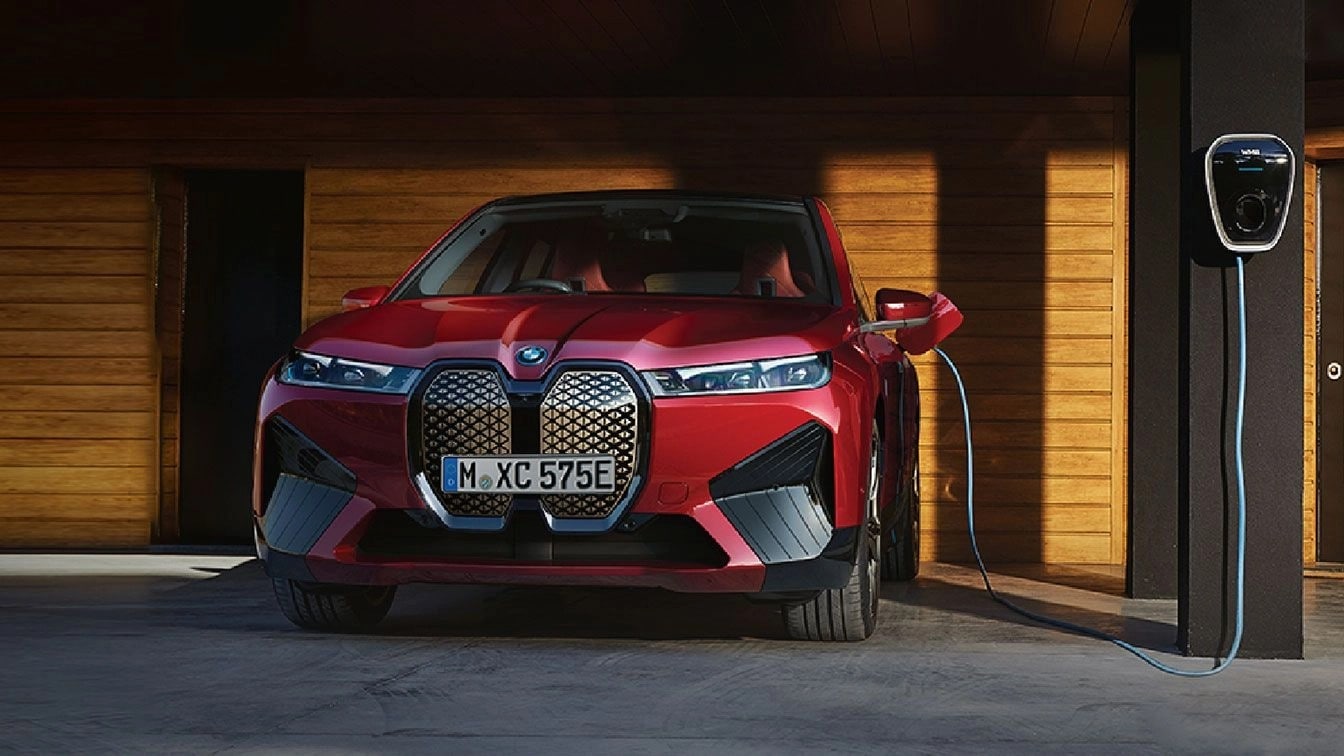
(Bloomberg) -- Auto-industry executives long complained that electric cars aren't as profitable as their combustion-engine counterparts. BMW AG Chief Executive Officer Oliver Zipse says those days are over.
All of BMW's electric models are earning money, and the company's ‘Neue Klasse' battery-powered vehicles due from 2025 will be even more profitable, Zipse said Saturday.
“The assumption that margins of combustion-engine cars are always higher is simply wrong,” he told reporters at an event ahead of the IAA car show in Munich.
BMW earlier Saturday unveiled the first prototype of its future Neue Klasse line, which is meant to help the German automaker challenge Tesla Inc. and defend sales in its most important market China.
Read more: BMW Unwraps Next-Generation EV to Take on Tesla, China's BYD
The luxury-car maker is growing in China and is selling twice as many fully electric cars there as rival brands Mercedes-Benz and Audi combined, Zipse said. He added that BMW isn't affected by the country's price war because of its positioning in the premium segment.
“We have a solid foundation in the Chinese marketplace,” the CEO said in a separate interview with Bloomberg Television. “We will never go down to a volume segment just to push volume — because we don't need to.”
--With assistance from Oliver Crook.
More stories like this are available on bloomberg.com
©2023 Bloomberg L.P.

-
Rs 50-Lakh Gold In Bank Locker, Rs 3 Lakh Of Protection: The Gap Most Families Don't Know About

The RBI ties a bank's liability to the annual locker rent and families who want to insure their jewellery face a separate question about how to prove what was inside.
-
The More Food Turns Into Fuel, The Harder It Is To Read Agricultural Markets | The Reason Why
A policy designed to reduce dependence on imported fuel can create new pressures elsewhere in the food economy.
-
Your iPhone Costs 12 Grams Of Gold, A Car About 100. What Does Your Life Weigh?
Measured in rupees, almost everything looks more expensive than it did a generation ago. Measured in grams of gold, a lot of it has become cheaper.
-
Gold Is Rs 22,000 Cheaper Than A Month Ago. Should You Buy Amid The Wedding Season?
Gold's potential slide to $3,500 could save around Rs 4,700 per 10 grams, but a soft inflation print could just as easily push prices back up. One way to split the risk is to buy in parts, some now and the rest after the Fed's Dec. 9 decision.
-
AI Agents Are Gaining Power. Who Governs Them?
Artificial intelligence agents promise to transform productivity by moving machines from assisting decisions to executing them. But as organisations delegate greater authority to these AI-agents, they must first establish who controls that authority and who remains accountable when things go wrong.
-
Why Swapping Your Old Gold Can Trigger A Rs 5 Lakh Tax Bill, And How You Can Avoid It Legally
Swapping old gold for new is taxed as a sale and a fresh purchase. Getting your own gold remade can cut most of that bill, though it has its own costs.
-
The AI Trade is Done. The Real Opportunity for Investors Starts in 2027 | Unhedged Position
As pureplay AI stocks plunge and circular, capex-led financing unwinds, 2027 is set to be a year of reckoning for AI companies. Yet the bust clears the way for a better opportunity for investors in 2027 -- shifting the spotlight from AI builders to the companies using AI.
-
Leadership As Mission: Why The Age Of AI Demands More Human Leadership
Debjani Ghosh examines how AI is changing leadership, arguing that its success must be measured by its impact on people and the accountability of those guiding its use.
-
We May Need Another Tukaram Mundhe To Fight Air Pollution | The Reason Why
Developers may install basic measures such as sprinklers and green nets, resume work, and continue violating rules when this equipment stops working.
-
Extracting Value From Battery Scrap Could Be Challenging For India | The Reason Why
A discarded lithium-ion battery still contains valuable materials such as lithium, nickel and cobalt. These can be recovered and reused. When such batteries are crushed and shredded, they produce a dark powder called black mass.









