BlackRock, MSCI Probed by US Lawmakers Over China Investment
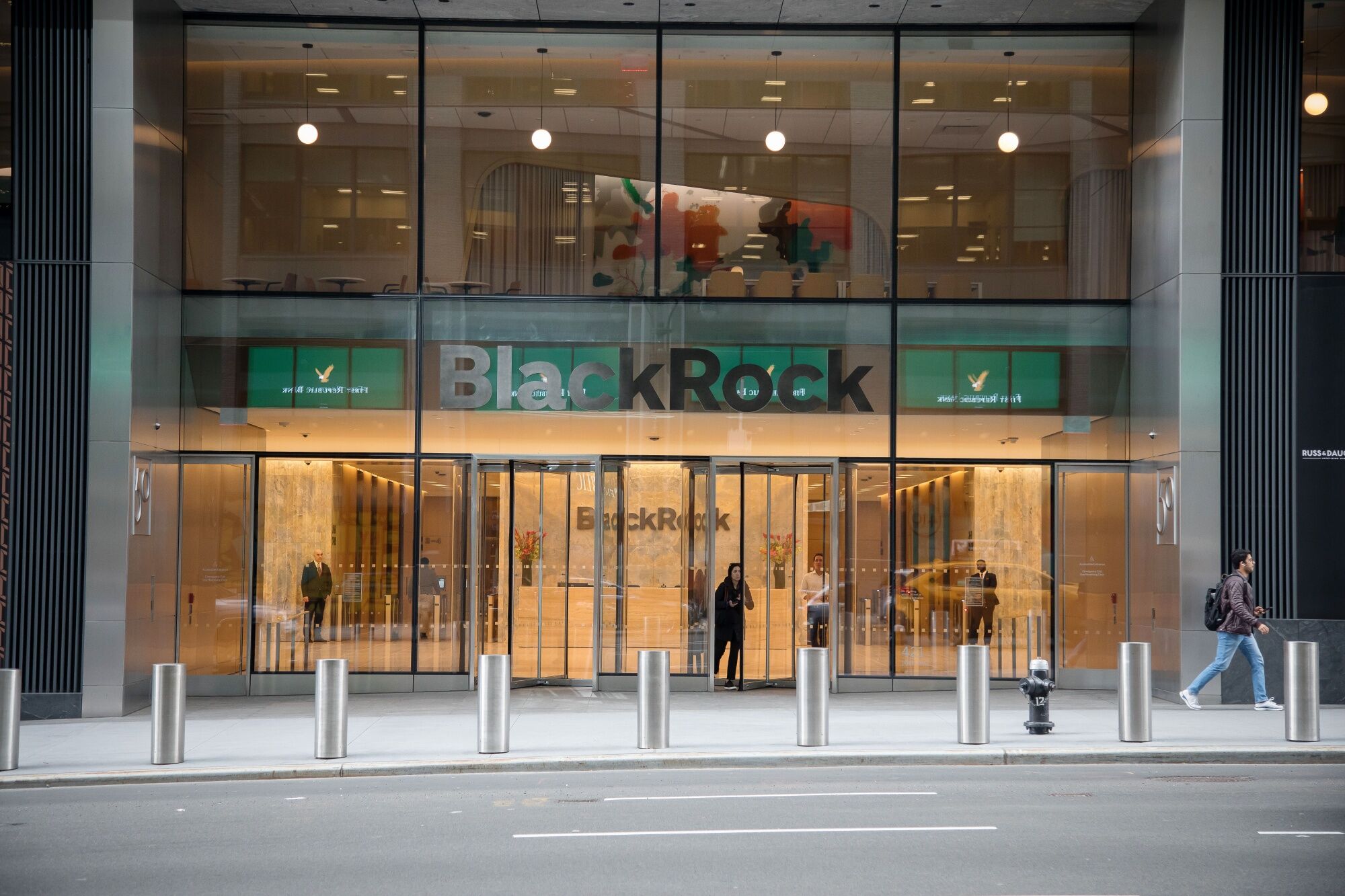
(Bloomberg) -- A US congressional committee is investigating BlackRock Inc. and MSCI Inc. for allegedly helping to facilitate American investment into Chinese companies that the government has blacklisted for human rights abuses and aiding the military.
The House Select Committee on the Chinese Communist Party demanded information by mid-August from BlackRock about the inclusion of Chinese companies in its mutual and other funds, according to a letter the panel sent on July 31 to BlackRock Chief Executive Officer Larry Fink.
The panel identified companies that present national security risks, use or support forced labor or are affiliated with China's military and security apparatus. The committee estimated that five BlackRock funds, for example, have more than $429 million invested in Chinese companies “against the interests of” the US.
Read More: Biden to Sign Order Curbing China Investments by Mid-August
“It is unconscionable for any US company to profit from investments that fuel the military advancement of America's foremost foreign adversary and facilitate human rights abuses,” Representative Mike Gallagher, a Republican from Wisconsin, and Raja Krishnamoorthi, an Illinois Democrat, wrote in the letter.
BlackRock said in an e-mailed statement that it is one of 16 asset managers offering US index funds investing in Chinese companies.
“With all investments in China and markets around the world, BlackRock complies with all applicable US government laws,” the company said in a statement.
MSCI said in a statement that the company is reviewing the committee's requests, which were first reported by the Wall Street Journal.
US officials are weighing new proposals to screen and possibly prohibit investment in China's semiconductor, quantum-computing and artificial intelligence sectors, people familiar with the plans have said recently. China's government said last month that it would respond to any new limitations on investment.
More stories like this are available on bloomberg.com
©2023 Bloomberg L.P.

-
Signature Play: The Classic Cocktail Is Dead. Or Is It?

Classic cocktails are disappearing from India's cocktail menus. But they're still being ordered, taught to bartenders and borrowed from. So, who's really having the last drink?
-
A New Samvat Wishlist: Inclusive Prosperity And Human Development
India has strengthened its economic foundations through infrastructure, digital access and enterprise. Its next growth chapter must deepen productivity, create better livelihoods and widen participation in prosperity.
-
Love, Sex Aur Dhokha: The Audacious Plot To Spy On Jensen Huang
A Taipei dinner, a Singapore chip buyer and a suspected Chinese asset: inside the alleged spy operation that got close to NVIDIA's Jensen Huang.
-
Ten Things I Learnt This Samvat
Patience can be a trap. Cheap stocks can stay cheap. Leverage can wipe you out. What did Samvat 2082 teach us? Niraj Shah writes on 10 lessons from the year gone by.
-
Talking Points This Week: Tech Nerves, FII Buying, And A Faraway Banking Shock
The global markets are not shining this Diwali. The exception in the large markets is, India.
-
Midterm Rally Lasted A Day. The Hard Reality Of A Divided US May Last Two Years | Opinion
Between a contested AI boom, a debt ceiling that arrives in 2027 and a president with every incentive to act alone, the next two years may prove more volatile than the first day's rally suggests.
-
Blue Wave Will Derail the AI Trade but Won't Dismantle the AI Era | Unhedged Position
The Democrats' sweep of the US Congress will see politics collide with economic forces both over the long and short term.
-
It's Time To Take The GST Council's Bet On Trust Global
Payment records can prove India's services exports, and clear, proportionate rules can bring foreign digital sellers into the tax net.
-
Opinion | India at 38: From Innovation Overperformer to Innovation Powerhouse
India now has 453 VC-backed deep science startups, 18 of them late-stage, after 117 percent growth since 2020. Laurus Labs, at USD 9.3 billion, is the most valuable deep science company in any middle-income economy outside China.









