Bitcoin Falls To Lowest Since January, Tracking Stock Market Plunge
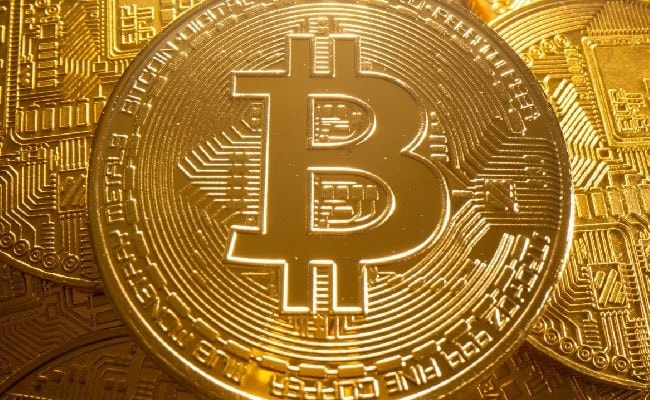
Bitcoin fell to its lowest level since January on Monday as slumping equity markets continued to hurt cryptocurrencies, which are currently trading in line with so-called riskier assets like tech stocks.
Bitcoin dropped to as low as $33,266 in morning trade, testing the January low of $32,951. A fall below that level would be it lowest since July last year.
It then steadied to trade around $33,500, down 1.4%.
"I think everything within crypto is still classed as a risk asset, and similar to what we've seen with the Nasdaq, most crypto currencies are getting pummelled," said Matt Dibb, COO of Singapore-based crypto platform Stack Funds
The tech heavy Nasdaq fell 1.5% last week, and has lost 22% year to date, hurt by the prospect of persistent inflation forcing the U.S. Federal Reserve to hike rates despite slowing growth. Nasdaq futures were down a further 0.8% in Asia trade on Monday morning.
Dibb said other factors in the decline over the weekend - bitcoin closed on Friday around $36,000 - were the crypto market's notoriously low liquidity over the weekends, and also short lived fears that algorithmic stablecoin called Terra USD (UST) could lose its peg to the dollar.
Stablecoins are digital tokens pegged to other traditional assets, often the U.S. dollar.
UST is closely watched by the crypto community both because of the novel way in which it maintains its 1:1 dollar peg, and because its founders have set out plans to build a reserve of $10 billion worth of bitcoin to back the stablecoin, meaning volatility in UST could potentially spill over into bitcoin markets.
Ether, the world's second largest cryptocurrency, which underpins the ethereum network, fell as low as $2,421 on Monday, its lowest since late February.
(This story has not been edited by NDTV staff and is auto-generated from a syndicated feed.)

-
One El Nino, India Can Handle. Two Could Break The Granary

India's grain stocks can absorb one bad year, but a second El Nino could drain the buffer in two to three years, economists say.
-
India's Troika Of Good Luck | Joining The Dots
As Jensen Huang's exit drags Nvidia down, a cooling AI trade and resilient earnings have revived investor interest in India. A likely RBI rate hike looms.
-
Talking Points This Week: Leadership Shock At Nvidia, Earnings Strength, And The Fog Over Hormuz
The Anthropic IPO pricing and first trading day, Nvidia's upcoming earnings, and any fresh signals from Iran will set the tone for the following week.
-
Signature Play: The Classic Cocktail Is Dead. Or Is It?
Classic cocktails are disappearing from India's cocktail menus. But they're still being ordered, taught to bartenders and borrowed from. So, who's really having the last drink?
-
A New Samvat Wishlist: Inclusive Prosperity And Human Development
India has strengthened its economic foundations through infrastructure, digital access and enterprise. Its next growth chapter must deepen productivity, create better livelihoods and widen participation in prosperity.
-
Love, Sex Aur Dhokha: The Audacious Plot To Spy On Jensen Huang
A Taipei dinner, a Singapore chip buyer and a suspected Chinese asset: inside the alleged spy operation that got close to NVIDIA's Jensen Huang.
-
Ten Things I Learnt This Samvat
Patience can be a trap. Cheap stocks can stay cheap. Leverage can wipe you out. What did Samvat 2082 teach us? Niraj Shah writes on 10 lessons from the year gone by.
-
Talking Points This Week: Tech Nerves, FII Buying, And A Faraway Banking Shock
The global markets are not shining this Diwali. The exception in the large markets is, India.
-
Midterm Rally Lasted A Day. The Hard Reality Of A Divided US May Last Two Years | Opinion
Between a contested AI boom, a debt ceiling that arrives in 2027 and a president with every incentive to act alone, the next two years may prove more volatile than the first day's rally suggests.
-
Blue Wave Will Derail the AI Trade but Won't Dismantle the AI Era | Unhedged Position
The Democrats' sweep of the US Congress will see politics collide with economic forces both over the long and short term.









