Bisleri Looks To Tap India's Small Yet Fast-Growing Sparkling Water Market
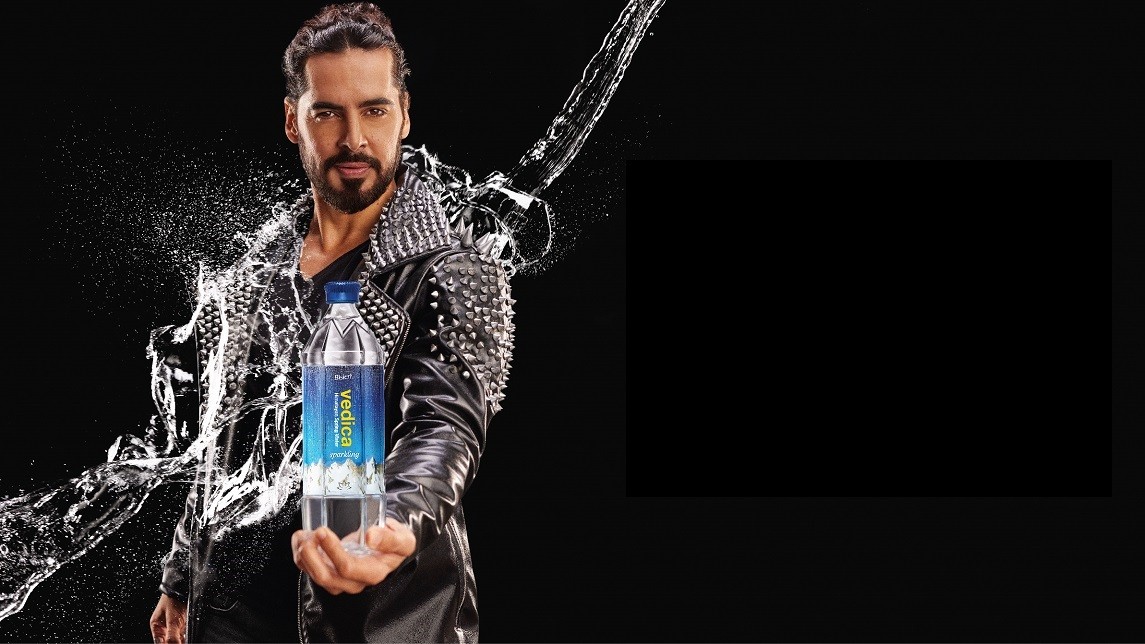
Bisleri International Pvt. is looking to exploit growing health concerns about soft drinks by starting a new fight: the fizzy water war.
The maker of the country's largest-selling packaged drinking water is rolling out sparkling water to capitalise on the popularity of the non-alcoholic option among affluent consumers. While the concept is still niche in India, factors such as transformed habits, more celebrities endorsing the product, and rapid urbanisation are fueling the growth of the category, which is often seen as a healthier alternative to sugary carbonated beverages.
"The launch of Vedica Himalayan Sparkling Water is a response to the evolving consumer preferences in this category," Jayanti Khan Chauhan, vice chairperson, Bisleri International Pvt. told BQ Prime. "It has been strategically timed to coincide with the upcoming festive season, as the beverage is often associated with celebrations and special occasions."
The product "aligns seamlessly with modern lifestyles", said Chauhan, even though she admits that it will take some time before the sparkling water market in India reaches the levels seen in developed markets like Europe.
Packaged in glass bottles of 300 ml, the sparkling water is priced at Rs 175, underscoring the company's premiumisation drive. This would be the company's first extension since it launched its premium water brand, Vedica.
For Bisleri, the sparkling water segment is a big bet.
The move will pit the packaged drinking water giant directly against the Tata Group, which sells sparkling water under the Himalayan brand. Others competing in the space also include global brands like Perrier and San Pellegrino as well as Indian-origin brands such as Zoik and Paper Boat.
While there are no concrete estimates on how big the luxurious sparkling water market in India is, the bottled water market is estimated to be worth Rs 20,000 crore, dominated mainly by unorganised players. Bisleri has a 32% share of the Rs 8,000-crore organised packaged water market, where it competes with Coca-Cola's Kinley and PepsiCo's Aquafina.
The market size for non-alcoholic beverages was valued at $12.15 billion in 2019, compared to $3.5 billion in 2010, according to a report from economic policy think tank ICRIER. Still, India's revenue per person from the sale of such beverages was estimated at $8.89 in 2019, much lower compared to markets such as $1,030 in the US and $67.05 in China.
Bisleri's current distribution network is quite "extensive" with a strong emphasis on urban areas, which is the primary market for packaged drinking water, according to its Chief Executive Officer, Angelo George. Currently, it has a manufacturing presence of 128 plants across the country, over 6,000 distributors, and a fleet of 7,500 trucks to serve all market channels.
"The outlet coverage has increased by 20% in the top 40 towns. We are further deepening our presence in districts with higher per capita income and are tapping the potential of smaller towns to expand our distribution reach."
The premium water brand, Vedica, is expected to touch Rs 100 crore in sales over the next two to three years, according to the company.
Beyond Water
Bisleri wants to build a portfolio that offers something for everyone.
Recently, the company re-entered the carbonated beverage segment, with a focus on tapping Gen Z. A pioneer in the soft drinks space, 54-year-old Bisleri currently has four fizzy drinks in its portfolio.
"We are constantly building relevance and ensuring Bisleri remains the most trusted and loved brand among all beverages, said Jayanti Khan Chauhan.
Almost three decades after selling soft drink brands Thums Up, Gold Spot, and Limca to Coca-Cola, Bisleri has once again ventured into the soft drink market. And this time it's not Ramesh Chauhan, but his daughter, who is in the driver's seat. Senior Chauhan, as Bisleri's chairman, however, continues to guide the team led by Junior Chauhan and George as Bisleri intends to repeat the Thums Up story via its renewed bet on the carbonated beverages space.
"It's an exciting journey, and we're committed to making our mark in the carbonated soft drink segment," said Chauhan.
The journey won't be easy. In the past, Coca-Cola abandoning its India operations turned out to be a golden opportunity for the Parle brothers—Ramesh Chauhan and Prakash Chauhan—who, along with then Chief Executive Officer Bhanu Vakil, launched Thums Up as their flagship drink. This time, Bisleri will be competing with the country's richest man, who has revived the Campa Cola brand in a bid to grab a lion's share of India's Rs 40,000 crore carbonated beverages market, dominated by the likes of Coca-Cola and PepsiCo.
Chauhan, however, isn't overtly worried about competition.
"We need to focus on our business strategy rather than competition. That said, it is also not something that we are worried about," she said.
Bisleri has set an ambitious four-year revenue goal. It aims to double its business to become a Rs 5,000 crore brand by 2027 and expects its carbonated soft drinks segment to contribute 10% to overall sales.

-
Getting To Work Costs Women More | The Reason Why

It is not just about women paying more than men. It is about women paying much more in cities than in villages.
-
AI Bias In Investing Cannot Be Eliminated, But It Can Be Governed
Framing is a particularly important example as identical financial information presented in terms of gains rather than losses can lead an LLM to reach a different assessment.
-
Joining The Dots | Dark Skies, Steady Diya: Why Hope Holds This Diwali
With war, a weak rupee and foreign outflows weighing on sentiment, policymakers at the NDTV World Summit and market veterans at NDTV Profit Ignite: Diwali Edition offered the same advice: stay invested and filter out the noise.
-
The Curious Case of Equitas Small Finance Bank And A CEO Who Quit For Stock
PN Vasudevan believes persistent investor concerns over a perceived conflict of interest had become a governance overhang on Equitas Small Finance Bank's stock, even as the lender improved profitability and asset quality.
-
Talking Points This Week: AI Cash Burn, A Tiger Comeback And An India That Still Finds Its Own Path
India is not immune to higher oil or tighter global liquidity, yet its earnings base is broader, its domestic policy levers are still available.
-
Foreign Investors Own Half Of HDFC Bank and ICICI Bank. An LTCG Cut Could Matter Most Here
Foreign portfolio investors have US$115 billion parked in HDFC Bank, ICICI Bank. If the government cuts long-term capital gains tax, Jefferies says returning foreign money could land here first.
-
'Never Seen This Level Of Negativity': Sandeep Tandon Says The Next Rally May Be Closer Than You Think
Veteran investor Sandeep Tandon says foreign selling is easing, large-caps are due a comeback and mid-caps are crowded, while he turns positive on gold, power and pharma this Diwali.
-
Indians Stay With Family, Not In Hotels | The Reason Why
India still lacks enough clean, reliable and affordable hotels for budget-conscious travellers.
-
The Economic Imperative: Analysing The Material Driving Force Behind India-Canada Strategic Reset
This economic complementarity is further reinforced by deep institutional investment ties and talent mobility, which form the bedrock of the bilateral framework.
-
Medicine Pricing: Where Must Profit Stop?
India must confront excessive margins, hidden incentives and regulatory gaps that threaten the integrity of medicine.










