Biscuit Makers Locked In A Cookie War
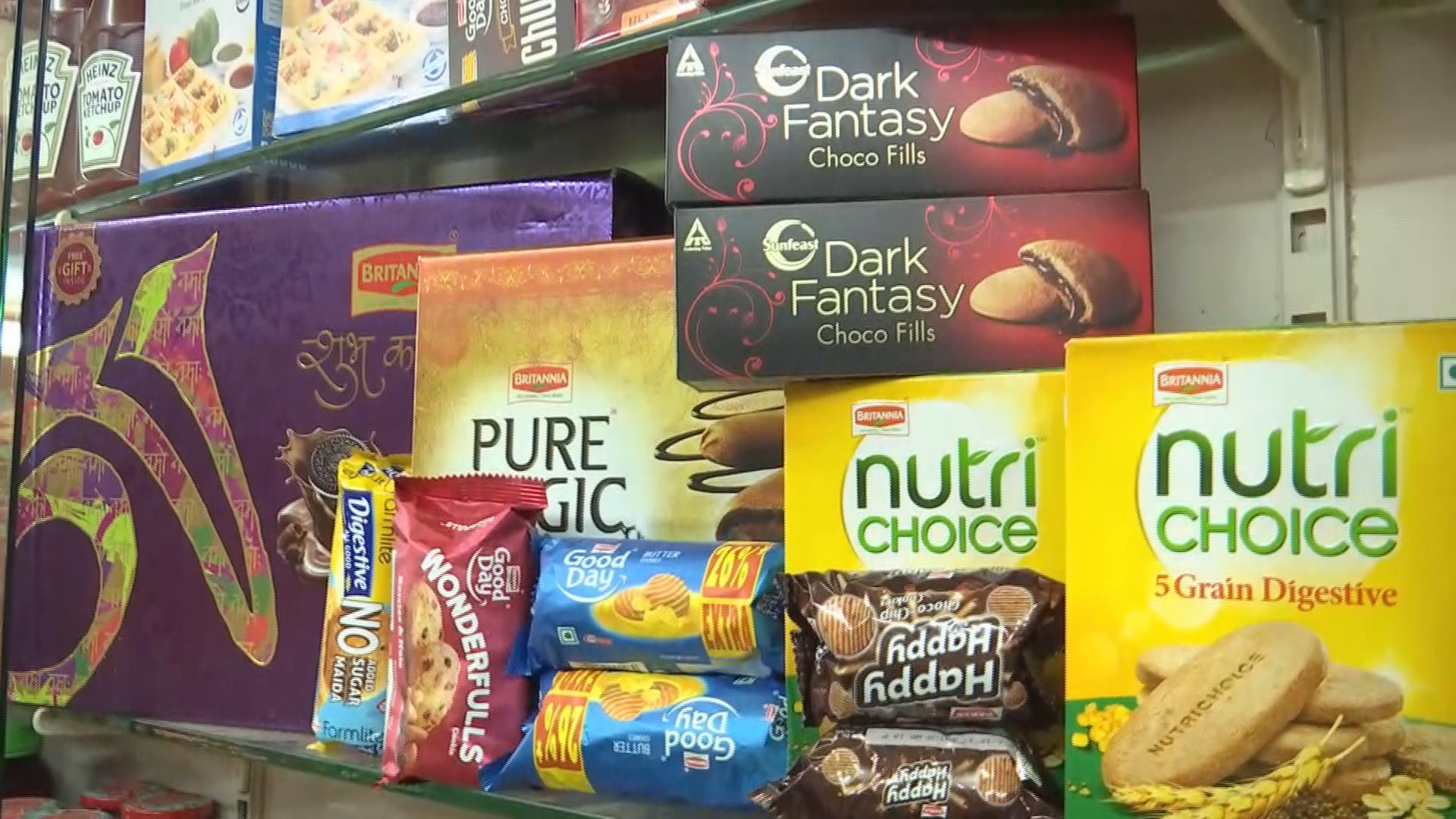
Biscuit makers are putting more cookies in your jar, throwing in everything from new flavours to sattu or gram flour. All this for a bigger share of your coffee table spread.
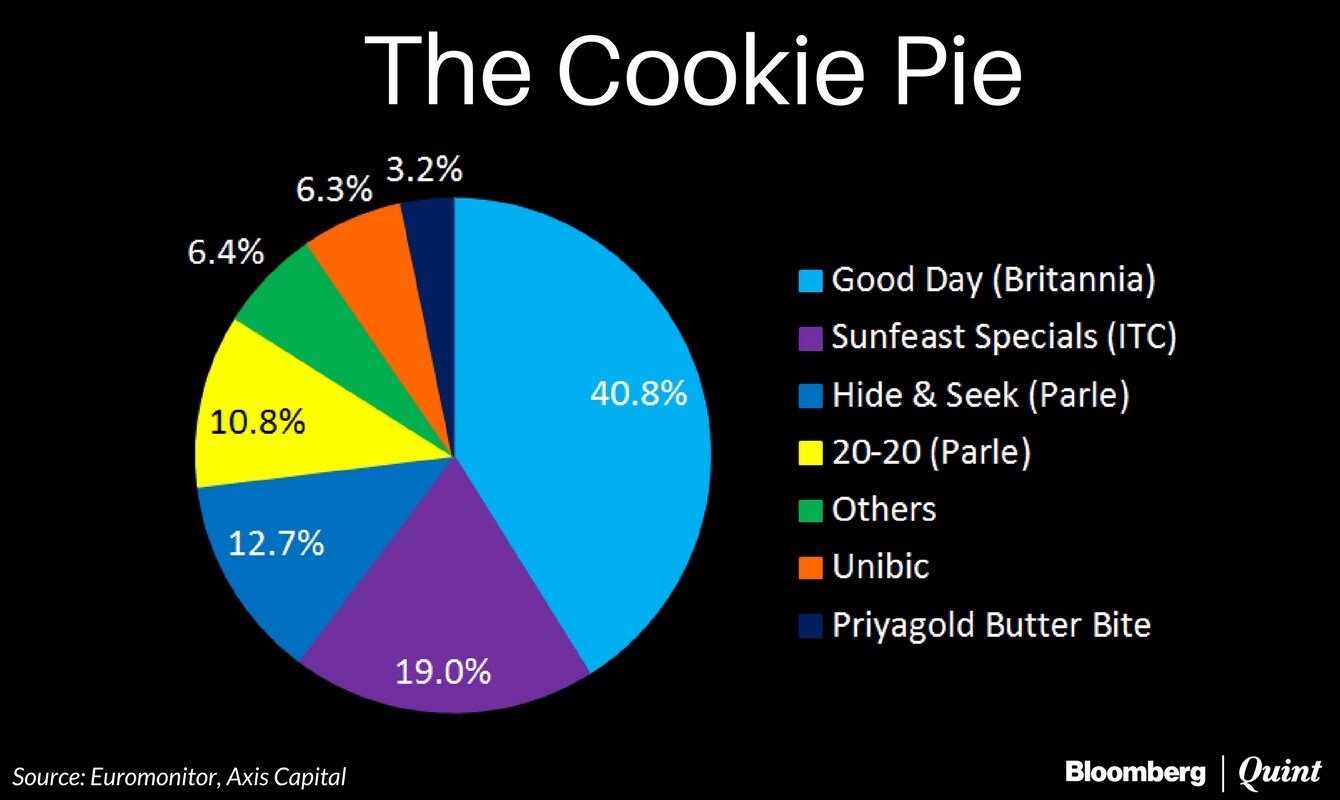
Britannia Industries Ltd., maker of the best-selling Good Day cookies, and second-placed Parle Products Ltd. face a challenge from ITC Ltd. The cigarettes-to-consumer goods major's sustained focus through the Moms Magic brand has started to pay off, Axis Capital said in a report. While the top two companies lost share in the past two years, ITC remained stable. And it's now getting aggressive.
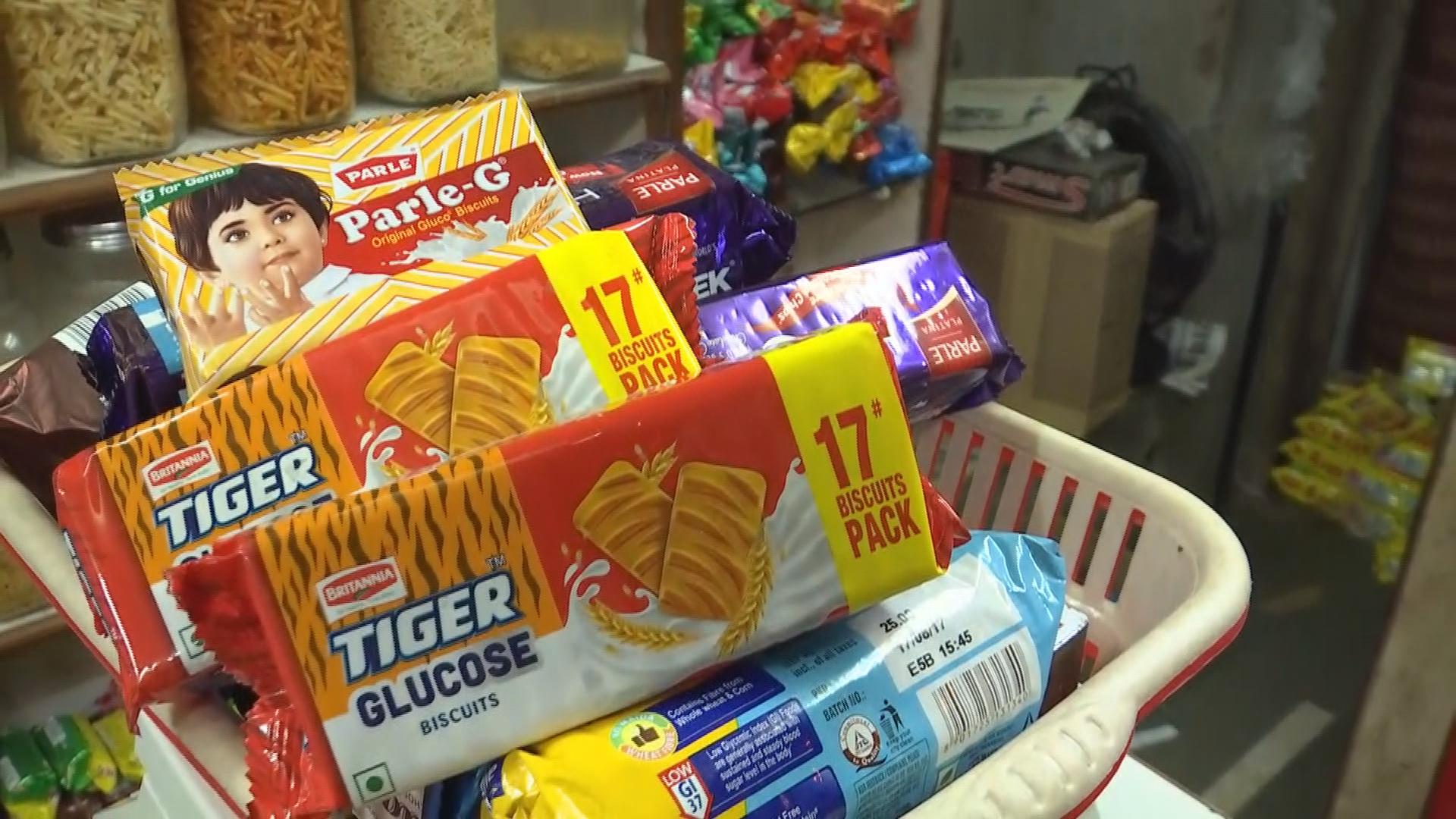
What's aiding the shift in the Rs 9,900-crore market is changing consumer preferences. Long-time staple glucose biscuits like Britannia's Tiger and Parle-G are growing at 5 percent annually, about half the pace of cookies. Companies are betting on this premiumisation.
“There is an evolution from biscuits to cookies and more innovations will be the driver,” said Alpana Parida, managing director of brand strategist DY Works. “Britannia is synonymous with innovation in the cookie market. I think the battle for a larger share of the cookie pie has just begun.”
The Goods and Services Tax also helped. While initial disruption hurt volumes, total levies came down from 22-24 percent to 18 percent. The companies didn't cut prices; they added more cookies to the packs instead. Britannia offers 13-26 percent extra grammage on its Good Day brand, while ITC's Moms Magic has increased it by 21-25 percent. Parle Products added 25 percent weight, the report said.
ITC is marketing its products harder. It offers cash benefits over and above a 15 percent margin to retailers, said Sanjay Sheth, owner of Gayatri Dry Fruits and General Stores in Crawford Market in south Mumbai. In comparison, Britannia offers a 15 percent margin and Parle 10-12 percent, he said.
“We offer a choice to the customer with various pack sizes. We are increasing availability at the store level,” Hemant Malik, chief executive officer of ITC's foods division, told BloombergQuint.
ITC plans to improve its distribution by 5-10 percent from a network of 3.5 to 4 million outlets. It has a share of about 20 percent, according to the Axis Bank report. The objective is to boost it by up to 2 percentage points every year, Malik said.
That won't be easy. Other retailers in Mumbai BloombergQuint spoke to said it's Britannia that sells the most. The maker of Nutri Choice contributes half the biscuit sales for Jay Patel, owner of L2 Mini Mart in Dadar. The company is pushing to display its products at his storefront. Parle, with brands like Hide & Seek, has limited variants but flies off the shelves as well, he said. ITC and Unibic contribute only a tenth of his sales.
Junaid Khan, who runs two outlets in Mumbai, said ITC paid him to put up advertisements. Yet, consumers' first choice is Britannia or Parle.

The Kolkata-based company has unveiled new variants to attract customers. It launched a fruit-and-nuts variant of the Moms Magic brand and a five-grain product at Rs 20, Malik said. And a cookie made with sattu under the Farmlite brand.
Rivals won't cede ground easily. Parle targets to increase its share from 25 percent to 30 percent in the next one year, riding on Hide & Seek and Parle 20-20. Cookies is the fastest growing category, Mayank Shah, category head at Parle Products told BloombergQuint. “We are actively pursuing opportunities in the mid- and high-range cookie space.”
Britannia, which has a 40.8 percent share, declined to comment for the story. The maker of Bourbon and Pure Magic is betting on increasing its dominance through rural penetration, Gunjan Shah, vice-president (sales), told BloombergQuint recently. The company introduced lower-priced packs at Rs 5-10 each for its premium and mid-premium range including Treat, Choco-chip Cookies, Bourbon and VitaMarie. It also unveiled Good Day Wonderfulls in choco nut, butter almond, and berries and nuts flavours.

-
Extracting Value From Battery Scrap Could Be Challenging For India | The Reason Why

A discarded lithium-ion battery still contains valuable materials such as lithium, nickel and cobalt. These can be recovered and reused. When such batteries are crushed and shredded, they produce a dark powder called black mass.
-
One El Nino, India Can Handle. Two Could Break The Granary
India's grain stocks can absorb one bad year, but a second El Nino could drain the buffer in two to three years, economists say.
-
India's Troika Of Good Luck | Joining The Dots
As Jensen Huang's exit drags Nvidia down, a cooling AI trade and resilient earnings have revived investor interest in India. A likely RBI rate hike looms.
-
Talking Points This Week: Leadership Shock At Nvidia, Earnings Strength, And The Fog Over Hormuz
The Anthropic IPO pricing and first trading day, Nvidia's upcoming earnings, and any fresh signals from Iran will set the tone for the following week.
-
Signature Play: The Classic Cocktail Is Dead. Or Is It?
Classic cocktails are disappearing from India's cocktail menus. But they're still being ordered, taught to bartenders and borrowed from. So, who's really having the last drink?
-
A New Samvat Wishlist: Inclusive Prosperity And Human Development
India has strengthened its economic foundations through infrastructure, digital access and enterprise. Its next growth chapter must deepen productivity, create better livelihoods and widen participation in prosperity.
-
Love, Sex Aur Dhokha: The Audacious Plot To Spy On Jensen Huang
A Taipei dinner, a Singapore chip buyer and a suspected Chinese asset: inside the alleged spy operation that got close to NVIDIA's Jensen Huang.
-
Ten Things I Learnt This Samvat
Patience can be a trap. Cheap stocks can stay cheap. Leverage can wipe you out. What did Samvat 2082 teach us? Niraj Shah writes on 10 lessons from the year gone by.
-
Talking Points This Week: Tech Nerves, FII Buying, And A Faraway Banking Shock
The global markets are not shining this Diwali. The exception in the large markets is, India.
-
Midterm Rally Lasted A Day. The Hard Reality Of A Divided US May Last Two Years | Opinion
Between a contested AI boom, a debt ceiling that arrives in 2027 and a president with every incentive to act alone, the next two years may prove more volatile than the first day's rally suggests.









