Biocon’s Kiran Mazumdar-Shaw Only Indian On Hurun’s Self-Made Women Billionaires List

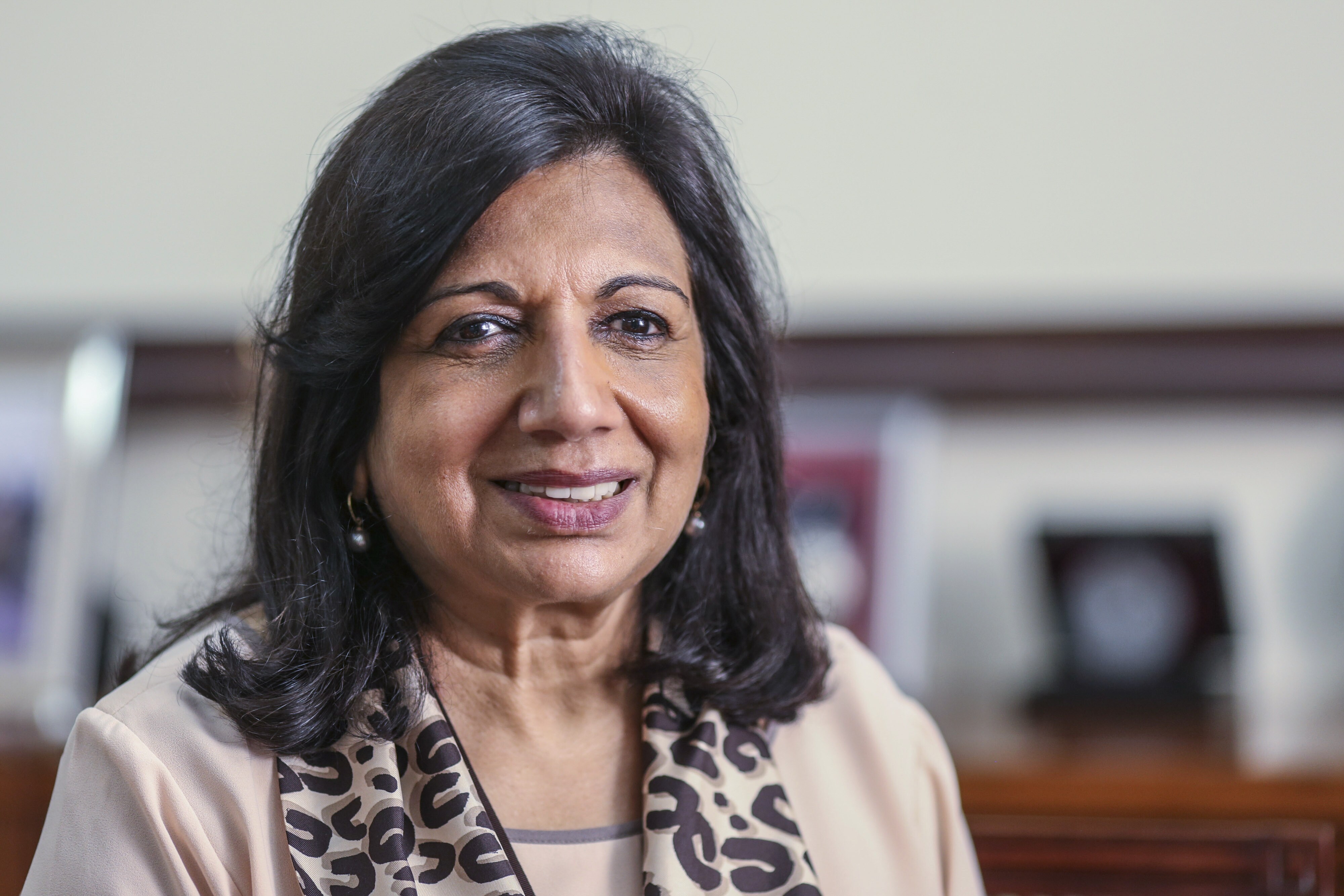
Kiran Mazumdar-Shaw was the only Indian in the list of the world's self-made women billionaires, which was dominated by China.
Mazumdar-Shaw, who founded the biopharmaceutical firm Biocon Ltd. and has a net worth of $3.5 billion, was ranked 11th in the Hurun Global Self Made Women Rich List for 2019 along with U.S.-based Judith Faulkner, founder of healthcare software company Epic Systems, and China's Zhong Huijuan of Hengrui Medicine.
The China Show
China dominated the list with 51 women, producing more than the half of world's self-made female billionaires. That comes even as the Chinese stock market slumped more than 20 percent this year and its domestic currency declined 6 percent, in 2018.
‘China Property Queen' Wu Yajun reclaimed her title of the world's richest self-made woman after seven years.
Here Are The Top Five Richest Self-Made Women
China's Wu Yajun topped the list with $9.8 billion, up 13 percent from last year. Wu, co-founder of real-estate firm Longfor Properties, was also a delegate to the last two sessions of the National People's Congress.
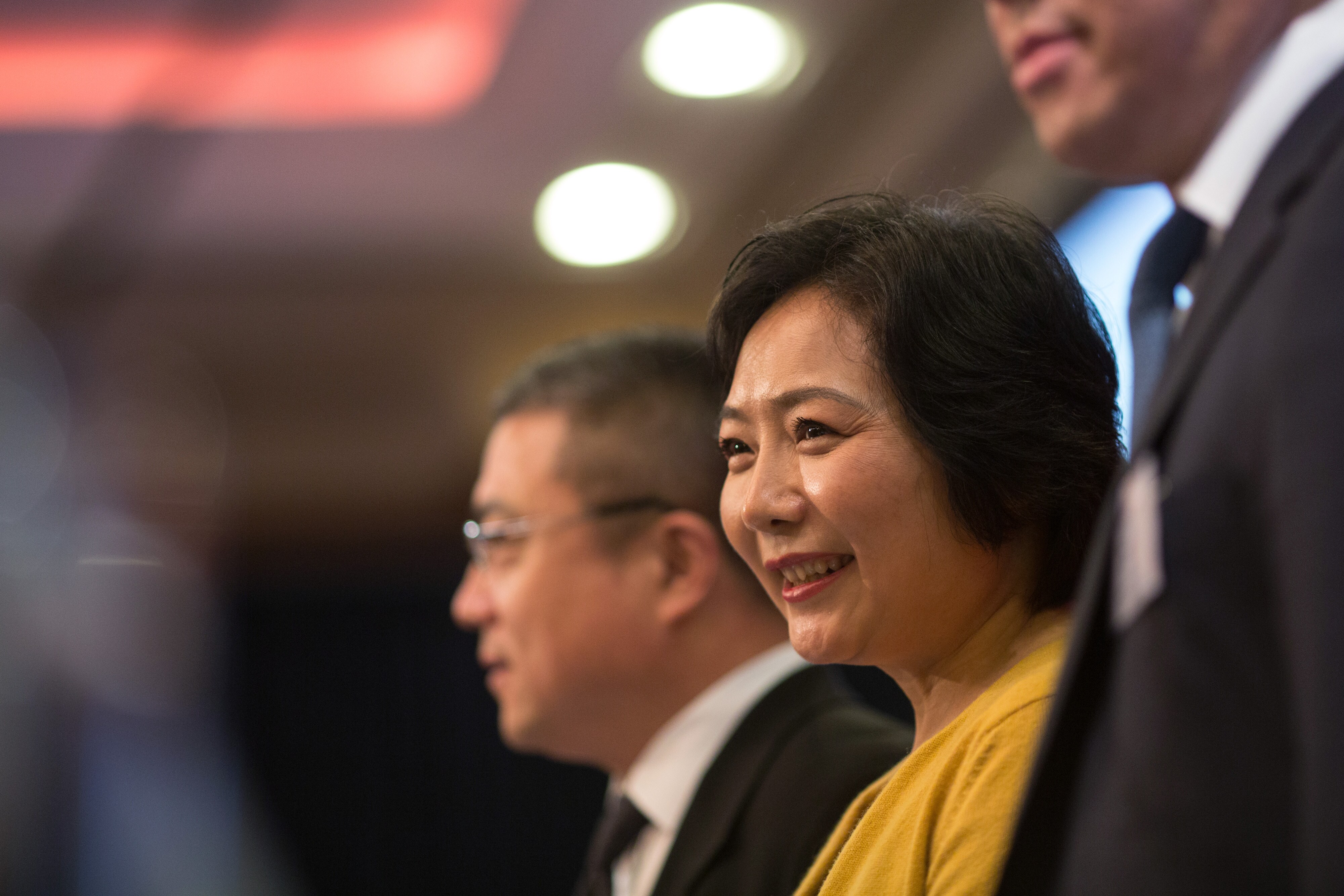
Diane Hendricks was ranked second with $7.5 billion in assets. She co-founded ABC Supply—the largest wholesale distributor of roofs and walls in the U.S.—with her late husband.

Chen Lihua, founder and chairman of Fuwah International, a Beijing-based commercial property developer, was tied at the second spot with a fortune of $7.5 billion.

Judy Love, the co-founder of the U.S.-based convenience store chain Love's Travel Stops & Country Stores, with a fortune of $6.2 billion was ranked fourth.
British businesswoman Dennis Coates, founder of the online betting firm Bet365.com, was ranked fifth with a wealth of $5.7 billion.

-
Indians Are Travelling, But Not Every Journey Is A Holiday | The Week In Whys

Pilgrims, patients and working women are the real travellers, and the system hasn't quite caught up with them.
-
Getting To Work Costs Women More | The Reason Why
It is not just about women paying more than men. It is about women paying much more in cities than in villages.
-
AI Bias In Investing Cannot Be Eliminated, But It Can Be Governed
Framing is a particularly important example as identical financial information presented in terms of gains rather than losses can lead an LLM to reach a different assessment.
-
Joining The Dots | Dark Skies, Steady Diya: Why Hope Holds This Diwali
With war, a weak rupee and foreign outflows weighing on sentiment, policymakers at the NDTV World Summit and market veterans at NDTV Profit Ignite: Diwali Edition offered the same advice: stay invested and filter out the noise.
-
The Curious Case of Equitas Small Finance Bank And A CEO Who Quit For Stock
PN Vasudevan believes persistent investor concerns over a perceived conflict of interest had become a governance overhang on Equitas Small Finance Bank's stock, even as the lender improved profitability and asset quality.
-
Talking Points This Week: AI Cash Burn, A Tiger Comeback And An India That Still Finds Its Own Path
India is not immune to higher oil or tighter global liquidity, yet its earnings base is broader, its domestic policy levers are still available.
-
Foreign Investors Own Half Of HDFC Bank and ICICI Bank. An LTCG Cut Could Matter Most Here
Foreign portfolio investors have US$115 billion parked in HDFC Bank, ICICI Bank. If the government cuts long-term capital gains tax, Jefferies says returning foreign money could land here first.
-
'Never Seen This Level Of Negativity': Sandeep Tandon Says The Next Rally May Be Closer Than You Think
Veteran investor Sandeep Tandon says foreign selling is easing, large-caps are due a comeback and mid-caps are crowded, while he turns positive on gold, power and pharma this Diwali.
-
Indians Stay With Family, Not In Hotels | The Reason Why
India still lacks enough clean, reliable and affordable hotels for budget-conscious travellers.
-
The Economic Imperative: Analysing The Material Driving Force Behind India-Canada Strategic Reset
This economic complementarity is further reinforced by deep institutional investment ties and talent mobility, which form the bedrock of the bilateral framework.










