US Credit Downgrade by Fitch Attacked as Baseless by Biden Officials

(Bloomberg) -- Biden administration officials objected strenuously to a decision by Fitch Ratings to strip the US of its top-tier credit rating on Tuesday and sought to control the political and economic fallout.
The decision by Fitch came two months after a bitter standoff on raising the US debt limit that underscored the difficulty Washington has in overcoming partisan warfare to perform the basic functions of government.
Administration officials late Tuesday insisted that US fiscal governance practices are strong. They said they unsuccessfully sought to talk Fitch out of the the downgrade ahead of the announcement.
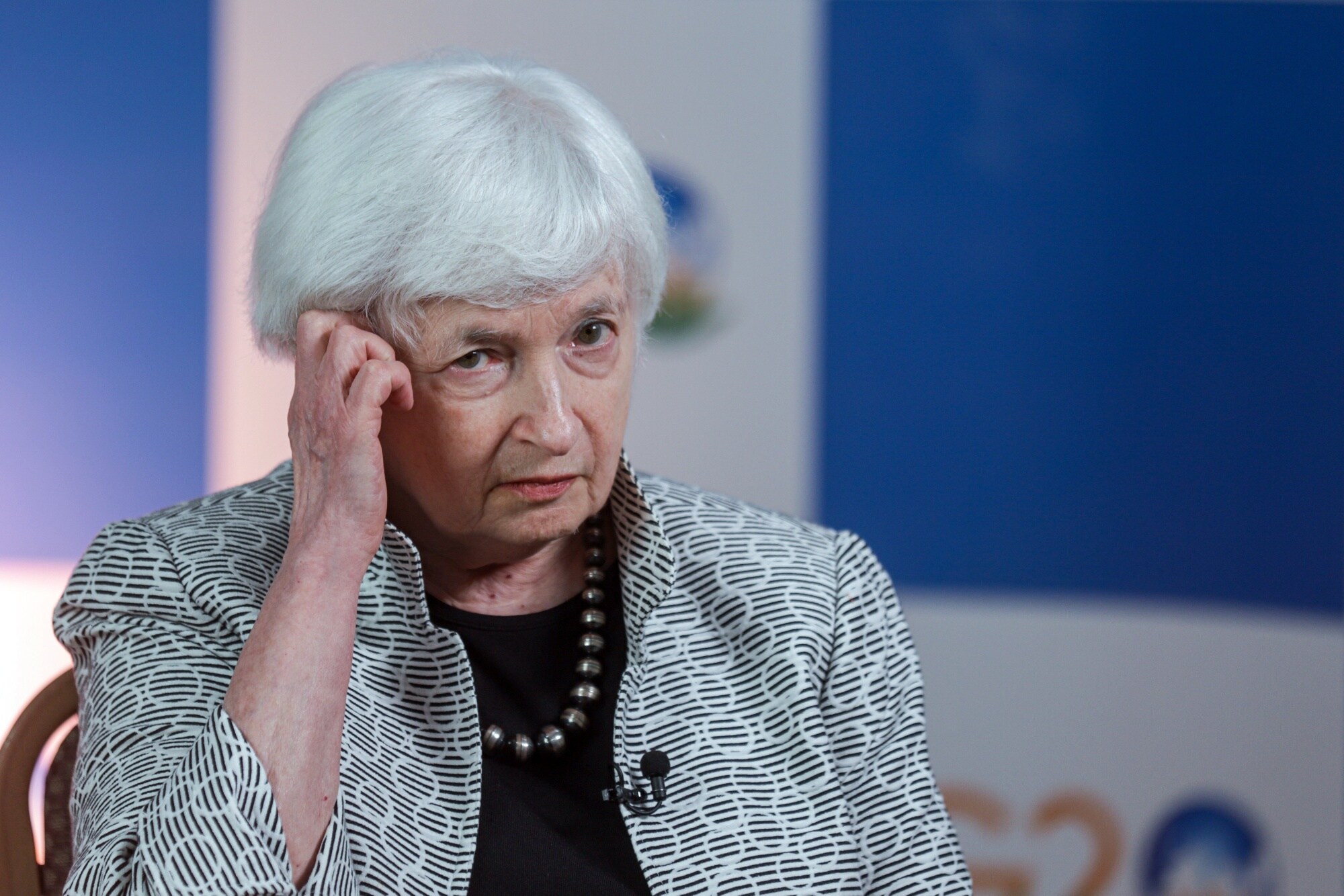
“Fitch's decision does not change what Americans, investors, and people all around the world already know: that Treasury securities remain the world's preeminent safe and liquid asset, and that the American economy is fundamentally strong,” Treasury Secretary Janet Yellen said in a statement.
Read More: US Stripped of Top Rating by Fitch in Echo of 2011 Move by S&P
On a call with reporters, other administration officials ripped the decision, calling it baseless and defying common sense. The officials said the downgrade was a reaction to reckless behavior under President Donald Trump, and came despite evidence the US economy continues to recover strongly from its sharp downturn during the Covid-19 pandemic.
The officials said the Fitch team in discussions ahead of the announcement repeatedly cited concerns about the impact of the Jan. 6, 2021, attack on the Capitol, when Trump supporters tried halt the certification of President Joe Biden's election. Trump was indicted Tuesday on federal criminal charges related to the attack and his efforts to overturn the election.
There is little chance the Fitch move will change the US policy outlook, which is more fiscal strife rather than stability. A government shutdown looms as soon as Oct. 1 as Republicans and Democrats battle over a $120 billion gap in spending levels for fiscal 2024.
There is no realistic action on the horizon to address the wider fiscal challenges Fitch mentions in its downgrade. Biden's budget proposal, which would use tax increases on corporations and the wealthy to reduce deficits, was dead on arrival in Congress this year. House Republicans and Senate Democrats have failed to produce their own budget resolutions in response.
Fitch cited a deterioration in US governance standards in its announcement. The ratings agency highlighted the debt-ceiling standoff and continued high deficits as reasons for its move, along with long-term funding challenges for Social Security and Medicare.
Market Fallout
The administration sought to tamp down any concerns about the impact, with officials predicting the downgrade would have minimal impact on real US borrowing costs.
Treasury futures pushed higher in early Asia trading after the announcement.
After S&P downgraded US credit in August 2011 following a debt-limit fight that took the country to the brink of default, stock indexes plunged but yields on US Treasury debt declined as investors shifted to safe assets. Ironically, that lowered borrowing costs for the US government.
The market response in 2011, however, unfolded amid a sovereign debt crisis in Europe, making US debt more attractive as a haven.
Read More: US Credit Downgrade Shouldn't Change Much But Timing Is Awkward
Tuesday's move by Fitch to downgrade the US from AAA, a ranking it has held with the credit assessor since at least 1994, is likely to reignite Washington's fiscal battles. And it comes as the US presidential campaign ramps up ahead of a 2024 election in which Biden's handling of the economy is expected to take center stage.
That provides a political mixed bag for Washington. Democrats in Congress seized on the downgrade to blame Republicans for holding up a US debt ceiling increase earlier this year in exchange for spending cuts. A debt payments default was narrowly avoided when Biden and House Speaker Kevin McCarthy struck a small-ball spending deal in late May.
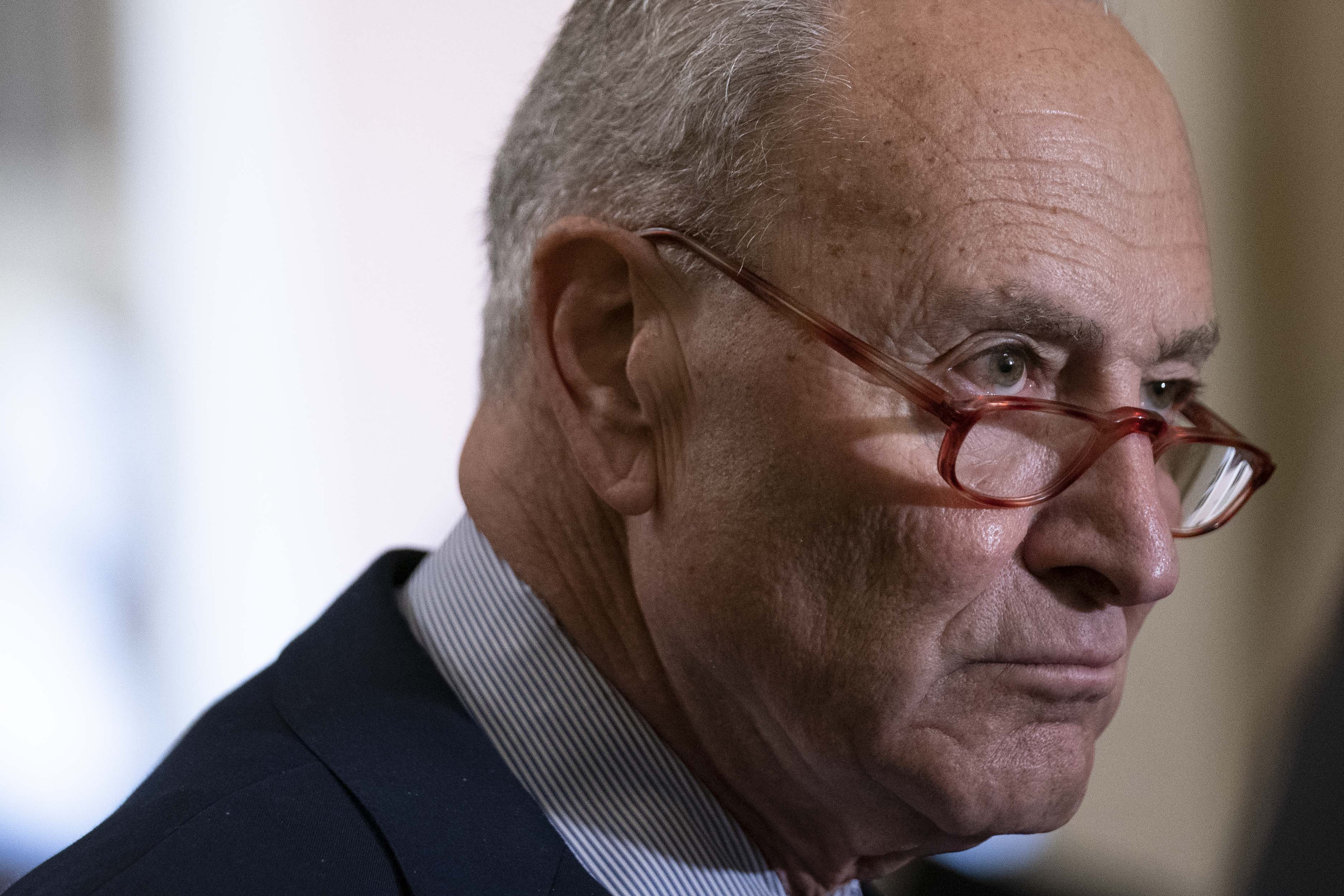
“The downgrade by Fitch shows that House Republicans' reckless brinkmanship and flirtation with default has negative consequences for the country. Republicans need to learn from their mistakes and never push our country to the brink of default again.” said Senate Majority Leader Chuck Schumer.
Republicans in contrast said the downgrade was just another example of Biden's mishandling of the economy.
House GOP campaign spokesman Jack Pandol, on the social media platform X, formerly known as Twitter, said the cause of downgrade was “Bidenomics.”
Biden has embraced the term Bidenomics to explain his economic agenda, crisscrossing the nation in recent weeks touting his administration's achievements in a bid to reverse polling which shows voters disapprove of his handling of the economy.
Democrats and the president were buoyed in recent weeks by data showing strong GDP growth, recession risks receding, a manufacturing boom, and historically high inflation easing.
Fiscal Deadlock
There is no sign of progress on long-term US fiscal challenges. On Social Security, neither party has put forward a plan to address a shortfall in the trust fund that threatens a cut in benefits in the next decade. Proposals by Biden fail to fully address the stability of the Medicare trust fund.
Future debt ceiling standoffs also look inevitable. The recent debt deal set up another showdown sometime after Jan. 1, 2025. The White House has created an internal task force to come up with ways to avoid another debt-ceiling crisis, but the panel does not have buy-in from Republicans, who argue that the ceiling proved a useful tool again this year to force spending cuts.
The GOP is preparing if it wins full power in the next election to devote an estimated $3.5 trillion to extend tax cuts passed under the Trump administration, potentially further eroding the US fiscal picture.
“Today's downgrade should be a wake-up call,” said Maya MacGuineas, president of the budget watchdog Committee for a Responsible Federal Budget. “Whether one agrees with Fitch's decision to downgrade the United States government or not, we are clearly on an unsustainable fiscal path. We need to do better.”
More stories like this are available on bloomberg.com
©2023 Bloomberg L.P.

-
Signature Play: The Classic Cocktail Is Dead. Or Is It?

Classic cocktails are disappearing from India's cocktail menus. But they're still being ordered, taught to bartenders and borrowed from. So, who's really having the last drink?
-
A New Samvat Wishlist: Inclusive Prosperity And Human Development
India has strengthened its economic foundations through infrastructure, digital access and enterprise. Its next growth chapter must deepen productivity, create better livelihoods and widen participation in prosperity.
-
Love, Sex Aur Dhokha: The Audacious Plot To Spy On Jensen Huang
A Taipei dinner, a Singapore chip buyer and a suspected Chinese asset: inside the alleged spy operation that got close to NVIDIA's Jensen Huang.
-
Ten Things I Learnt This Samvat
Patience can be a trap. Cheap stocks can stay cheap. Leverage can wipe you out. What did Samvat 2082 teach us? Niraj Shah writes on 10 lessons from the year gone by.
-
Talking Points This Week: Tech Nerves, FII Buying, And A Faraway Banking Shock
The global markets are not shining this Diwali. The exception in the large markets is, India.
-
Midterm Rally Lasted A Day. The Hard Reality Of A Divided US May Last Two Years | Opinion
Between a contested AI boom, a debt ceiling that arrives in 2027 and a president with every incentive to act alone, the next two years may prove more volatile than the first day's rally suggests.
-
Blue Wave Will Derail the AI Trade but Won't Dismantle the AI Era | Unhedged Position
The Democrats' sweep of the US Congress will see politics collide with economic forces both over the long and short term.
-
It's Time To Take The GST Council's Bet On Trust Global
Payment records can prove India's services exports, and clear, proportionate rules can bring foreign digital sellers into the tax net.
-
Opinion | India at 38: From Innovation Overperformer to Innovation Powerhouse
India now has 453 VC-backed deep science startups, 18 of them late-stage, after 117 percent growth since 2020. Laurus Labs, at USD 9.3 billion, is the most valuable deep science company in any middle-income economy outside China.









