Bharti Infratel-Indus Tower Merger Explained
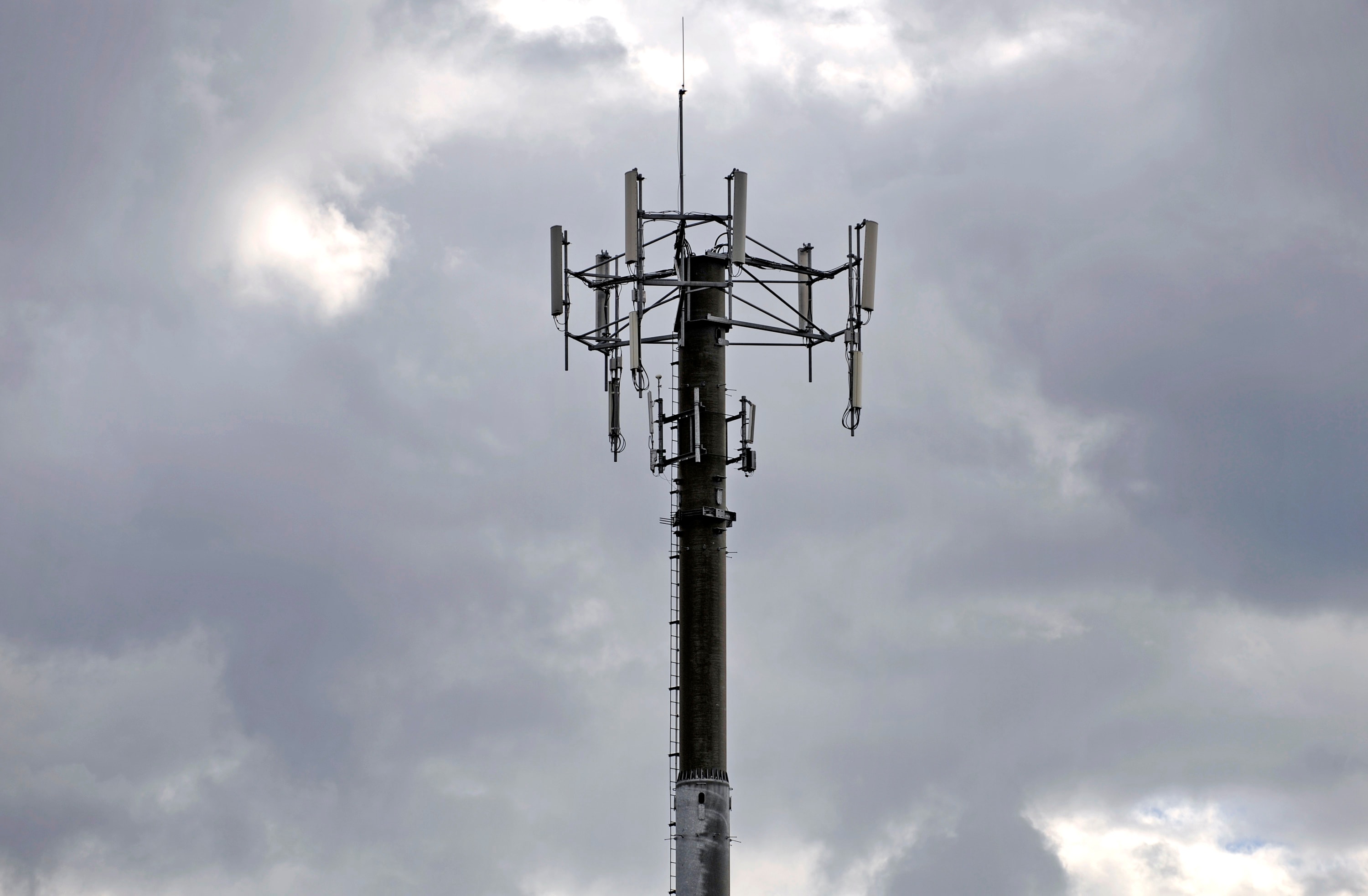
Bharti Airtel Ltd., India's largest telecom operator, approved the merger of its tower unit and unlisted Indus Towers Ltd. to create the largest tower company outside China.
Indus Towers is 42 percent owned by Bharti Infratel and Vodafone Plc. each, while Idea Cellular Ltd. holds 11.15 percent. The rest is held by private equity firm Providence. It's the largest tower company in India with close to 27 percent market share. For the year ended March, its revenue was close to Rs 18,700 crore, nearly three times the standalone sales of Bharti Infratel.
The Deal Math
Bharti Infratel will offer 1,565 shares for every one share of Indus Towers, its parent Bharti Airtel said in an exchange filing. That's because Indus Towers is a much larger entity and its equity base is very low.
However, Indus Towers' derived valuation is nearly on a par with Bharti Infratel.
Considering Bharti Infratel's Tuesday closing price and the share swap ratio, the equity value of Indus Towers stands around Rs 61,358 crore.


Shareholding Structure
The merged entity will be jointly promoted by Bharti Airtel and Vodafone Group, while Idea Cellular and Providence have the option to either sell their stake in Indus Towers or acquire shares in the merged entity. Idea Cellular can fully exit while Providence can sell only part of it.
If Idea & Providence Don't Exit
Sunil Mittal-led Bharti Airtel, which currently owns 53.5 percent in its tower arm, will own close to 34 percent in the merged entity. Public shareholders of Bharti Infratel will own close to 29 percent.

If Idea & Providence Exit
Bharti Airtel's holding will be at 37 percent in the merged entity, while the public shareholders of Bharti Infratel will own close to 32 percent.

Allowing Idea Cellular to fully sell its stake and a partial exit to Providence could cost Bharti Infratel close to Rs 8,500 crore, making it a net debt company.
The chances of Idea Cellular exiting the company are high as the merger agreement with Vodafone India said it will be monetising its stake in Indus Towers.
Stronger Together
With more than 1,63,000 towers and 3,67,000 tenants, the combined entity's tower share in the tower market will be close to 35 percent, according to the data compiled by BloombergQuint. It's share in the tenant market will be close to 45-48 percent.
The tenancy ratio – the number of tenants or operators who have put up their antennae on the towers – for the merged entity will be close to 2.25 times, ahead of the industry average of nearly 2 times.

Overlapping Markets
Bharti Infratel and Indus Towers have overlapping operations in four circles – Haryana, Uttar Pradesh (West), Uttar Pradesh (East) and Rajasthan. The overlap in areas of operation may mean that merger synergies are limited but will complete tower footprints across India.

Financials
The merged entity will save close to Rs 500 crore as dividend distribution tax, said Bharti Infratel in its post-earnings conference call. Merger could also result in operational savings of close to Rs 50-60 crore and economies of scale could bring down the combined entity's capital expenditure.
The combined entity had a turnover of more than Rs 25,000 crore in the year ended March, with margins of close to 43 percent.

Why The Merger
Bharti Airtel, Vodafone India Ltd. and Idea Cellular Ltd. have been looking to cut their stake in tower businesses to fund core operations. That's because their earnings have been under pressure ever since Mukesh Ambani's Reliance Jio Infocomm Ltd. unleashed a tariff war.
Bharti Airtel has so far sold 18.5 percent stake in Bharti Infratel in different tranches for close to Rs 12,000 crore. Earlier this year, Vodafone India and Idea Cellular also sold their own tower assets to ATC India for close to Rs 7,850 crore.
The merger of Bharti Infratel and Indus Towers will help unlock value and provide Idea Cellular an exit. Vodafone Group will also have the option to selling its shares in the open market in the future.

-
Getting To Work Costs Women More | The Reason Why

It is not just about women paying more than men. It is about women paying much more in cities than in villages.
-
AI Bias In Investing Cannot Be Eliminated, But It Can Be Governed
Framing is a particularly important example as identical financial information presented in terms of gains rather than losses can lead an LLM to reach a different assessment.
-
Joining The Dots | Dark Skies, Steady Diya: Why Hope Holds This Diwali
With war, a weak rupee and foreign outflows weighing on sentiment, policymakers at the NDTV World Summit and market veterans at NDTV Profit Ignite: Diwali Edition offered the same advice: stay invested and filter out the noise.
-
The Curious Case of Equitas Small Finance Bank And A CEO Who Quit For Stock
PN Vasudevan believes persistent investor concerns over a perceived conflict of interest had become a governance overhang on Equitas Small Finance Bank's stock, even as the lender improved profitability and asset quality.
-
Talking Points This Week: AI Cash Burn, A Tiger Comeback And An India That Still Finds Its Own Path
India is not immune to higher oil or tighter global liquidity, yet its earnings base is broader, its domestic policy levers are still available.
-
Foreign Investors Own Half Of HDFC Bank and ICICI Bank. An LTCG Cut Could Matter Most Here
Foreign portfolio investors have US$115 billion parked in HDFC Bank, ICICI Bank. If the government cuts long-term capital gains tax, Jefferies says returning foreign money could land here first.
-
'Never Seen This Level Of Negativity': Sandeep Tandon Says The Next Rally May Be Closer Than You Think
Veteran investor Sandeep Tandon says foreign selling is easing, large-caps are due a comeback and mid-caps are crowded, while he turns positive on gold, power and pharma this Diwali.
-
Indians Stay With Family, Not In Hotels | The Reason Why
India still lacks enough clean, reliable and affordable hotels for budget-conscious travellers.
-
The Economic Imperative: Analysing The Material Driving Force Behind India-Canada Strategic Reset
This economic complementarity is further reinforced by deep institutional investment ties and talent mobility, which form the bedrock of the bilateral framework.
-
Medicine Pricing: Where Must Profit Stop?
India must confront excessive margins, hidden incentives and regulatory gaps that threaten the integrity of medicine.










