Automakers Seek Delays, Exemptions To Government's Planned New Rules For Parts: Report
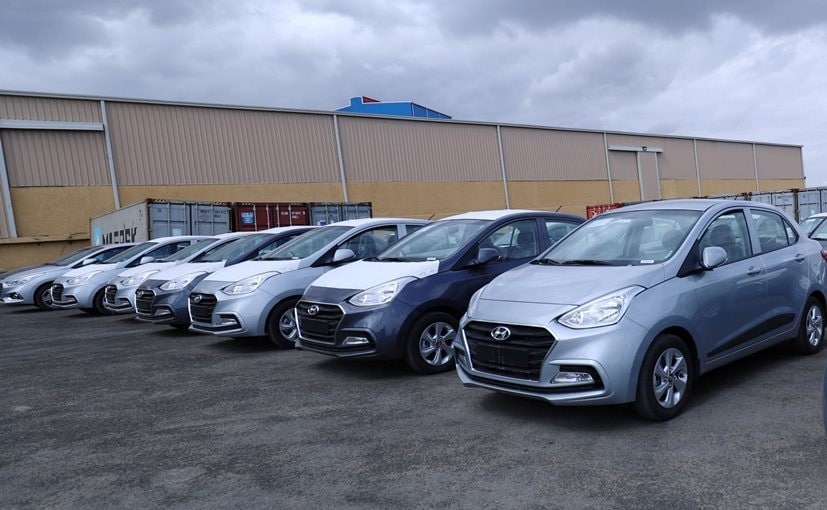
Foreign automakers are seeking delays and exemptions to government's planned new quality rules for imported auto parts, arguing the regulations will increase costs, hurt sales and disrupt supply chains, sources with direct knowledge of the matter told Reuters.
Prime Minister Narendra Modi is keen to reduce imports to boost local manufacturing to make India more self-sufficient and enable it to play a bigger role in the global supply chain. That said, the move is seen mainly aimed at slashing the amount of lower-quality imports from China.
"There is short term pain but there is long term gain," Commerce Minister Piyush Goyal told an auto convention last week, saying India has become a dumping ground for low-quality goods by not having standards similar to other countries.
New rules mandating stricter quality checks have been flagged in stages for various auto parts since early this year and tighter regulations for wheel rims could be introduced as soon as October, according to a draft government notice.
All automakers will have to comply, but foreign premium brands such as Daimler's Mercedes-Benz, BMW and Audi will suffer most as they have the highest ratio of imported parts, four auto executives told Reuters.
"It's just an additional compliance burden and will not lead to higher local production because the volumes for luxury are too small to achieve economies of scale," said one of the executives.
The sources declined to be identified, citing sensitive negotiations with the government.
Short Timelines
Luxury carmakers account for less than 1 per cent of India's annual passenger car sales in terms of volume although they contribute roughly 10 per cent in terms of revenue.
Executives from premium German brands as well as Volkswagen AG, Ford Motor Co and Toyota Motor Corp have held several rounds of talks with government officials in recent weeks, sources said.
Martin Schwenk, head of Mercedes-Benz India, said in a statement to Reuters that additional requirements "will make low volume business unviable". His company is requesting a "reasonable time line for mid to long term implementation, and exemptions for low volume manufacturers in the short-term."
Volkswagen Group's India unit also said in a statement that for premium vehicles it was not possible to localise a "majority of components or spares as the total size of market is marginal".
Toyota's India unit is working to meet the rules but the timelines are too short, a spokesperson said.
It also wants an exemption for limited, direct car imports which the company says are typically made to test new models and technologies in the market before deciding whether to manufacture them locally.
Other automakers named in this article did not respond to Reuters requests for comment.
Automakers are also lobbying through the Society of Indian Automobile Manufacturers (SIAM) which sources say is seeking up to a year to comply with the rules for higher volume vehicles where parts can be sourced locally.
The industry body is also seeking exemptions for low volume cars such as luxury models and for parts which automakers directly import as opposed to parts imported by trading companies and by vendors in the after-sales market, the sources said.
In addition to those lobbying efforts, Volkswagen, Mercedes and BMW also held a meeting with the German ambassador in New Delhi in July to apprise him of the issue, sources said.
Unwelcome Complexity
The draft government notice for wheel rims calls for new rules to go into effect from Oct. 1 and includes a requirement that there be an audit of the plant where the rims are made. That would be difficult with current travel restrictions in place due to the COVID-19 pandemic, sources said.
It was not clear when the draft notice might be finalised.
To receive a shipment of imported cars or knocked-down car kits an order needs to be placed with global headquarters at least four months in advance, executives at two automakers said.
"If there is no clarity, the headquarters will not take new orders and sales will suffer," said one of the executives.
From April 1, 2021 similar rules will apply to windshields and other safety glass. In June, India also made it mandatory for companies to get a licence to import certain types of tyres.
"This is against every tenet of ease of doing business," said a senior auto executive, noting the new rules come at a time when the pandemic has hit revenue and demand, and could discourage further investment in India.
"Much more than the cost it is the complexity which affects the willingness of global companies to continue selling affected car models in India," the executive said.

-
AI Bias In Investing Cannot Be Eliminated, But It Can Be Governed

Framing is a particularly important example as identical financial information presented in terms of gains rather than losses can lead an LLM to reach a different assessment.
-
Joining The Dots | Dark Skies, Steady Diya: Why Hope Holds This Diwali
With war, a weak rupee and foreign outflows weighing on sentiment, policymakers at the NDTV World Summit and market veterans at NDTV Profit Ignite: Diwali Edition offered the same advice: stay invested and filter out the noise.
-
The Curious Case of Equitas Small Finance Bank And A CEO Who Quit For Stock
PN Vasudevan believes persistent investor concerns over a perceived conflict of interest had become a governance overhang on Equitas Small Finance Bank's stock, even as the lender improved profitability and asset quality.
-
Talking Points This Week: AI Cash Burn, A Tiger Comeback And An India That Still Finds Its Own Path
India is not immune to higher oil or tighter global liquidity, yet its earnings base is broader, its domestic policy levers are still available.
-
Foreign Investors Own Half Of HDFC Bank and ICICI Bank. An LTCG Cut Could Matter Most Here
Foreign portfolio investors have US$115 billion parked in HDFC Bank, ICICI Bank. If the government cuts long-term capital gains tax, Jefferies says returning foreign money could land here first.
-
'Never Seen This Level Of Negativity': Sandeep Tandon Says The Next Rally May Be Closer Than You Think
Veteran investor Sandeep Tandon says foreign selling is easing, large-caps are due a comeback and mid-caps are crowded, while he turns positive on gold, power and pharma this Diwali.
-
Indians Stay With Family, Not In Hotels | The Reason Why
India still lacks enough clean, reliable and affordable hotels for budget-conscious travellers.
-
The Economic Imperative: Analysing The Material Driving Force Behind India-Canada Strategic Reset
This economic complementarity is further reinforced by deep institutional investment ties and talent mobility, which form the bedrock of the bilateral framework.
-
Medicine Pricing: Where Must Profit Stop?
India must confront excessive margins, hidden incentives and regulatory gaps that threaten the integrity of medicine.
-
Why Amazon And Flipkart Are Struggling To Beat Meesho In India's Smaller Cities
With 274 million users and lowest-cost logistics, Meesho is defending its value commerce crown against giants like Amazon and Flipkart.










