Asia Set For Biggest Refining Capacity Jump In Three Years
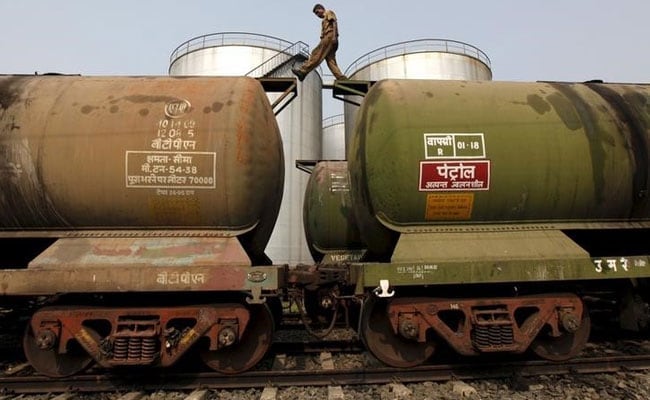
Singapore: Asia will post its biggest net refining capacity addition in three years in 2017, further boosting demand for crude in the world's biggest and fastest growing oil consuming region.
New and expanded refineries from China to India will offset closures in Japan, adding a net 450,000 barrels per day (bpd) of crude processing capacity in 2017, the highest since 2014, energy consultancy Wood Mackenzie says.
The increase amounts to about an additional 1.5 per cent of refining capacity on top of Asia's total installed capacity of nearly 29 million bpd, Thomson Reuters Eikon data shows.
"Heavy crude demand in particular is expected to rise in 2017 as more Asian facilities undergo upgrading and new ... refineries come online," said Sushant Gupta, WoodMac's Asia research director for refining.
The rise in capacity will tighten Asia's crude market as it coincides with planned output cuts by oil producers like the Organization of Petroleum Exporting Countries (OPEC) and Russia in a bid to end oversupply and prop up prices.
China National Offshore Oil Corp (CNOOC) plans to start a new 200,000-bpd refinery in southern China, while PetroChina aims to start a 260,000-bpd refinery in Yunnan, pending talks with the Myanmar government.
Chinese independent refiners are also expected to import an extra 200,000-400,000 bpd of crude, research consultancy Energy Aspects estimates, and an upgrade by Taiwan's CPC at its Talin refinery will raise crude and condensate demand by 100,000 bpd.
Vietnam is due to complete a new 200,000-bpd refinery, while India's Bharat Petroleum Corp Ltd is trialling an expansion in Kochi that will include a new 210,000-bpd crude oil distillation unit.
These additions will more than offset a 400,000 bpd decline in refining capacity in Japan by early April due to shrinking local demand, according to Wood Mackenzie.
To meet Asian demand, Iraq has already inked new Basra Heavy deals, while Iran expects to complete a pipeline and terminal to export heavy crude West Kharoon next year.
Kuwait said it is preparing to restart production from oilfields jointly operated with Saudi Arabia.
"We expect a slow ramp up of production from mid-2017. Both Saudi Arabia and Kuwait will have to manage this growth within their agreed OPEC production cuts," WoodMac's Mr Gupta said.
Still, traders see no outright supply shortage for Asian refineries, as OPEC is shielding most of its Asian customers from the planned cuts.
Alternative crude supplies are also available, including heavy crude from Latin America and Angola, as well as shale supplies from the US.

-
Indians Are Travelling, But Not Every Journey Is A Holiday | The Week In Whys

Pilgrims, patients and working women are the real travellers, and the system hasn't quite caught up with them.
-
Getting To Work Costs Women More | The Reason Why
It is not just about women paying more than men. It is about women paying much more in cities than in villages.
-
AI Bias In Investing Cannot Be Eliminated, But It Can Be Governed
Framing is a particularly important example as identical financial information presented in terms of gains rather than losses can lead an LLM to reach a different assessment.
-
Joining The Dots | Dark Skies, Steady Diya: Why Hope Holds This Diwali
With war, a weak rupee and foreign outflows weighing on sentiment, policymakers at the NDTV World Summit and market veterans at NDTV Profit Ignite: Diwali Edition offered the same advice: stay invested and filter out the noise.
-
The Curious Case of Equitas Small Finance Bank And A CEO Who Quit For Stock
PN Vasudevan believes persistent investor concerns over a perceived conflict of interest had become a governance overhang on Equitas Small Finance Bank's stock, even as the lender improved profitability and asset quality.
-
Talking Points This Week: AI Cash Burn, A Tiger Comeback And An India That Still Finds Its Own Path
India is not immune to higher oil or tighter global liquidity, yet its earnings base is broader, its domestic policy levers are still available.
-
Foreign Investors Own Half Of HDFC Bank and ICICI Bank. An LTCG Cut Could Matter Most Here
Foreign portfolio investors have US$115 billion parked in HDFC Bank, ICICI Bank. If the government cuts long-term capital gains tax, Jefferies says returning foreign money could land here first.
-
'Never Seen This Level Of Negativity': Sandeep Tandon Says The Next Rally May Be Closer Than You Think
Veteran investor Sandeep Tandon says foreign selling is easing, large-caps are due a comeback and mid-caps are crowded, while he turns positive on gold, power and pharma this Diwali.
-
Indians Stay With Family, Not In Hotels | The Reason Why
India still lacks enough clean, reliable and affordable hotels for budget-conscious travellers.
-
The Economic Imperative: Analysing The Material Driving Force Behind India-Canada Strategic Reset
This economic complementarity is further reinforced by deep institutional investment ties and talent mobility, which form the bedrock of the bilateral framework.










