As RBI Rate Cut Hopes Grow, Some Analysts Warn Of Going Too Far
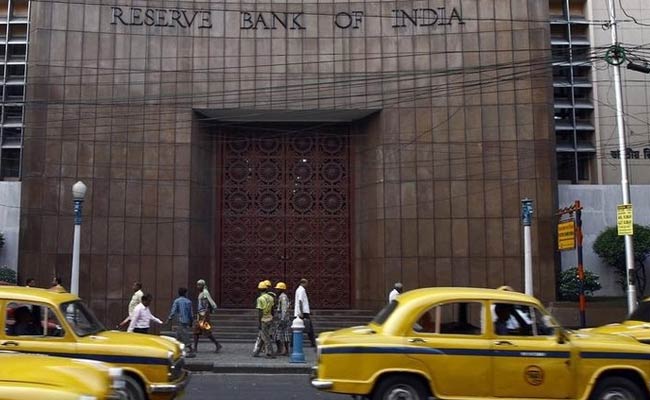
Mumbai/London: The Reserve Bank of India is widely expected to cut interest rates on Wednesday as the economy reels from an unexpected clampdown on cash, but foreign investors will be looking for some assurance that new central bank Governor Urjit Patel has firm control over monetary policy.
Most economists believe the RBI will cut the repo rate by 25 basis points (bps) to a six-year low of 6.00 per cent at a policy review, and follow that with at least one easing next year after the scrapping of high-value bank notes severely curbed consumer demand.
Prime Minister Narendra Modi stunned the country on November 8 by banning banknotes that accounted for 86 per cent of currency in circulation to draw down on the shadow economy.
But the new rate outlook is a concern to some foreign analysts and investors who had been comforted by the high-profile drive to tame inflation under previous Governor Raghuram Rajan.
"Patel has a very strong academic background and he was leading proponent of the inflation targeting regime, so we should give him the benefit of doubt," said Manik Narain, emerging markets strategist at UBS in London.
"But if they cut rates again (this week) it could give markets a reason to believe there is political pressure on him," said Mr Narain, who does not see the need for an imminent cut.
Monetary policy is no longer the sole purview of the RBI governor. Instead, it rests with a six-member panel, but Mr Patel still gets the tie-breaking vote and steers discussions.
The committee - three officials from the central bank, including Mr Patel, and three independent members appointed by a government panel - voted 6-0 to cut rates at its inaugural meeting in October.
Mr Patel has given only one speech and two media interviews since the last policy meeting in October, in sharp contrast to Mr Rajan who took an active role in times of economic and market pressure.
The lack of public communication, including since the demonetisation, puts Mr Patel at risk of two things, said David Cornell, chief investment officer at Ocean Dial in London which runs India-focused funds.
"First, if the market does not hear from him, they may think he is not on top of things. Second, by not coming out and talking about this he may give people the impression he is in Mr Narendra Modi's pocket and not as independent as his predecessor was."
Benefit of doubt
The RBI decision comes as India faces a tougher environment at home and abroad. As part of the broad move out of emerging markets after Donald Trump's election victory, foreign investors sold a net $2.1 billion in Indian debt in November.
That pushed the rupee to a record low against the dollar, which could also add pressure on inflation, even though it eased to 4.2 per cent in October, below the RBI's target of 5 per cent by March 2017.
While the economy grew an annual 7.3 per cent between July and September - the fastest rate for a large economy in the world, analysts warn the impact from demonetisation may well last through 2018.
So any signal of an aggressive easing bias may raise concerns about the commitment to the inflation target.
Still, India largely remains an appealing story among emerging markets given its low current account deficit and ongoing reforms - and some investors say they are willing to give the RBI the benefit of the doubt.
"So far we are not there, so let's give him the benefit of doubt. He does have big shoes to fill as Rajan was so credible," said Salman Ahmed, chief global strategist at Lombard Odier Investment Asset Management in London.

-
Indians Are Travelling, But Not Every Journey Is A Holiday | The Week In Whys

Pilgrims, patients and working women are the real travellers, and the system hasn't quite caught up with them.
-
Getting To Work Costs Women More | The Reason Why
It is not just about women paying more than men. It is about women paying much more in cities than in villages.
-
AI Bias In Investing Cannot Be Eliminated, But It Can Be Governed
Framing is a particularly important example as identical financial information presented in terms of gains rather than losses can lead an LLM to reach a different assessment.
-
Joining The Dots | Dark Skies, Steady Diya: Why Hope Holds This Diwali
With war, a weak rupee and foreign outflows weighing on sentiment, policymakers at the NDTV World Summit and market veterans at NDTV Profit Ignite: Diwali Edition offered the same advice: stay invested and filter out the noise.
-
The Curious Case of Equitas Small Finance Bank And A CEO Who Quit For Stock
PN Vasudevan believes persistent investor concerns over a perceived conflict of interest had become a governance overhang on Equitas Small Finance Bank's stock, even as the lender improved profitability and asset quality.
-
Talking Points This Week: AI Cash Burn, A Tiger Comeback And An India That Still Finds Its Own Path
India is not immune to higher oil or tighter global liquidity, yet its earnings base is broader, its domestic policy levers are still available.
-
Foreign Investors Own Half Of HDFC Bank and ICICI Bank. An LTCG Cut Could Matter Most Here
Foreign portfolio investors have US$115 billion parked in HDFC Bank, ICICI Bank. If the government cuts long-term capital gains tax, Jefferies says returning foreign money could land here first.
-
'Never Seen This Level Of Negativity': Sandeep Tandon Says The Next Rally May Be Closer Than You Think
Veteran investor Sandeep Tandon says foreign selling is easing, large-caps are due a comeback and mid-caps are crowded, while he turns positive on gold, power and pharma this Diwali.
-
Indians Stay With Family, Not In Hotels | The Reason Why
India still lacks enough clean, reliable and affordable hotels for budget-conscious travellers.
-
The Economic Imperative: Analysing The Material Driving Force Behind India-Canada Strategic Reset
This economic complementarity is further reinforced by deep institutional investment ties and talent mobility, which form the bedrock of the bilateral framework.










