As RBI Goes On Offensive, Government Yet To (Officially) Respond
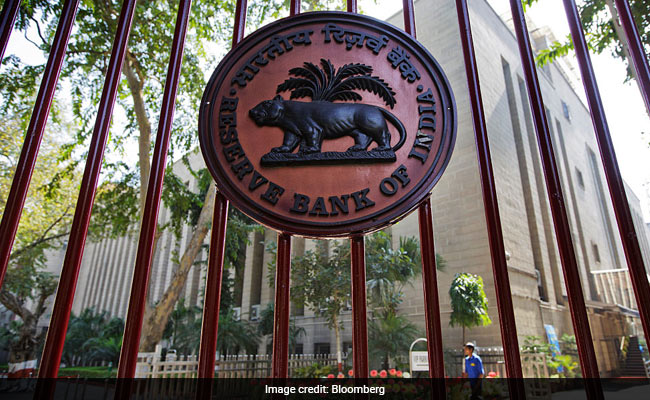
A growing rift between the Reserve Bank of India and the government has been many months in the making.
In the latest move, the RBI made its disagreement with authorities public in a hard-hitting speech by Deputy Governor Viral Acharya on Friday -- which he said had the backing of Governor Urjit Patel -- defending the central bank's independence. Failure to do so would "incur the wrath of financial markets," he said.
The government has yet to respond officially to the comments.
From a banking crisis to interest rates, the RBI has often found itself on opposing sides to government officials this year. Here are some of the top reasons that have driven a wedge between them:
Weak Banks
In an attempt to clean up the banking system, the RBI ring-fenced weak state-run banks. Currently, a total 12 banks -- 11 in the public sector and one in the private sector-- are under the so-called prompt corrective action framework that places curbs on lending, expanding branch network and dividend distribution.
The government wants some of these strictures to be eased so that banks can kick start lending and support growth.
Mr Acharya said the restrictions were "indeed the required medicine to prevent further hemorrhaging of their balance sheet." Some of these weak banks are slowly being nursed to health, he added.
Bad Loans
The RBI has been waging a multi-year campaign to get state lenders to recognize soured loans and has been leaning on bank managers to cut off credit to "willful defaulters" - borrowers who have stopped servicing their debt even though they have the ability to pay.
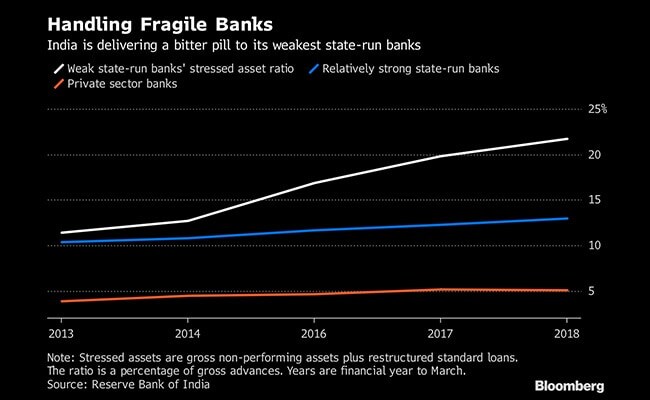
As part of that attempt, the RBI earlier this year introduced new rules forcing lenders to declare a delinquent borrower even if payments were overdue by a day. That was aimed at easing mounting bad loans, particularly from the power sector.
Government officials along with those from the power sector have been lobbying the central bank to ease those norms, but with little success. Last month, the top court ordered lenders to temporarily halt the start of bankruptcy proceedings against power producers considered delinquent borrowers.
More Money
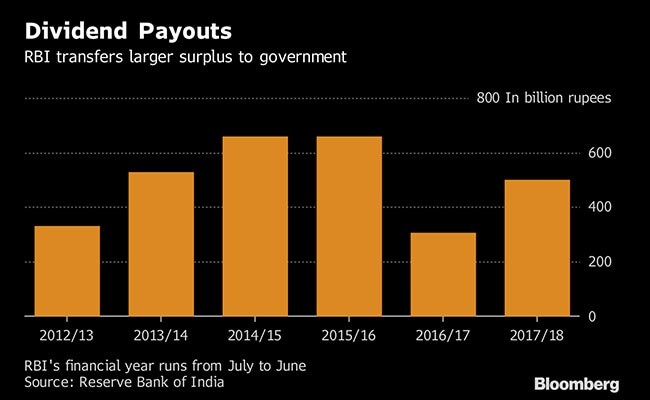
The government is of the view that the RBI should part with most, if not all, of its profit as dividend. The central bank opposes this idea and says the government is undermining its independence by asking for a greater share of surplus at a time when there is a need to make the RBI's balance sheet stronger.
"Having adequate reserves to bear any losses that arise from central bank operations and having appropriate rules to allocate profits including rules that govern the accumulation of capital and reserves is considered an important part of central bank's independence from the government," Mr Acharya said on Friday.
A transfer of more dividends helps the government meet its budget targets. Last year, the RBI parted with Rs 10,000 crore ($1.36 billion) more as interim dividend.
Payments Regulator
The RBI opposes an inter-ministerial panel's recommendation for the creation of a separate payments regulator. According to the RBI, the payments regulatory board must remain with the Reserve Bank and headed by the governor, citing the international model.
"The composition of the PRB is also not in conformity with the announcements made in the Finance Bill," the RBI said in a dissent note published on Oct. 19.
Inflation Model
Last year, then-Chief Economic Adviser Arvind Subramanian criticized forecasting errors by the inflation-targeting central bank, which he said are "large and systematically one-sided in overstating inflation." Those comments came after members of the Monetary Policy Committee headed by Mr Patel didn't attend a meeting with finance ministry officials before a policy rate meeting.
Inflation has recently undershot the RBI's projections but the central bank has shifted its policy stance toward tightening.

-
We May Need Another Tukaram Mundhe To Fight Air Pollution | The Reason Why

Developers may install basic measures such as sprinklers and green nets, resume work, and continue violating rules when this equipment stops working.
-
Extracting Value From Battery Scrap Could Be Challenging For India | The Reason Why
A discarded lithium-ion battery still contains valuable materials such as lithium, nickel and cobalt. These can be recovered and reused. When such batteries are crushed and shredded, they produce a dark powder called black mass.
-
One El Nino, India Can Handle. Two Could Break The Granary
India's grain stocks can absorb one bad year, but a second El Nino could drain the buffer in two to three years, economists say.
-
India's Troika Of Good Luck | Joining The Dots
As Jensen Huang's exit drags Nvidia down, a cooling AI trade and resilient earnings have revived investor interest in India. A likely RBI rate hike looms.
-
Talking Points This Week: Leadership Shock At Nvidia, Earnings Strength, And The Fog Over Hormuz
The Anthropic IPO pricing and first trading day, Nvidia's upcoming earnings, and any fresh signals from Iran will set the tone for the following week.
-
Signature Play: The Classic Cocktail Is Dead. Or Is It?
Classic cocktails are disappearing from India's cocktail menus. But they're still being ordered, taught to bartenders and borrowed from. So, who's really having the last drink?
-
A New Samvat Wishlist: Inclusive Prosperity And Human Development
India has strengthened its economic foundations through infrastructure, digital access and enterprise. Its next growth chapter must deepen productivity, create better livelihoods and widen participation in prosperity.
-
Love, Sex Aur Dhokha: The Audacious Plot To Spy On Jensen Huang
A Taipei dinner, a Singapore chip buyer and a suspected Chinese asset: inside the alleged spy operation that got close to NVIDIA's Jensen Huang.
-
Ten Things I Learnt This Samvat
Patience can be a trap. Cheap stocks can stay cheap. Leverage can wipe you out. What did Samvat 2082 teach us? Niraj Shah writes on 10 lessons from the year gone by.
-
Talking Points This Week: Tech Nerves, FII Buying, And A Faraway Banking Shock
The global markets are not shining this Diwali. The exception in the large markets is, India.