As Banks Grapple With Bad Loans, New Players Exploit The Opportunity
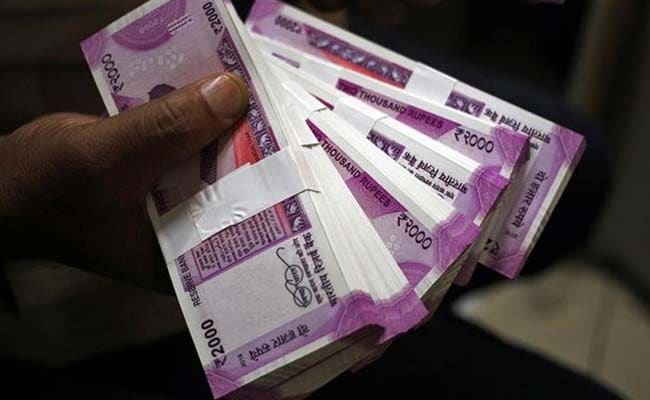
New Delhi: Indian banks' struggles with bad loans over the past three years have opened an opportunity to ramp up lending for so-called non-banking financial companies (NBFCs), which are not as strictly regulated as banks.
With their share of total credit rising, new players and new investors have piled into the NBFC market.
The latest such player is Incred. Backed by Deutsche Bank's former co-CEO Anshu Jain, it lends to individuals and small- and medium-sized enterprises (SMEs) including start-ups.
Saurabh Jhalaria, who heads Incred's SME division, says the company aims to disburse $234 million in new credit by next March. As much as 60 percent would be lent to SMEs, he said.
"There is great demand for credit from small entrepreneurs, but supply is very limited," Jhalaria told Reuters, referring to the reluctance to lend among state banks.
Public sector lenders led by State Bank of India and Punjab National Bank, which as a group account for two third of banking assets, are saddled with bulk of $150 billion in stressed loans.
Criminal investigations into some loan defaults have made bankers extremely cautious of extending new credit. The process of approving loans has become lengthier and requires lots of paperwork.
Banks are also reluctant to lend without matching collateral. In some cases, they even demand collateral twice the value of the loan.
As a result, bank credit to industry shrank by 1.9 percent in the fiscal year that ended in March. In contrast, NBFCs have posted double-digit rates of lending growth.
A study by research firm Crisil shows NBFCs have doubled their market share in SME loans and wholesale finance in the past five years. The Indian unit of rating agency Standard and Poor's expects their share in overall loans to rise by 3 percentage points to nearly 18 percent over the next two years.
Since its launch in February, Incred has lent nearly $16 million to 1,000 borrowers. It offers loans to SMEs of up to Rs 10 crore ($1.56 million) and charges interest of between 13-19 percent.
While the loans are costlier than those offered by banks, which charge around 12 percent on average, they are processed more quickly and require little paperwork.
"Our target is ambitious but achievable," said Jhalaria. "There is a demand that is not being met by banks. We are filling in that gap."
($1 = Rs 64.0600)
(Except for the headline, this story has not been edited by NDTV staff and is published from a syndicated feed.)

-
Signature Play: The Classic Cocktail Is Dead. Or Is It?

Classic cocktails are disappearing from India's cocktail menus. But they're still being ordered, taught to bartenders and borrowed from. So, who's really having the last drink?
-
A New Samvat Wishlist: Inclusive Prosperity And Human Development
India has strengthened its economic foundations through infrastructure, digital access and enterprise. Its next growth chapter must deepen productivity, create better livelihoods and widen participation in prosperity.
-
Love, Sex Aur Dhokha: The Audacious Plot To Spy On Jensen Huang
A Taipei dinner, a Singapore chip buyer and a suspected Chinese asset: inside the alleged spy operation that got close to NVIDIA's Jensen Huang.
-
Ten Things I Learnt This Samvat
Patience can be a trap. Cheap stocks can stay cheap. Leverage can wipe you out. What did Samvat 2082 teach us? Niraj Shah writes on 10 lessons from the year gone by.
-
Talking Points This Week: Tech Nerves, FII Buying, And A Faraway Banking Shock
The global markets are not shining this Diwali. The exception in the large markets is, India.
-
Midterm Rally Lasted A Day. The Hard Reality Of A Divided US May Last Two Years | Opinion
Between a contested AI boom, a debt ceiling that arrives in 2027 and a president with every incentive to act alone, the next two years may prove more volatile than the first day's rally suggests.
-
Blue Wave Will Derail the AI Trade but Won't Dismantle the AI Era | Unhedged Position
The Democrats' sweep of the US Congress will see politics collide with economic forces both over the long and short term.
-
It's Time To Take The GST Council's Bet On Trust Global
Payment records can prove India's services exports, and clear, proportionate rules can bring foreign digital sellers into the tax net.
-
Opinion | India at 38: From Innovation Overperformer to Innovation Powerhouse
India now has 453 VC-backed deep science startups, 18 of them late-stage, after 117 percent growth since 2020. Laurus Labs, at USD 9.3 billion, is the most valuable deep science company in any middle-income economy outside China.









