Are Indian Businesses Walking The Talk On Labour Rights?
The Covid-19 pandemic's first wave and the migrant workers crisis underscored labour rights issues that India faces. The last couple of years have also been significant with the union government pushing for labour codes with staunch opposition from trade unions and challenges from state governments.
With heightened attention on environmental, social and corporate governance across the world, Indian companies too are being questioned regarding their stance, as detailed in the Business Responsibility and Sustainability Report or BRSR – a reporting mechanism to push integrated reporting on environmental, social, and governance parameters. This standardised reporting format offers a baseline to draw a comparison between ESG goals across companies and sectors.
How Have These Voluntary BRSR And ESG Disclosures Fared?
Workers' rights should be at the core of labour and human rights discourse but a recent report by Oxfam India and cKinetics shows otherwise.
BRSR disclosures by 35 companies across six sectors, for financial year 2019-20, on human rights issues in their own operations, supply chains, and business relationships shows a huge gap between commitment and compliance towards social goals.
The companies analysed are from the automobile, mining and metal, infrastructure and construction, oil and gas, pharmaceutical, food and personal care, and chemical sectors.
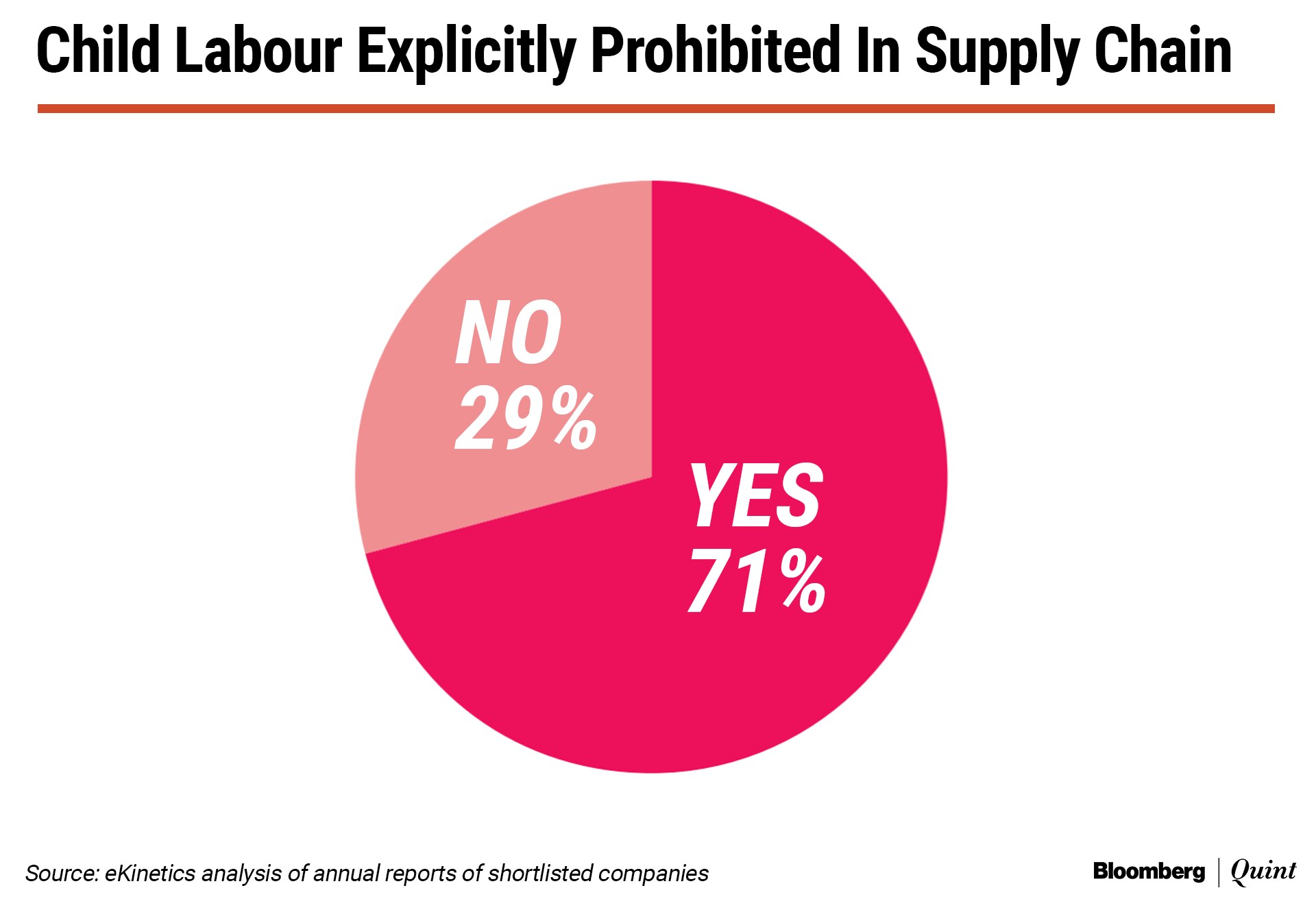
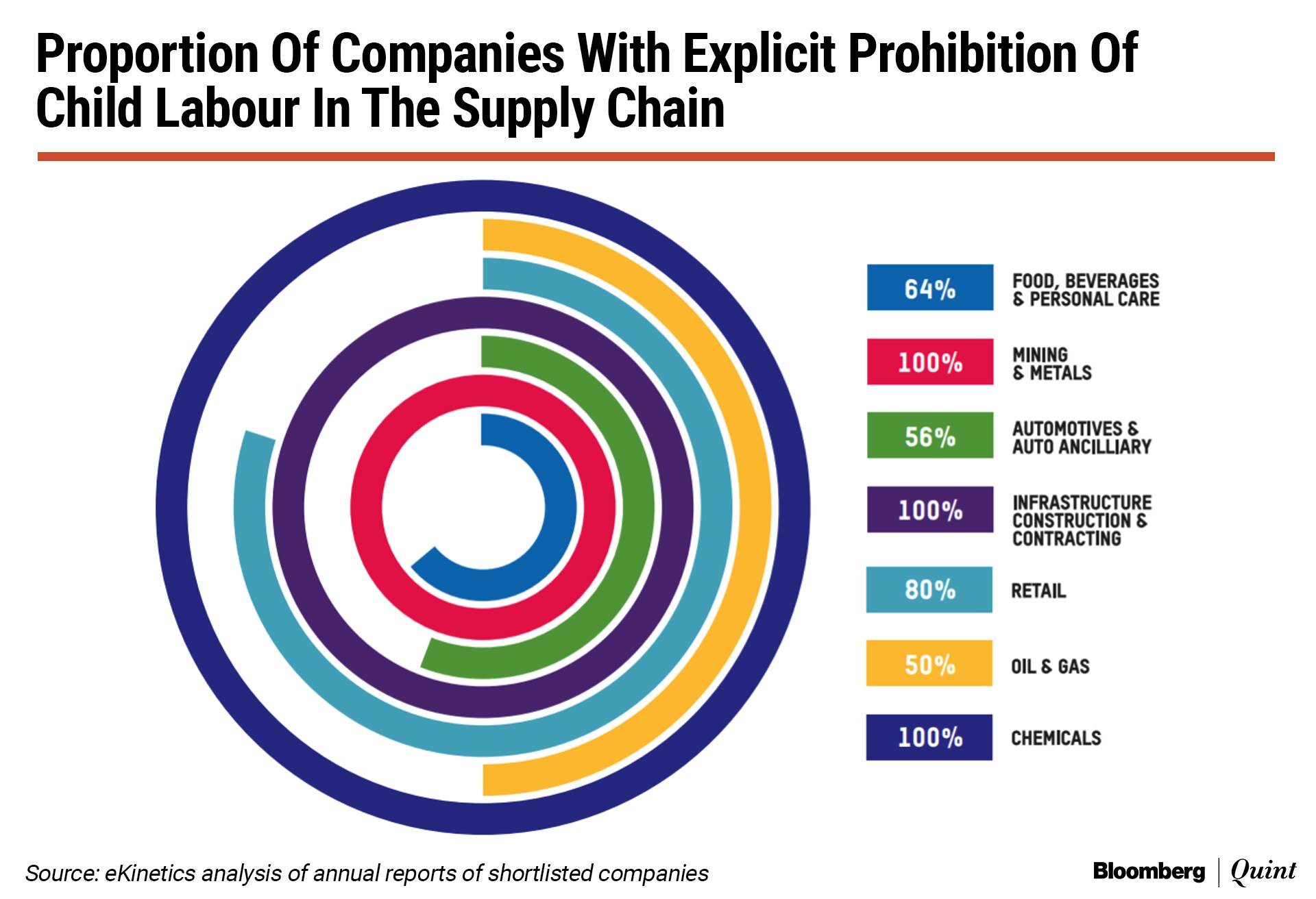
This reporting on compliance is nearly negligible in the supply chain of these companies. 71% of companies have explicitly prohibited child labour in their supply chain however only one company has undertaken timely assessments to do regular onsite checks.
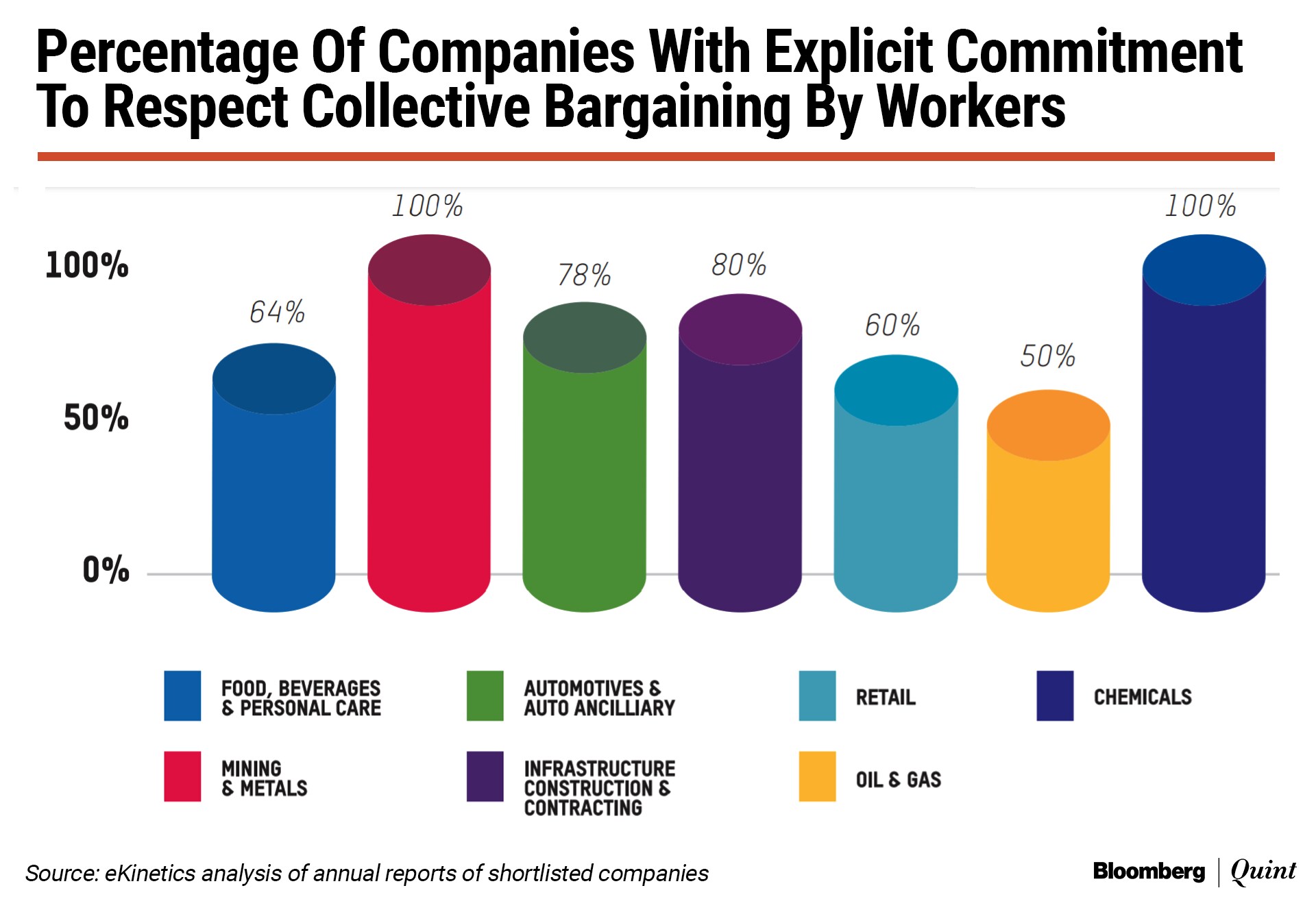
Similarly, about 70% of companies explicitly mention that they respect the rights of the workers to collective bargaining in their company code of conduct but there is no clarity about who is covered under this provision.
This is of significance because temporary/contractual employees account for 77% of the total employment in this sample set and are at a greater risk of unemployment.
While companies across sectors have a code of conduct or policy for suppliers in their operations, traceability of assessment is still questionable.
In order to understand labour rights compliance by business it is essential to look at BRSR. While minimum laws on minimum wages or equal remuneration are driven by the government, a new set of norms and standards is being pushed by customers, investors, and global institutions to nudge businesses to document labour conditions in their operations.
The latter is adapted in India as Business Responsibility and Sustainability Reporting, a revamped version of SEBI's 2012 Business Responsibility Reporting framework. The new BRSR implementation is phased and mandatory for 1,000 top listed companies after FY22. It is thus still in nascent stages and steadily evolving.
As per BRSR's social certification standards, businesses are required to report on a ban on child labour and forced labour, humane working conditions, guaranteed a living wage, non-discriminatory practices, systems for improvement of working conditions, right to freedom of association, and commitment to a maximum working period of 48 hours per week with one free day.
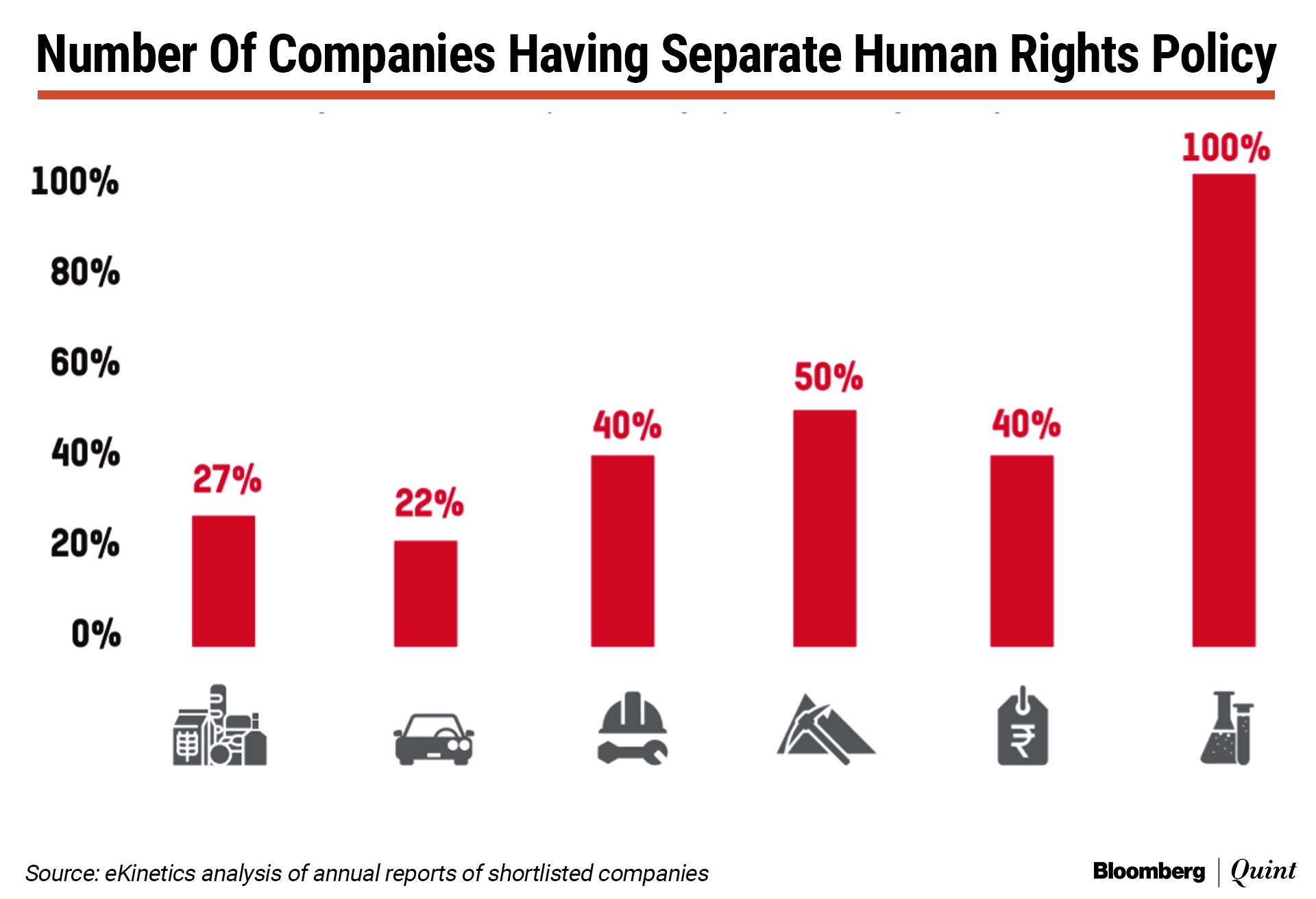
Why Are These Numbers Important?
Increasingly, the core consideration that influences investment is expanding to encompass financial returns and non-financial performance pertaining to environmental, social, and governance issues.
This growing shift in financing—that factors in ESG—is termed as ‘responsible' or ‘sustainable finance'. In a globalised Indian economy, the financial capital flows are exposing both domestic and international institutional investors to Indian companies. Beyond the labour laws that are meant to protect the workers' interests and rights, ESG information of companies is indicative of the non-financial health of the companies. These are picked up by investors who decide where the money flows.
The story however is not so linear both from the rights approach and the investment flow.
The new labour codes in India have weakened the stakes of workers in the labour market and made them more vulnerable to its dynamics.
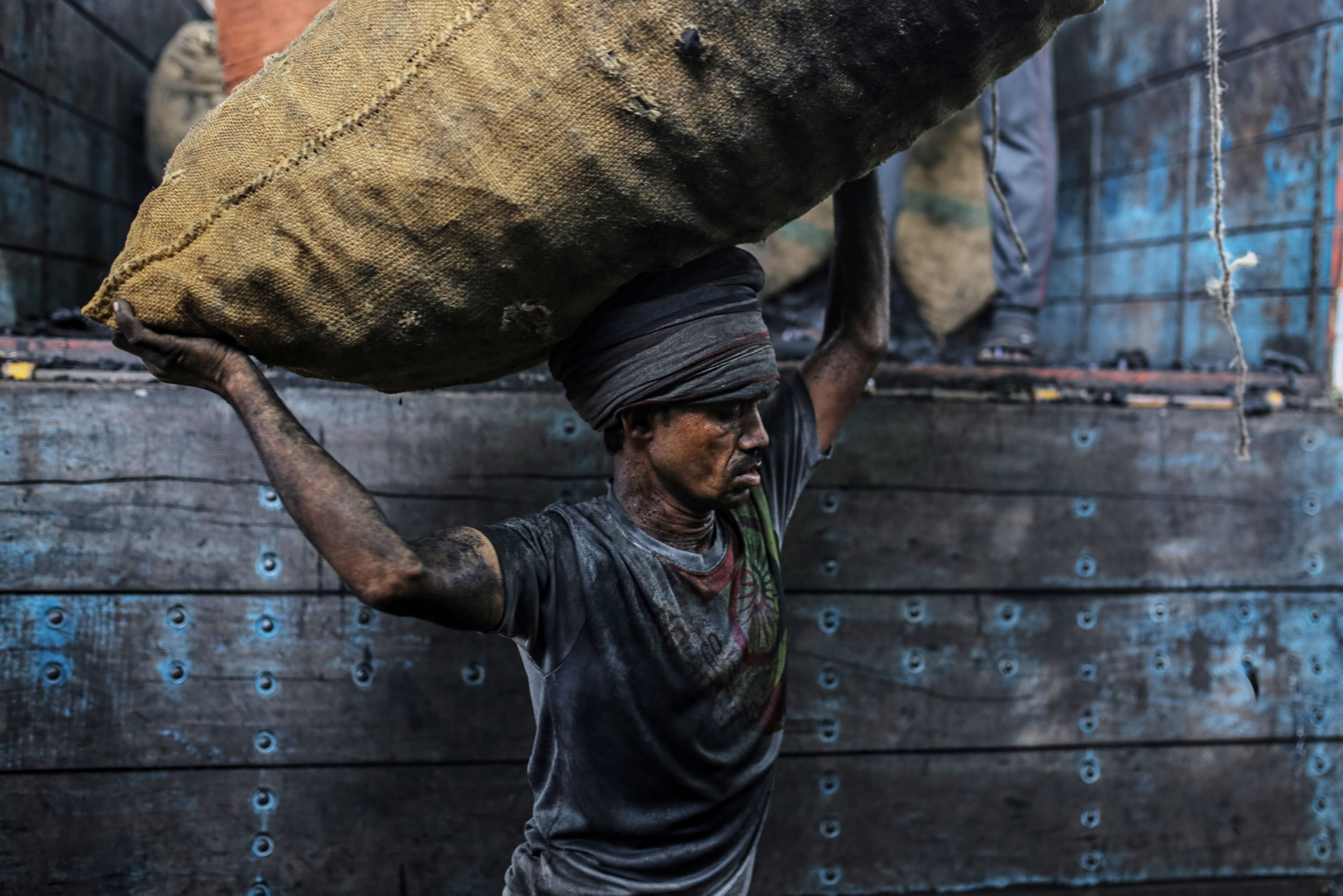
A worker unloads a sack of charcoal from a truck at a charcoal wholesale market in Mumbai. (Photographer: Dhiraj Singh/Bloomberg)
This weakening reflects in the ‘ease of doing business' both as a new paradigm of developmental approach and defeat of welfare economy to promote the traditional form of investments, i.e., financial profit-oriented. Therefore, disclosures like BRSR are influenced by the political will and inclination of the state to strengthen its citizens.
The question is what next? How do we correct these market failures?
First, investors' financial decisions based on ESG indicators can persuade businesses to perform and disclose their data. Interviews with investors, both domestic and international, point towards the demand for corrective action in case of violations and need a third-party audit of BRSR in the Oxfam India report.
Secondly, the state needs to regulate better working conditions for the workers in India to indirectly hold the businesses accountable. The BRSR in its current form can at best complement the laws and regulations that are systemic and applies to all the players. In absence of this, it is just a measurement of business performance on a case-to-case basis.
The compliance and commitment of businesses to protect labour and human rights can be pinned down only if the state exhibits greater impetus by means of regulatory measures that demand corrective solutions. The BRSR cannot be isolated from the legal framework that has stronger teeth to ensure workers' rights.
Srishty Anand is a research specialist on responsible finance at Oxfam India and leads Fair Finance India.
The views expressed here are those of the author, and do not necessarily represent the views of BloombergQuint or its editorial team.

-
India's Troika Of Good Luck | Joining The Dots

A weaker Trump, a cooling AI trade and resilient earnings have put Indian markets back in favour. Rising inflation could spoil the party.
-
Talking Points This Week: Leadership Shock At Nvidia, Earnings Strength, And The Fog Over Hormuz
The Anthropic IPO pricing and first trading day, Nvidia's upcoming earnings, and any fresh signals from Iran will set the tone for the following week.
-
Signature Play: The Classic Cocktail Is Dead. Or Is It?
Classic cocktails are disappearing from India's cocktail menus. But they're still being ordered, taught to bartenders and borrowed from. So, who's really having the last drink?
-
A New Samvat Wishlist: Inclusive Prosperity And Human Development
India has strengthened its economic foundations through infrastructure, digital access and enterprise. Its next growth chapter must deepen productivity, create better livelihoods and widen participation in prosperity.
-
Love, Sex Aur Dhokha: The Audacious Plot To Spy On Jensen Huang
A Taipei dinner, a Singapore chip buyer and a suspected Chinese asset: inside the alleged spy operation that got close to NVIDIA's Jensen Huang.
-
Ten Things I Learnt This Samvat
Patience can be a trap. Cheap stocks can stay cheap. Leverage can wipe you out. What did Samvat 2082 teach us? Niraj Shah writes on 10 lessons from the year gone by.
-
Talking Points This Week: Tech Nerves, FII Buying, And A Faraway Banking Shock
The global markets are not shining this Diwali. The exception in the large markets is, India.
-
Midterm Rally Lasted A Day. The Hard Reality Of A Divided US May Last Two Years | Opinion
Between a contested AI boom, a debt ceiling that arrives in 2027 and a president with every incentive to act alone, the next two years may prove more volatile than the first day's rally suggests.
-
Blue Wave Will Derail the AI Trade but Won't Dismantle the AI Era | Unhedged Position
The Democrats' sweep of the US Congress will see politics collide with economic forces both over the long and short term.
-
It's Time To Take The GST Council's Bet On Trust Global
Payment records can prove India's services exports, and clear, proportionate rules can bring foreign digital sellers into the tax net.