Apple To Start Online Sales "Within Months" After New FDI Rules: Report
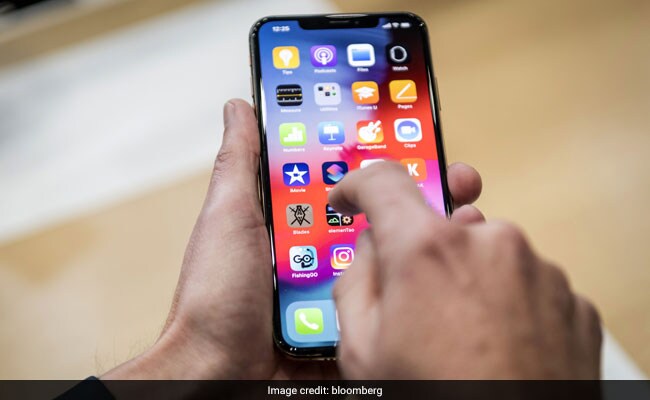
Apple Inc. is poised to start online sales of its devices in India within months, a person familiar with the matter said, benefiting from new rules making the world's fastest-growing smartphone market more attractive to foreign brands.
On Wednesday, India eased rules that forced companies such as Apple to source 30 per cent of their production locally -- a requirement the iPhone maker has been lobbying against for years -- to include exports as part of the requirement.
That rule posed a problem for electronics brands because most of its devices and components are manufactured in China. The government also allowed so-called single brand retailers to set up online stores before physical shops.
With escalating trade tensions damaging ties between the US and China, New Delhi's latest investment rules could provide a boost to Apple, allowing it to grow sales in the country and possibly help it reduce its high dependency on China by building out an alternative supply chain in India.
The Cupertino-based device and services company will begin selling its iPhone, iPads and Apple Mac computers online in the coming months. It's also firming up the Mumbai location of its first company-owned brick & mortar store in India -- likely to open next year -- the person said, asking not to be identified as the details are confidential. Selling online will be a big step forward for Apple in a country where counterfeit products abound in online platforms increasing buyers' distrust.
Apple didn't immediately respond to an email seeking comments.
Some of the phone maker's older devices are assembled by Taiwanese contractor Wistron Corp. in a factory in Bangalore, while the world's largest contract manufacturer, Foxconn Technology Group, tests assembly of Apple's latest iPhone X in a factory near Chennai.
Apple has an insignificant share of the India's booming smartphone market as its high prices and hefty import tariffs of as much as 20 per cent put its products beyond the reach of average Indians. Sales of the iconic iPhones slid dramatically in 2018 and early 2019, forcing the phone maker to offer steep discounts on even its latest models.
India with 130 crore people is the last remaining large market for smartphone makers, and the new rules pave the way for Apple to control its own retailing and branding, both online and offline. Currently, it sells through franchisee stores and via online retail platforms such as Amazon India and Walmart-owned Flipkart Online Services Pvt.
India's online retail market is surging and smartphones account for a chunk of e-commerce companies' sales. Over a fifth of the phones sold in the country are through online channels and through direct sales, Apple could win greater customer loyalty and even out the playing field with Chinese brands such as Xiaomi and OnePlus, which have gained popularity in the market on aggressive online selling strategies.

-
Navigating Friction And Energy Realities: An Analysis Of Marco Rubio's October Visit To India

Occurring at a critical juncture marked by stalled trade negotiations and escalating geopolitical pressures over global energy supplies, the visit offers a profound window into modern US-India relations.
-
India Exports Capital. Why Not Export Trusteeship?
The big question, then, is whether India can build an institution that global borrowers, investors, banks, and lawyers can trust, even without an Indian connection.
-
France's Economy & Politics Are In Crisis | The Reason Why
Let's look at how the French economy and politics evolved under Nicolas Sarkozy, Franois Hollande and Emmanuel Macron.
-
You May Inherit The Business. You Must Earn Its Credibility.
Succession tests the founder's ability to share authority as much as it tests the next generation's readiness to assume it.
-
Signing Deals Is One Thing; Making Them Work Is Another | The Week In Whys
Sometimes, things don't turn out as planned. Indian companies have lost some bids to rivals, some projects won't produce until 2030.
-
FOMC Wall, PERM Suspension, Hospital Stocks | Talking Points This Week
A PERM suspension would directly affect green-card sponsorship rather than H-1B visas, so the near-term earnings impact could remain relatively limited. The key question is whether this marks a new phase in US scrutiny of Indian IT.
-
Everything, Everywhere, All At Once: Dalal Street's Week To Forget | Joining The Dots
Visa curbs, a Starlink spat and cancer drug caps: what connects this week's shocks for Indian markets
-
India Is Going Abroad For Critical Minerals. But It May Take Years To Pay Off | The Reason Why
Although India's steps are in the right direction, they remain modest compared with India's growing dependence.
-
When Everyone Has AI, What Gives You An Edge?
India's young workforce is entering an uncertain world of work where powerful AI tools are becoming widely accessible. The advantage will belong to those who combine deep expertise with digital fluency, and the distinctly human capabilities that technology cannot manufacture.
-
Wrong Labels, High Pesticide Residues Holding Back Agri Exports | The Reason Why
India needs stronger domestic food-safety and labelling standards, with best practices becoming part of everyday business for farmers, traders and food companies.