Apple Supplier Foxconn Begins iPhone 15 Production In India
(Bloomberg) -- Apple Inc.'s next-generation iPhone 15 is beginning production in Tamil Nadu, in an effort to further narrow the gap between its India operations and main manufacturing base in China.
A Foxconn Technology Group plant in Sriperumbudur is preparing to deliver the newest devices only weeks after they start shipping from factories in China, as the company seeks to swiftly increase the volume of new iPhones coming from India, people familiar with the matter said.
The Cupertino, California-based firm is on a multiyear project to diversify its manufacturing away from China, de-risking the supply chain for its most important products as tensions between Washington and Beijing make trade less predictable. India, under Prime Minister Narendra Modi, has sought to build closer ties to the US and make itself a manufacturing hub.
Before the iPhone 14, Apple had only a sliver of its iPhone assembly in India, which lagged China output by six to nine months. That delay was drastically reduced last year, and Apple produced 7% of its iPhones in India at the end of March. The goal this year is to move closer to parity on shipment timing from India and China, though suppliers are not yet certain they will achieve it, the people said, asking not to be named as the information is not public.
Read more: Apple Looks Beyond China in Bid to Remake Cook's Supply Chains
“Apple's increased production in India will lead to more of its supply chain moving to the country,” said Shilpi Jain, a senior analyst at Counterpoint Research. “While it's still early days for Apple in India, I believe the government has a very clear ambition to move up the value chain in electronics manufacturing. And Apple's push certainly helps.”
The scale of India production for the iPhone 15 will depend on the ready availability of components, which are largely imported, and the smooth ramp-up of production lines at the Foxconn factory outside Chennai.
The new iPhone, likely to be announced on Sept. 12, promises to be the biggest update to the device in three years. It will include major upgrades to the camera system across the range, and the Pro models will gain an improved 3-nanometer processor. The new family of handsets is critical to reviving flagging sales. Apple this month reported its third straight quarter of declining sales, weighed down by tepid consumer demand in key markets like the US, China and Europe.
Other Apple suppliers in India — Pegatron Corp. and a Wistron Corp. factory that is being acquired by the Tata Group — will also soon assemble the iPhone 15, the people said.
An Apple spokeswoman and representatives of Wistron and Pegatron declined to comment. Foxconn did not respond to a request for comment.
Apple has steadily expanded in India through its Taiwanese suppliers, benefiting from some of the Modi administration's financial incentives to bring in more high-end manufacturing. That's helped Apple triple iPhone production to more than $7 billion in India in the fiscal year that ended in March, Bloomberg News reported previously.
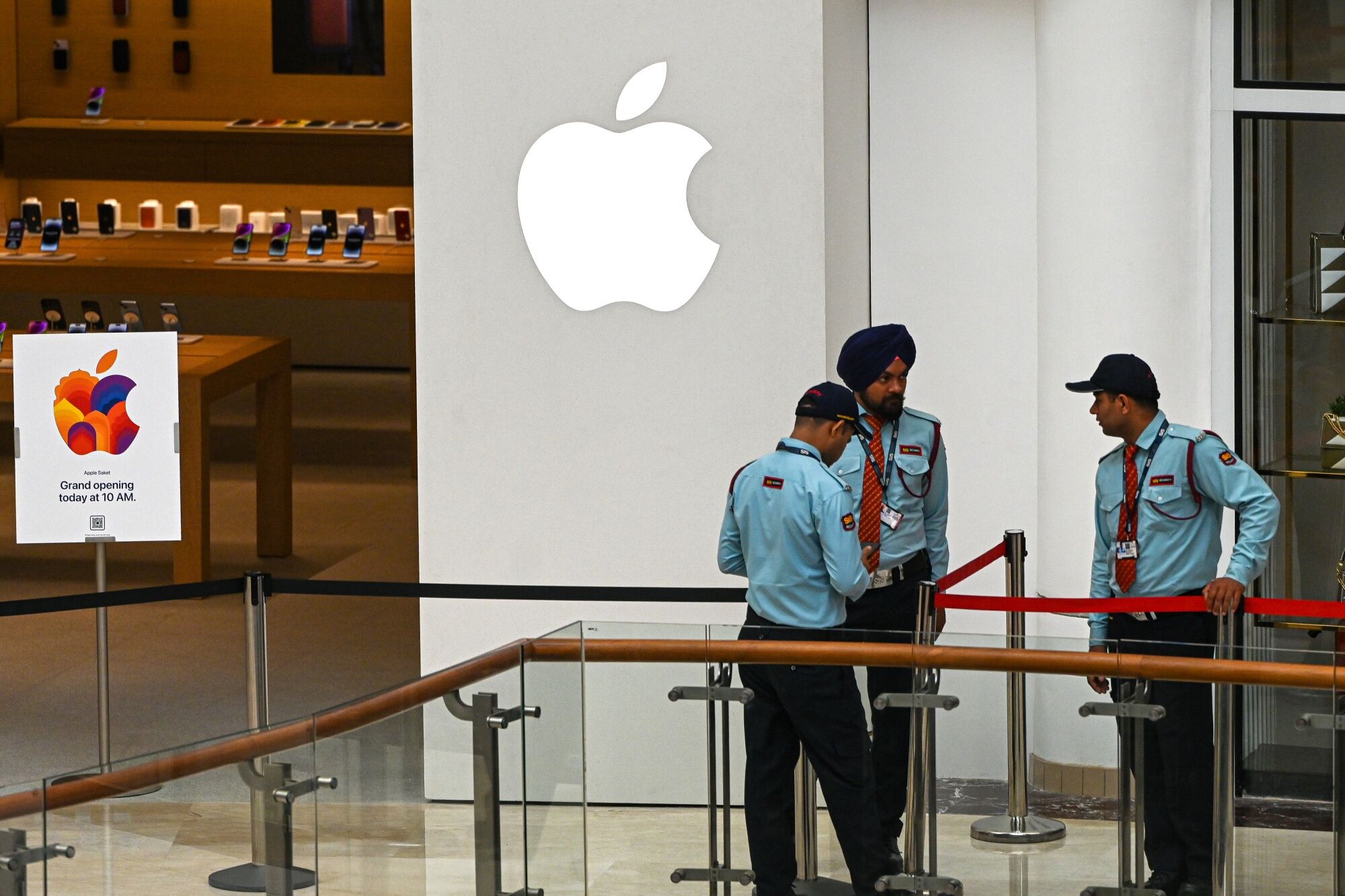
Apple, which opened its first retail stores in the country in April, now views the fast-growing India market as both a retail opportunity and an important production base for its gadgets in the longer term. In the quarter through June, iPhone sales in India grew double-digits to a new high, though Apple hasn't disclosed precise numbers.
Apple is “committed to growing and investing across the country,” Chief Executive Officer Tim Cook said after meeting Modi on his India trip in April.
--With assistance from Mark Gurman and Debby Wu.
(Updates with analyst comment; a previous version of the story corrected the name of Apple's processor in iPhone 15)
More stories like this are available on bloomberg.com
©2023 Bloomberg L.P.

-
Extracting Value From Battery Scrap Could Be Challenging For India | The Reason Why

A discarded lithium-ion battery still contains valuable materials such as lithium, nickel and cobalt. These can be recovered and reused. When such batteries are crushed and shredded, they produce a dark powder called black mass.
-
One El Nino, India Can Handle. Two Could Break The Granary
India's grain stocks can absorb one bad year, but a second El Nino could drain the buffer in two to three years, economists say.
-
India's Troika Of Good Luck | Joining The Dots
As Jensen Huang's exit drags Nvidia down, a cooling AI trade and resilient earnings have revived investor interest in India. A likely RBI rate hike looms.
-
Talking Points This Week: Leadership Shock At Nvidia, Earnings Strength, And The Fog Over Hormuz
The Anthropic IPO pricing and first trading day, Nvidia's upcoming earnings, and any fresh signals from Iran will set the tone for the following week.
-
Signature Play: The Classic Cocktail Is Dead. Or Is It?
Classic cocktails are disappearing from India's cocktail menus. But they're still being ordered, taught to bartenders and borrowed from. So, who's really having the last drink?
-
A New Samvat Wishlist: Inclusive Prosperity And Human Development
India has strengthened its economic foundations through infrastructure, digital access and enterprise. Its next growth chapter must deepen productivity, create better livelihoods and widen participation in prosperity.
-
Love, Sex Aur Dhokha: The Audacious Plot To Spy On Jensen Huang
A Taipei dinner, a Singapore chip buyer and a suspected Chinese asset: inside the alleged spy operation that got close to NVIDIA's Jensen Huang.
-
Ten Things I Learnt This Samvat
Patience can be a trap. Cheap stocks can stay cheap. Leverage can wipe you out. What did Samvat 2082 teach us? Niraj Shah writes on 10 lessons from the year gone by.
-
Talking Points This Week: Tech Nerves, FII Buying, And A Faraway Banking Shock
The global markets are not shining this Diwali. The exception in the large markets is, India.
-
Midterm Rally Lasted A Day. The Hard Reality Of A Divided US May Last Two Years | Opinion
Between a contested AI boom, a debt ceiling that arrives in 2027 and a president with every incentive to act alone, the next two years may prove more volatile than the first day's rally suggests.









