Apple IPhones Allow Extraction of Deep Personal Data, Researcher Finds
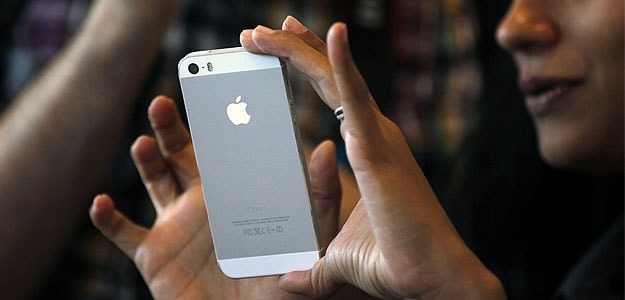
Personal data including text messages, contact lists and photos can be extracted from iPhones through previously unpublicized techniques by Apple Inc. employees, the company acknowledged this week.
The same techniques to circumvent backup encryption could be used by law enforcement or others with access to the "trusted" computers to which the devices have been connected, according to the security expert who prompted Apple's admission.
In a conference presentation this week, researcher Jonathan Zdziarski showed how the services take a surprising amount of data for what Apple now says are diagnostic services meant to help engineers.
Users are not notified that the services are running and cannot disable them, Zdziarski said. There is no way for iPhone users to know what computers have previously been granted trusted status via the backup process or block future connections.
"There's no way to 'unpair' except to wipe your phone," he said in a video demonstration he posted Friday showing what he could extract from an unlocked phone through a trusted computer.
As word spread about Zdziarski's initial presentation at the Hackers on Planet Earth conference, some cited it as evidence of Apple collaboration with the National Security Agency.
Apple denied creating any "back doors" for intelligence agencies.
"We have designed iOS so that its diagnostic functions do not compromise user privacy and security, but still provides needed information to enterprise IT departments, developers and Apple for troubleshooting technical issues," Apple said. "A user must have unlocked their device and agreed to trust another computer before that computer is able to access this limited diagnostic data."
But Apple also posted its first descriptions of the tools on its own website, and Zdziarski and others who spoke with the company said they expected it to make at least some changes to the programs in the future.
Zdziarski said he did not believe that the services were aimed at spies. But he said that they extracted much more information than was needed, with too little disclosure.
Security industry analyst Rich Mogull said Zdziarski's work was overhyped but technically accurate.
"They are collecting more than they should be, and the only way to get it is to compromise security," said Mogull, chief executive officer of Securosis.
Mogull also agreed with Zdziarski that since the tools exist, law enforcement will use them in cases where the desktop computers of targeted individuals can be confiscated, hacked or reached via their employers.
"They'll take advantage of every legal tool that they have and maybe more," Mogull said of government investigators.
Asked if Apple had used the tools to fulfill law enforcement requests, Apple did not immediately respond.
For all the attention to the previously unknown tools and other occasional bugs, Apple's phones are widely considered more secure than those using Google Inc.'s rival Android operating system, in part because Google does not have the power to send software fixes directly to those devices.
Copyright : Thomson Reuters 2014

-
Foreign Investors Own Half Of HDFC Bank and ICICI Bank. An LTCG Cut Could Matter Most Here

Foreign portfolio investors have US$115 billion parked in HDFC Bank, ICICI Bank. If the government cuts long-term capital gains tax, Jefferies says returning foreign money could land here first.
-
'Never Seen This Level Of Negativity': Sandeep Tandon Says The Next Rally May Be Closer Than You Think
Veteran investor Sandeep Tandon says foreign selling is easing, large-caps are due a comeback and mid-caps are crowded, while he turns positive on gold, power and pharma this Diwali.
-
Indians Stay With Family, Not In Hotels | The Reason Why
India still lacks enough clean, reliable and affordable hotels for budget-conscious travellers.
-
The Economic Imperative: Analysing The Material Driving Force Behind India-Canada Strategic Reset
This economic complementarity is further reinforced by deep institutional investment ties and talent mobility, which form the bedrock of the bilateral framework.
-
Medicine Pricing: Where Must Profit Stop?
India must confront excessive margins, hidden incentives and regulatory gaps that threaten the integrity of medicine.
-
Why Amazon And Flipkart Are Struggling To Beat Meesho In India's Smaller Cities
With 274 million users and lowest-cost logistics, Meesho is defending its value commerce crown against giants like Amazon and Flipkart.
-
High US Salaries, No Green Card Certainty: The Financial Calculation Facing Indian H-1B Families
The suspension of PERM processing at eight technology employers does not cancel existing H-1B visas. What it does is force a question many Indian families have been avoiding: is the US salary worth tying your career and family plans to one employer?
-
Swiggy vs Eternal: Food Delivery's Two Rivals Are No Longer In The Same Race
Eternal is building a private AI assistant, dark.ai. Swiggy is still working out how to make Instamart pay, with an operating loss of Rs 895 crore in the July-September quarter while Blinkit stayed profitable.
-
Where You Live Shapes How You Get To Work | The Reason Why
Two-wheelers are the most popular way to get to work in India, accounting for nearly 43% of workplace commutes.
-
Unhedged Position: Can India See An Indonesia-Style Time Correction?
The Nifty is trading below levels it first clocked in 2024. Is there, then, as I have suggested in the headline, potential that the current time correction drags on painfully for the next three-five, even ten years?










