Analysts See New Tariff Norms As A Temporary Setback For Broadcasters, Advertisers
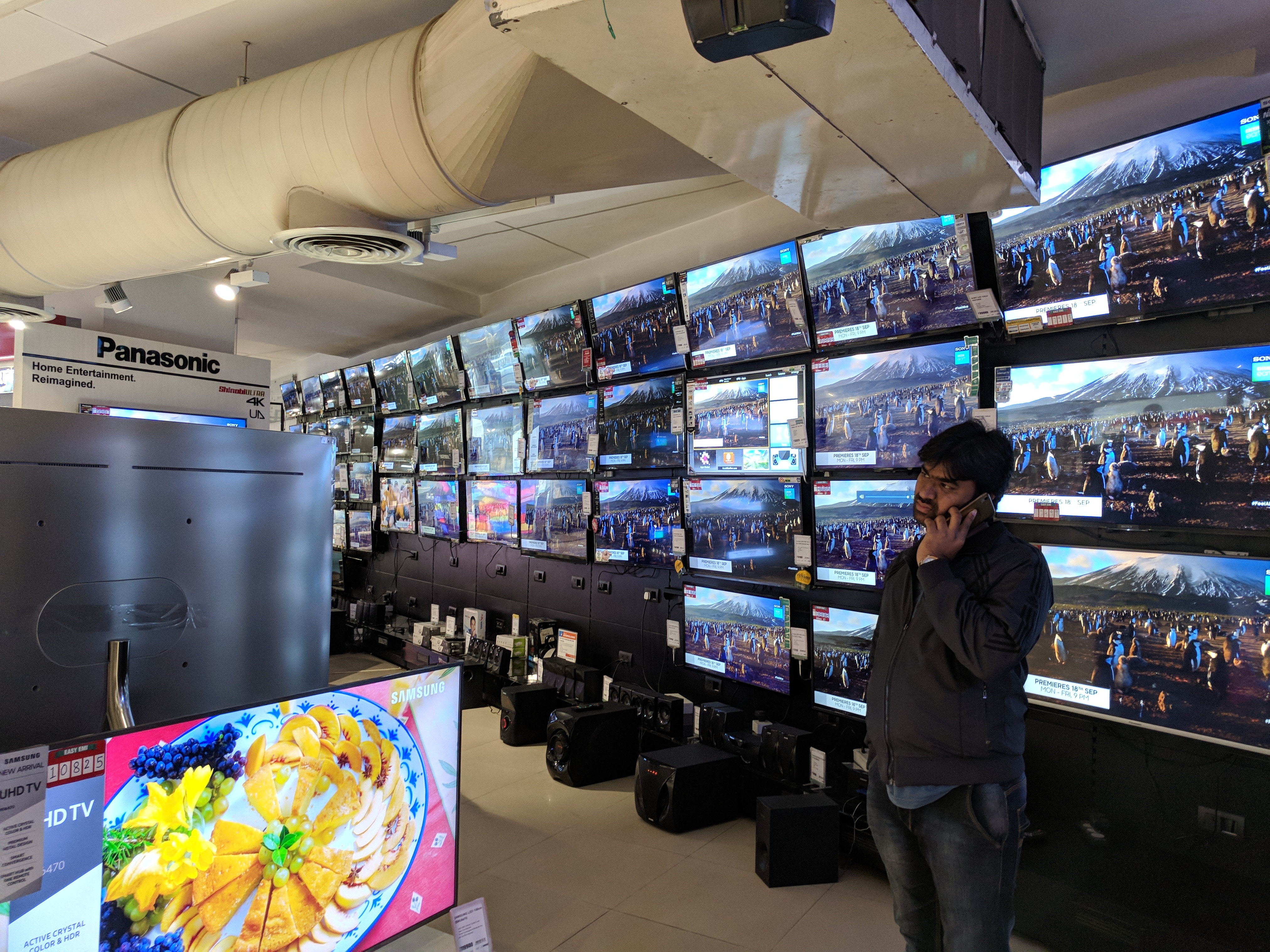
Telecom regulator's new tariff norms allowing subscribers to pay only for the channels they want to watch have left advertisers and broadcasters in a fix.
A month after Telecom Regulatory Authority of India's norms came into effect, disruptions have been reported on both the subscription and advertisement front, GV Giri, head of research for Institutional Broking at IIFL Capital, wrote in a note. “First, advertisers remain on the sidelines, as they await clarity on the reach of TV channels. Second, there is lack of data on the extent of uptake of various channels, as it is initial days; and thirdly, smaller cable operators faced challenges in shifting their subscriber base to the new regime.”
The rules, which were introduced to allow subscribers to create their own bouquets and to curb the practice of dumping unwanted channels, had sent viewership rankings upside down. That hurt the English entertainment and news channels the most.
More consumers are making their own choices now than earlier and this will result in viewership changes for some “popular channels”, said Jawahar Goel, managing director of direct-to-home company Dish TV India Ltd., in an emailed response. But he sees disruption as a temporary phenomenon. “Broadcasters should start marketing their packages and the highly priced bouquets need to be repriced.”
While rural consumers now prefer free-to-air channels, urban viewers are cutting the cord when cheaper data has made access to online movies and series on streaming services such as Netflix and Amazon Prime easier, BloombergQuint found in an analysis of Broadcast Audience Research Council data in the week 14 of 2019.
Broadcasters are clamouring to be part of 100 free-to-air channels that a cable or DTH operator has to provide for a fixed fee under the new TRAI rules. That ensures reach if not subscription revenue. All state-run Doordarshan channels should be part of the 100, and regional and free-to-air channels of all genres should have representation.
Depesh Kashyap, an analyst at Equirus Securities, called the data floating around as of now unreliable as BARC is struggling to extract the accurate viewership numbers. The disruption, he said, should take two to three months to settle down.
But Kashyap still expects an impact on the subscription revenue of Sun TV Network Ltd. and Zee Entertainment Enterprises Ltd. as both are part of all the base packs. Advertisement revenues for broadcasters may also get affected due to the decline in viewership, he said.
Karan Taurnai, analyst at Elara Capital, called it a temporary setback. While viewers are only subscribing to free channels as of now which is causing a decline in subscription revenues, he said viewership will recover in the next two quarters.
And Piyush Pankaj, chief strategy officer at cable operator GTPL Hathway Ltd., is already witnessing a positive change. Revenue per subscriber has gone up to Rs 24-25 from Rs 16-17 earlier, he said.

-
The Curious Case of Equitas Small Finance Bank And A CEO Who Quit For Stock

PN Vasudevan believes persistent investor concerns over a perceived conflict of interest had become a governance overhang on Equitas Small Finance Bank's stock, even as the lender improved profitability and asset quality.
-
Talking Points This Week: AI Cash Burn, A Tiger Comeback And An India That Still Finds Its Own Path
India is not immune to higher oil or tighter global liquidity, yet its earnings base is broader, its domestic policy levers are still available.
-
Foreign Investors Own Half Of HDFC Bank and ICICI Bank. An LTCG Cut Could Matter Most Here
Foreign portfolio investors have US$115 billion parked in HDFC Bank, ICICI Bank. If the government cuts long-term capital gains tax, Jefferies says returning foreign money could land here first.
-
'Never Seen This Level Of Negativity': Sandeep Tandon Says The Next Rally May Be Closer Than You Think
Veteran investor Sandeep Tandon says foreign selling is easing, large-caps are due a comeback and mid-caps are crowded, while he turns positive on gold, power and pharma this Diwali.
-
Indians Stay With Family, Not In Hotels | The Reason Why
India still lacks enough clean, reliable and affordable hotels for budget-conscious travellers.
-
The Economic Imperative: Analysing The Material Driving Force Behind India-Canada Strategic Reset
This economic complementarity is further reinforced by deep institutional investment ties and talent mobility, which form the bedrock of the bilateral framework.
-
Medicine Pricing: Where Must Profit Stop?
India must confront excessive margins, hidden incentives and regulatory gaps that threaten the integrity of medicine.
-
Why Amazon And Flipkart Are Struggling To Beat Meesho In India's Smaller Cities
With 274 million users and lowest-cost logistics, Meesho is defending its value commerce crown against giants like Amazon and Flipkart.
-
High US Salaries, No Green Card Certainty: The Financial Calculation Facing Indian H-1B Families
The suspension of PERM processing at eight technology employers does not cancel existing H-1B visas. What it does is force a question many Indian families have been avoiding: is the US salary worth tying your career and family plans to one employer?
-
Swiggy vs Eternal: Food Delivery's Two Rivals Are No Longer In The Same Race
Eternal is building a private AI assistant, dark.ai. Swiggy is still working out how to make Instamart pay, with an operating loss of Rs 895 crore in the July-September quarter while Blinkit stayed profitable.










