Amazon, FTC Reach $2.5 Billion Deal In Prime Subscription Case
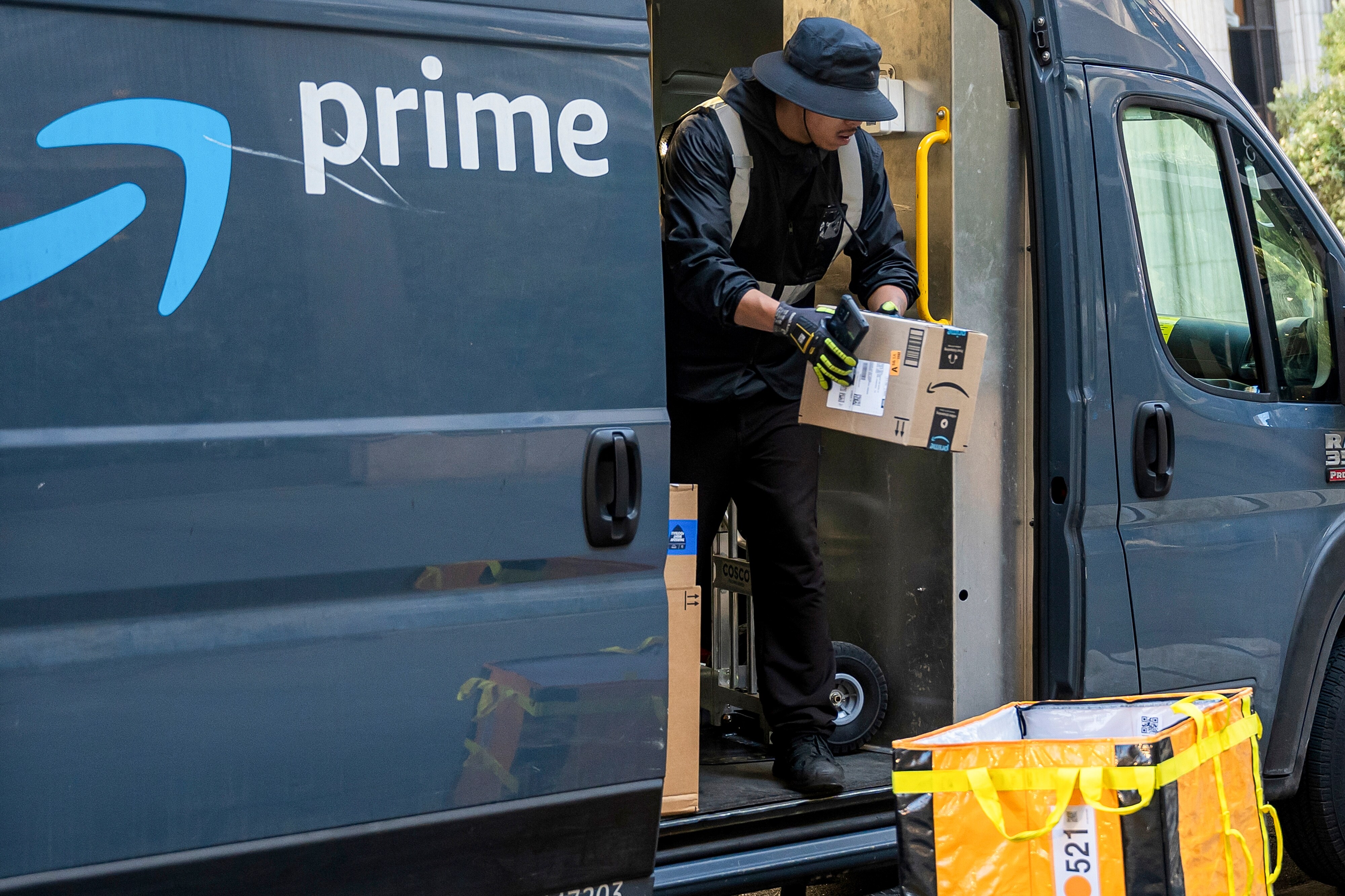
Amazon.com Inc. agreed to pay $2.5 billion in penalties and refunds and change its process for how to cancel its Prime subscription to settle a lawsuit by the US Federal Trade Commission.
The company will pay $1 billion in civil penalties and will refund $1.5 billion to customers to resolve allegations that it misled millions of customers into signing up for Prime and then making it intentionally difficult to cancel, according to court records.
FTC Chairman Andrew Ferguson said in a statement that the agency is “putting billions of dollars back into Americans' pockets, and making sure Amazon never does this again.”
“Amazon and our executives have always followed the law and this settlement allows us to move forward and focus on innovating for customers,” company spokesperson Mark Blafkin said in a statement.
In a ruling last week, however US District Judge John Chun found that Amazon's conduct was illegal when it collected customers' billing information before fully disclosing Prime's terms. Chun had left it to a jury to decide whether the rest of the company's conduct at issue violated the law in a trial that had started in Seattle Monday.
The FTC, which enforces antitrust and consumer protection laws, sued Amazon and three executives in 2023 saying Amazon's tactics violated a 2010 law designed to protect online shoppers. As part of the settlement, Amazon and two of its executives, Neil Lindsay and Jamil Ghani will be prohibited from engaging in deceptive conduct involving Prime Subscriptions. A third executive, Russell Grandinetti, was dismissed from the case. The settlement will remain in effect for 10 years.
The largest US tech companies have been cozying up to the White House since President Donald Trump's return to office in a bid to resolve regulatory scrutiny at home and abroad. Those efforts have been mixed, with the White House urging a light touch on AI while companies such as Meta Platforms Inc. have so far failed to settle their cases with the FTC.
The FTC case against Amazon focused on the company's Prime subscriptions, which are a key part of Amazon's success, with members spending more money and shopping more frequently than non-members.
The FTC called the settlement “historic” and it ranks as one of the largest in the agency's history. Under the terms of the settlement, Amazon customers will receive refunds of as much as $51.
Prime members pay $139 a year, or $15 per month, for shipping discounts, video streaming and other benefits. About 196 million people in the US had Prime memberships as of March, up 9% from a year earlier, according to market research firm Consumer Intelligence Research Partners. The figure reflects the number of people in the US living in households with Prime subscriptions, which are often shared by family members, and not the number of subscriptions sold.
Amazon had $12.2 billion in subscription services revenue, mostly from Prime memberships sold globally, in the quarter ended June 30, up 11% from the same period a year earlier.
The settlement came three days after the two sides picked a nine-person jury to decide whether Amazon and the executives were liable. The company could have faced penalties and refunds in the multiple billions of dollars if it lost at trial.

-
Signature Play: The Classic Cocktail Is Dead. Or Is It?

Classic cocktails are disappearing from India's cocktail menus. But they're still being ordered, taught to bartenders and borrowed from. So, who's really having the last drink?
-
A New Samvat Wishlist: Inclusive Prosperity And Human Development
India has strengthened its economic foundations through infrastructure, digital access and enterprise. Its next growth chapter must deepen productivity, create better livelihoods and widen participation in prosperity.
-
Love, Sex Aur Dhokha: The Audacious Plot To Spy On Jensen Huang
A Taipei dinner, a Singapore chip buyer and a suspected Chinese asset: inside the alleged spy operation that got close to NVIDIA's Jensen Huang.
-
Ten Things I Learnt This Samvat
Patience can be a trap. Cheap stocks can stay cheap. Leverage can wipe you out. What did Samvat 2082 teach us? Niraj Shah writes on 10 lessons from the year gone by.
-
Talking Points This Week: Tech Nerves, FII Buying, And A Faraway Banking Shock
The global markets are not shining this Diwali. The exception in the large markets is, India.
-
Midterm Rally Lasted A Day. The Hard Reality Of A Divided US May Last Two Years | Opinion
Between a contested AI boom, a debt ceiling that arrives in 2027 and a president with every incentive to act alone, the next two years may prove more volatile than the first day's rally suggests.
-
Blue Wave Will Derail the AI Trade but Won't Dismantle the AI Era | Unhedged Position
The Democrats' sweep of the US Congress will see politics collide with economic forces both over the long and short term.
-
It's Time To Take The GST Council's Bet On Trust Global
Payment records can prove India's services exports, and clear, proportionate rules can bring foreign digital sellers into the tax net.
-
Opinion | India at 38: From Innovation Overperformer to Innovation Powerhouse
India now has 453 VC-backed deep science startups, 18 of them late-stage, after 117 percent growth since 2020. Laurus Labs, at USD 9.3 billion, is the most valuable deep science company in any middle-income economy outside China.









