Amazon, Apple Earnings Show Tariffs Are Coming For Big Tech, Too
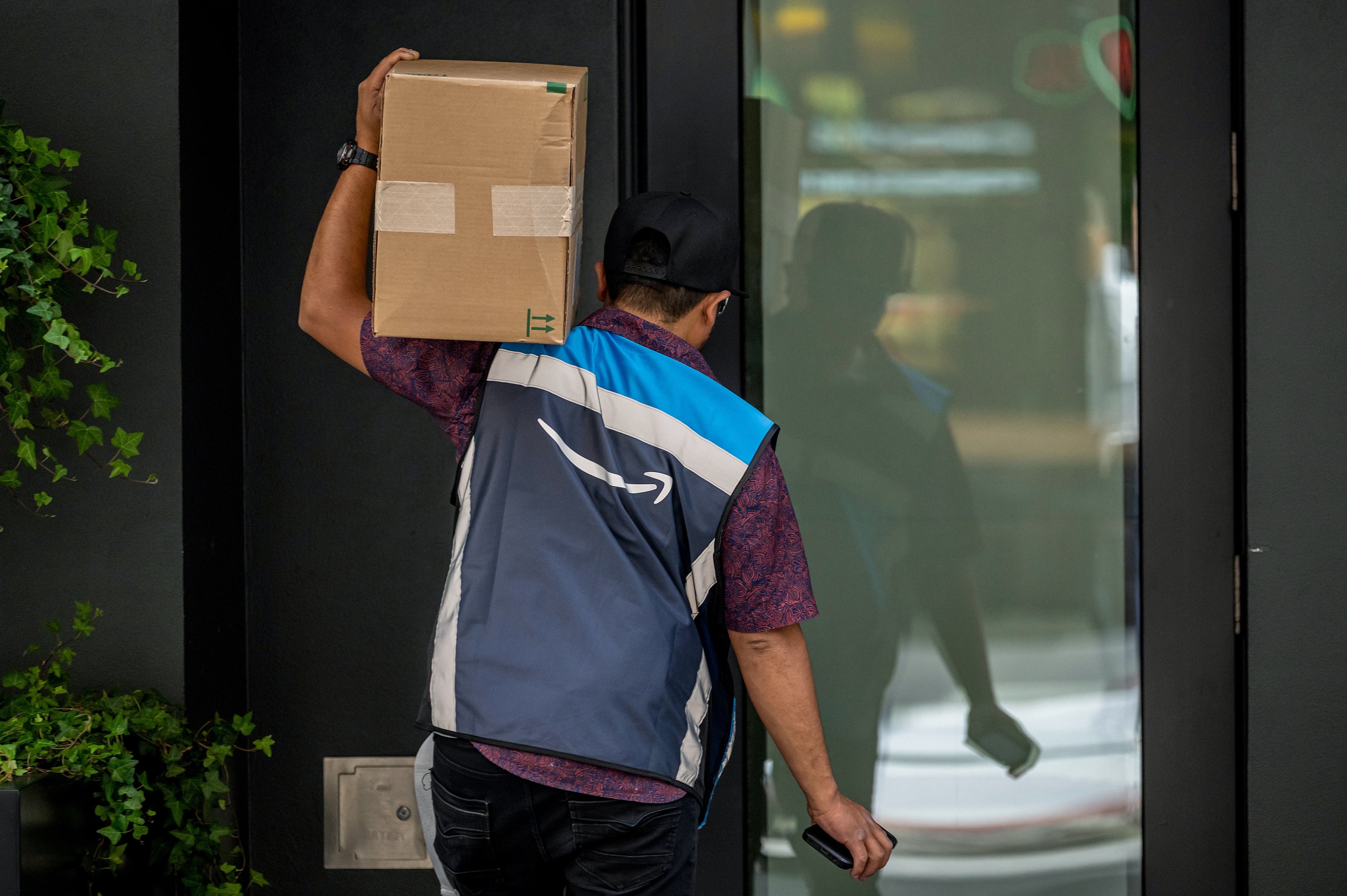
Recessionary fears. Global economic and geopolitical conditions. Tariff and trade policies.
They were all among the factors that Amazon.com Inc. cited when it issued a forecast late Thursday for profit to fall billions of dollars below Wall Street's expectations. “None of us knows exactly where tariffs will settle or when,” Chief Executive Officer Andy Jassy said on a call with analysts.
For now, Amazon said, its future results are “inherently unpredictable.”
Quarterly earnings from both Amazon and Apple Inc., two of the world's most valuable companies, put on full display how US President Donald Trump's trade wars threaten the bottom line of even big tech companies — at least those in the business of selling physical things.
The iPhone maker warned investors on Thursday that tariffs will increase its costs by $900 million in this quarter. In a potential foreshadowing of what's to come: Apple's sales in China — where Trump has focused much of his trade war — missed investor expectations.
It was a starkly different message than the one sent by other big tech companies earlier this week in their earnings. The results of Microsoft Corp., Meta Platforms Inc. and Alphabet Inc. all demonstrated that, for now, it's business as usual when selling digital goods like software advertisements and cloud computing services.
The big difference: Import taxes don't apply to installations of Microsoft Word or YouTube ads the same way they do to a new coffee maker bought on Amazon. Plus, the primary customers for software and cloud computing are businesses, which don't get spooked as quickly as consumers.
Corporations make buying decisions further into the future and are less subject to vibe shifts. Budgets today were probably allocated six months ago.
Amazon shares were down 1% in New York on Friday. Apple tanked 5%. The company gets “full marks for transparency and resilience, but macro headwinds and tariffs drive modestly lower earnings estimates,” JPMorgan Chase & Co. analyst Samik Chatterjee said, even as the firm leverages its “global manufacturing footprint to limit” the impact.
To be sure, the insulation for companies such as Google may prove short-lived. Even firms selling digital goods are subject to tariffs in the form of the equipment and infrastructure that they must buy to support their own businesses. And deteriorating economic conditions threaten to affect their customers as well.
Meta said it would spend billions more on data center infrastructure this year than previously expected, in part due to an increase in costs for the hardware to run those centers. Microsoft raised prices on its Xbox gaming consoles Thursday, citing higher development costs.
It may just take longer for economic disruptions to reach business-oriented vendors. If costs go up for companies across America, they'll have less cash left over to buy, for example, ads on Facebook. International Business Machines Corp. cautioned investors last month that economic uncertainty may cause its clients to pause buying.
Meta and Microsoft have each added warnings to their financial reports this year about the potential impact of trade policy changes.
“Changes in global trade policies such as restrictions on international trade, including tariffs and other controls on imports or exports, could result in increased supply chain challenges, cost volatility, and consumer and economic uncertainty,” Microsoft said in a regulatory filing Wednesday. These “may adversely affect our results of operations.”

-
India's Troika Of Good Luck | Joining The Dots

A weaker Trump, a cooling AI trade and resilient earnings have put Indian markets back in favour. Rising inflation could spoil the party.
-
Talking Points This Week: Leadership Shock At Nvidia, Earnings Strength, And The Fog Over Hormuz
The Anthropic IPO pricing and first trading day, Nvidia's upcoming earnings, and any fresh signals from Iran will set the tone for the following week.
-
Signature Play: The Classic Cocktail Is Dead. Or Is It?
Classic cocktails are disappearing from India's cocktail menus. But they're still being ordered, taught to bartenders and borrowed from. So, who's really having the last drink?
-
A New Samvat Wishlist: Inclusive Prosperity And Human Development
India has strengthened its economic foundations through infrastructure, digital access and enterprise. Its next growth chapter must deepen productivity, create better livelihoods and widen participation in prosperity.
-
Love, Sex Aur Dhokha: The Audacious Plot To Spy On Jensen Huang
A Taipei dinner, a Singapore chip buyer and a suspected Chinese asset: inside the alleged spy operation that got close to NVIDIA's Jensen Huang.
-
Ten Things I Learnt This Samvat
Patience can be a trap. Cheap stocks can stay cheap. Leverage can wipe you out. What did Samvat 2082 teach us? Niraj Shah writes on 10 lessons from the year gone by.
-
Talking Points This Week: Tech Nerves, FII Buying, And A Faraway Banking Shock
The global markets are not shining this Diwali. The exception in the large markets is, India.
-
Midterm Rally Lasted A Day. The Hard Reality Of A Divided US May Last Two Years | Opinion
Between a contested AI boom, a debt ceiling that arrives in 2027 and a president with every incentive to act alone, the next two years may prove more volatile than the first day's rally suggests.
-
Blue Wave Will Derail the AI Trade but Won't Dismantle the AI Era | Unhedged Position
The Democrats' sweep of the US Congress will see politics collide with economic forces both over the long and short term.
-
It's Time To Take The GST Council's Bet On Trust Global
Payment records can prove India's services exports, and clear, proportionate rules can bring foreign digital sellers into the tax net.









