Alibaba Discloses State Ownership In More Than 12 Business Units
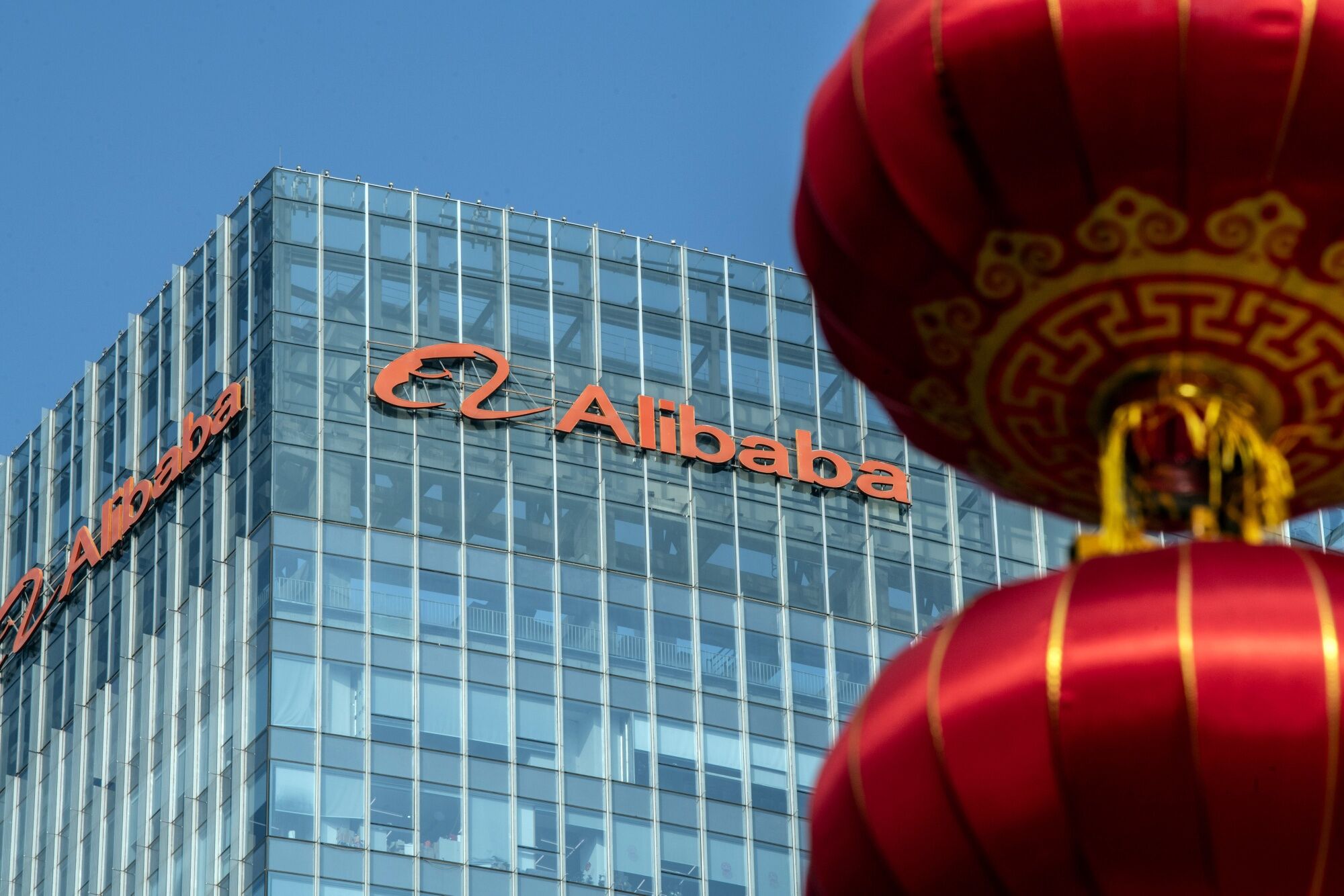
(Bloomberg) -- Alibaba Group Holding Ltd. disclosed a wider web of Chinese government stakes in its business units than previously known, following an inquiry from the US Securities and Exchange Commission.
The Hangzhou-based e-commerce pioneer said in filings in the US and Hong Kong over the weekend that more than a dozen of its entities are partially owned by Chinese state-owned enterprises or foreign sovereign wealth funds. In the notice, the company said the disclosures were made “in response to certain comments from the staff of the SEC” as an amendment to its earlier filing from July.
The filings come as China's ruling Communist Party said this month that it will play a bigger role in steering the country's technology and science development. Beijing's tightening grip over its tech companies in recent years has intensified investor concern and the potential for greater scrutiny in the US.
Chinese state-owned enterprises had shares in six of Alibaba's direct-sales businesses, which contributed less than 6% of its total revenue in the fiscal year to March 2023. Five of those stakes were below 10% and the other was below 30%, according to the filings.
The company also said that state-owned companies took ownership in several business entities in sports, health, logistics, and local consumer services. In addition, Alibaba disclosed small stakes in some units by sovereign wealth funds from Singapore, Malaysia, the United Arab Emirates and Qatar.
Alibaba did not identify the specific entities in its filing. Its corporate structure is highly complex and undergoing an overhaul as the company considers splitting off several tentpole business lines into standalone companies. A representative for the company did not immediately respond to a request for comment.
The latest filing adds to the so-called “golden shares” — nominal stakes of typically 1% — that Chinese government entities took last year in units from Chinese tech leaders including Alibaba and Tencent Holdings Ltd. This share structure in theory allows the government to nominate directors or sway key company decisions, a move seen as granting Beijing another lever to influence players in the world's largest internet arena.
Alibaba has struggled over the past year to revamp its vast e-commerce, logistics and cloud empire, after setbacks in its ambitious restructuring project. Chief Executive Officer Eddie Wu has now taken direct control of its core businesses, in a bid to win back users in the face of rising competition and regulatory risks domestically and abroad.
More stories like this are available on bloomberg.com
©2024 Bloomberg L.P.

-
Signature Play: The Classic Cocktail Is Dead. Or Is It?

Classic cocktails are disappearing from India's cocktail menus. But they're still being ordered, taught to bartenders and borrowed from. So, who's really having the last drink?
-
A New Samvat Wishlist: Inclusive Prosperity And Human Development
India has strengthened its economic foundations through infrastructure, digital access and enterprise. Its next growth chapter must deepen productivity, create better livelihoods and widen participation in prosperity.
-
Love, Sex Aur Dhokha: The Audacious Plot To Spy On Jensen Huang
A Taipei dinner, a Singapore chip buyer and a suspected Chinese asset: inside the alleged spy operation that got close to NVIDIA's Jensen Huang.
-
Ten Things I Learnt This Samvat
Patience can be a trap. Cheap stocks can stay cheap. Leverage can wipe you out. What did Samvat 2082 teach us? Niraj Shah writes on 10 lessons from the year gone by.
-
Talking Points This Week: Tech Nerves, FII Buying, And A Faraway Banking Shock
The global markets are not shining this Diwali. The exception in the large markets is, India.
-
Midterm Rally Lasted A Day. The Hard Reality Of A Divided US May Last Two Years | Opinion
Between a contested AI boom, a debt ceiling that arrives in 2027 and a president with every incentive to act alone, the next two years may prove more volatile than the first day's rally suggests.
-
Blue Wave Will Derail the AI Trade but Won't Dismantle the AI Era | Unhedged Position
The Democrats' sweep of the US Congress will see politics collide with economic forces both over the long and short term.
-
It's Time To Take The GST Council's Bet On Trust Global
Payment records can prove India's services exports, and clear, proportionate rules can bring foreign digital sellers into the tax net.
-
Opinion | India at 38: From Innovation Overperformer to Innovation Powerhouse
India now has 453 VC-backed deep science startups, 18 of them late-stage, after 117 percent growth since 2020. Laurus Labs, at USD 9.3 billion, is the most valuable deep science company in any middle-income economy outside China.









