Airtel, Idea Approach TDSAT Against TRAI’s Predatory Pricing Norms
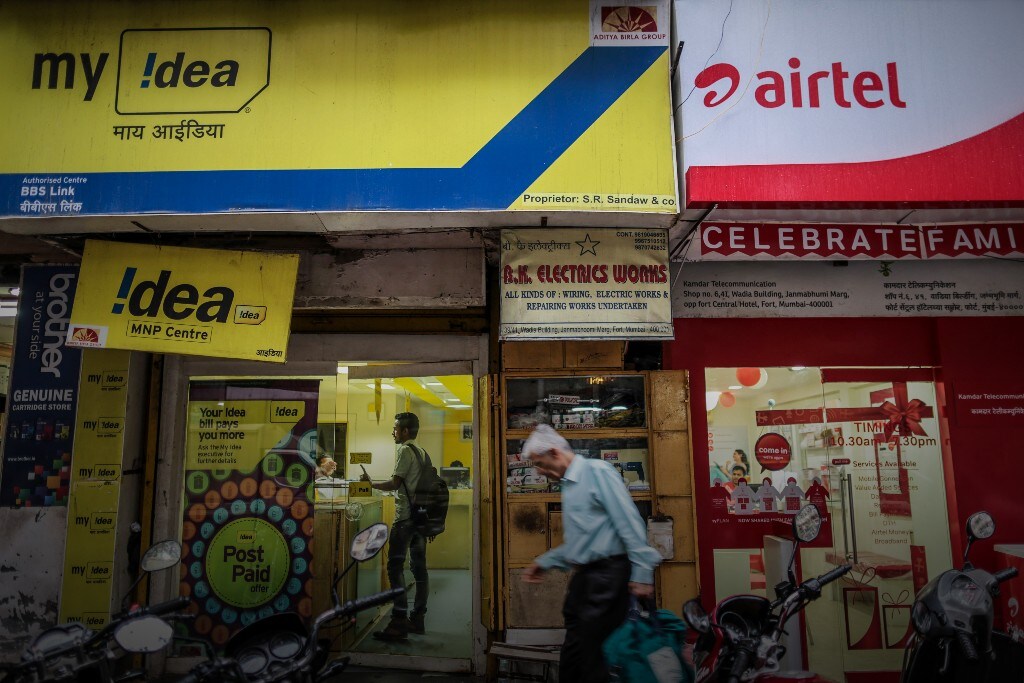
The telecom tribunal today gave three weeks to TRAI to file its reply in a petition by Bharti Airtel Ltd. and Idea Cellular Ltd. challenging the regulator's latest order on predatory pricing but did not stay the contentious decision.
TRAI's predatory pricing rules have sparked off a furore in the industry with the older and established telecom carriers as well as industry body COAI slamming the new norms. The Cellular Operators' Association of India has indicated that the regulation favours Reliance Jio, and that the order has distorted the market, placing all other operators at a “serious disadvantage”.
Both Telecom Regulatory Authority of India and Jio have dubbed the allegations as baseless.
In its petition to the Telecom Dispute Settlement and Appellate Tribunal, Bharti Airtel said that the tariff order “virtually permits a telecom service provider who is an effective significant market player to indulge in predatory pricing to the severe detriment of the appellants and the other operators”.
“Thus, if the impugned tariff order is not stayed then it will cause severe detriment to the appellants as it will have no means to meet the predatory pricing and consequent loss of subscribers and business by another TSP (telecom service provider),” Airtel said seeking a stay on TRAI's latest order.
Airtel further argued that not staying the order would also "hamper consumer interest as they will be deprived of discounts and offers".
Last month, TRAI said it will impose financial disincentive of up to Rs 50 lakh per circle on operators if their service rates are found to be predatory in nature.
A tariff will be considered predatory if in a "relevant market", a telecom operator with over 30 percent market share offers services at a price which is below the average "variable cost", with a view to reduce competition or eliminate the competitors in the "relevant market".
Also Read: COAI Rebuts Jio; Says Flagged Issue On TRAI Orders
TRAI will arrive at "variable cost" after deducting fixed cost and share of fixed overheads borne by the company from total cost of incurred by it for running business during the period under review.
The regulator has also said that telecom operators will have to provide services to all subscribers availing the same tariff plan in a non-discriminatory manner.
The rules drew flak from the established operators.
Industry body COAI has flagged the revised definition of Significant Market Power (SMP) that now excludes parameters like traffic volume and switching capacity, and said such changes will place older operators at a disadvantage and stop them from responding to "what may be actual predatory tariff plans".
It has also contended that the recent regulation has also taken away flexibility from the operators to offer benefits to customers.
Last week, Bharti Chairman, Sunil Mittal had said that the operators had no choice but to move court against the regulator's order, which restrains them from retaining customers and conducting business.
During the hearing today, the TDSAT did not offer any immediate relief to the incumbent operators in the matter, but asked regulator to file its reply in three weeks.
The next date of hearing is April 17.
Also Read: COAI Hits Back At Reliance Jio, Says No Case For Defamation

-
The Economic Imperative: Analysing The Material Driving Force Behind India-Canada Strategic Reset

This economic complementarity is further reinforced by deep institutional investment ties and talent mobility, which form the bedrock of the bilateral framework.
-
Medicine Pricing: Where Must Profit Stop?
India must confront excessive margins, hidden incentives and regulatory gaps that threaten the integrity of medicine.
-
Why Amazon And Flipkart Are Struggling To Beat Meesho In India's Smaller Cities
With 274 million users and lowest-cost logistics, Meesho is defending its value commerce crown against giants like Amazon and Flipkart.
-
High US Salaries, No Green Card Certainty: The Financial Calculation Facing Indian H-1B Families
The suspension of PERM processing at eight technology employers does not cancel existing H-1B visas. What it does is force a question many Indian families have been avoiding: is the US salary worth tying your career and family plans to one employer?
-
Swiggy vs Eternal: Food Delivery's Two Rivals Are No Longer In The Same Race
Eternal is building a private AI assistant, dark.ai. Swiggy is still working out how to make Instamart pay, with an operating loss of Rs 895 crore in the July-September quarter while Blinkit stayed profitable.
-
Where You Live Shapes How You Get To Work | The Reason Why
Two-wheelers are the most popular way to get to work in India, accounting for nearly 43% of workplace commutes.
-
Unhedged Position: Can India See An Indonesia-Style Time Correction?
The Nifty is trading below levels it first clocked in 2024. Is there, then, as I have suggested in the headline, potential that the current time correction drags on painfully for the next three-five, even ten years?
-
Navigating Friction And Energy Realities: An Analysis Of Marco Rubio's October Visit To India
Occurring at a critical juncture marked by stalled trade negotiations and escalating geopolitical pressures over global energy supplies, the visit offers a profound window into modern US-India relations.
-
India Exports Capital. Why Not Export Trusteeship?
The big question, then, is whether India can build an institution that global borrowers, investors, banks, and lawyers can trust, even without an Indian connection.
-
France's Economy & Politics Are In Crisis | The Reason Why
Let's look at how the French economy and politics evolved under Nicolas Sarkozy, Franois Hollande and Emmanuel Macron.










