Airline Industry Crisis Deepens As Coronavirus Pain Spreads
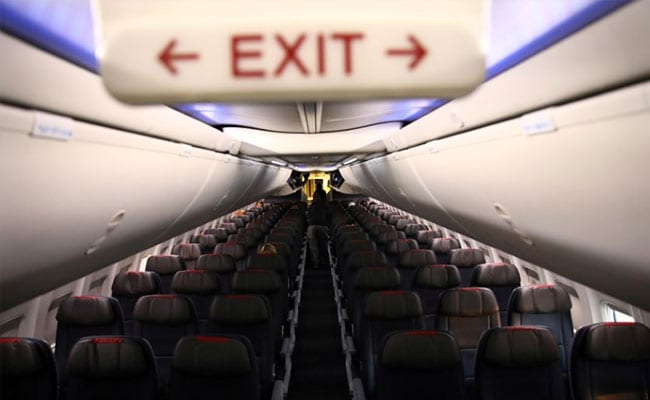
The crisis for airlines deepened on Thursday as Lufthansa warned the industry might not survive without state aid if the coronavirus pandemic lasts a long time, and Qantas Airways told most of its 30,000 staff to take leave.
The United Nation's International Civil Aviation Organization called on governments to ensure cargo operations are not disrupted to maintain the availability of critical medicine and equipment such as ventilators and masks that will help fight the virus.
"The spread of the coronavirus has placed the entire global economy and our company as well in an unprecedented state of emergency," Lufthansa CEO Carsten Spohr said in a statement. "At present, no one can foresee the consequences."
His comments echo other industry executives who have called for state support now that passenger operations are collapsing at an unprecedented rate as governments curb travel drastically and demand slumps.
Germany's Lufthansa, which has parked 700 of its 763 aircraft, said it did not need state support yet as it slashes costs, but painted a bleak picture for the industry and its suppliers.
Spohr said his company was in talks with planemakers Airbus and Boeing about whether to take delivery of aircraft it had ordered, and on payments.
"We had planned this year to receive a new plane every 10 days - now we don't need any," he told reporters.
He predicted the industry would emerge into "a different world" after the crisis, saying the need for airline partnerships would only become more pressing.
'Extraordinary Circumstances'
Global airlines group IATA has forecast the industry will need up to $200 billion of state support, piling pressure on governments facing demands from all quarters and a rapid worsening in public finances as economies slump.
Shares in U.S. airlines fell sharply on Wednesday after Washington proposed a rescue package of $50 billion in loans, but no grants as the industry had requested, to help address the financial impact from crisis.
The Trump administration's lending proposal would require airlines to maintain a certain amount of service and limit increases in executive pay until the loans are repaid.
Delta Air Lines said on Wednesday it would park more than 600 jets, cut corporate pay by as much as a half, and scale back flying by more than 70% until demand begins to recover.
American Airlines Group Inc in a memo to staff rebuffed criticism it had rewarded its shareholders with too many dividends and stock buybacks in better times, leaving it with less cash to manage the crisis.
"Unfortunately, this is no ordinary rainy day," said Nate Gatten, American's senior vice president global government affairs. "These are extraordinary circumstances, and additional support is necessary to protect jobs and ensure that the flying public can continue to rely on our industry after the crisis ends."
In Australia, Qantas said it would cut all international flights and two-thirds of its 30,000 workers would need to take paid or unpaid leave. The Australian government is banning the arrival of non-citizens and non-residents starting Friday.
Government Relief
Several governments have started to act.
Government sources in India told Reuters that the government was planning a rescue package of up to $1.6 billion to aid carriers battered by coronavirus.
India's SpiceJet said on Thursday it was suspending the majority of its international operations from March 21 to April 30, while rival IndiGo asked staff to take a pay cut of up to 20%.
Taiwan's Transport ministry said it was inviting its airlines to submit capital requirements and financial plans with the view to giving them assistance, such as rolling over loans and providing operating funds.
New Zealand outlined the first tranche of a NZ$600 million ($344 million) aviation relief package, as it announced plans to shut its borders to non-citizens and non-residents.

-
'Never Seen This Level Of Negativity': Sandeep Tandon Says The Next Rally May Be Closer Than You Think

Veteran investor Sandeep Tandon says foreign selling is easing, large-caps are due a comeback and mid-caps are crowded, while he turns positive on gold, power and pharma this Diwali.
-
Indians Stay With Family, Not In Hotels | The Reason Why
India still lacks enough clean, reliable and affordable hotels for budget-conscious travellers.
-
The Economic Imperative: Analysing The Material Driving Force Behind India-Canada Strategic Reset
This economic complementarity is further reinforced by deep institutional investment ties and talent mobility, which form the bedrock of the bilateral framework.
-
Medicine Pricing: Where Must Profit Stop?
India must confront excessive margins, hidden incentives and regulatory gaps that threaten the integrity of medicine.
-
Why Amazon And Flipkart Are Struggling To Beat Meesho In India's Smaller Cities
With 274 million users and lowest-cost logistics, Meesho is defending its value commerce crown against giants like Amazon and Flipkart.
-
High US Salaries, No Green Card Certainty: The Financial Calculation Facing Indian H-1B Families
The suspension of PERM processing at eight technology employers does not cancel existing H-1B visas. What it does is force a question many Indian families have been avoiding: is the US salary worth tying your career and family plans to one employer?
-
Swiggy vs Eternal: Food Delivery's Two Rivals Are No Longer In The Same Race
Eternal is building a private AI assistant, dark.ai. Swiggy is still working out how to make Instamart pay, with an operating loss of Rs 895 crore in the July-September quarter while Blinkit stayed profitable.
-
Where You Live Shapes How You Get To Work | The Reason Why
Two-wheelers are the most popular way to get to work in India, accounting for nearly 43% of workplace commutes.
-
Unhedged Position: Can India See An Indonesia-Style Time Correction?
The Nifty is trading below levels it first clocked in 2024. Is there, then, as I have suggested in the headline, potential that the current time correction drags on painfully for the next three-five, even ten years?
-
Navigating Friction And Energy Realities: An Analysis Of Marco Rubio's October Visit To India
Occurring at a critical juncture marked by stalled trade negotiations and escalating geopolitical pressures over global energy supplies, the visit offers a profound window into modern US-India relations.










