Two U.S. Advisory Firms Asked Investors To Vote Against Parekh’s Reappointment
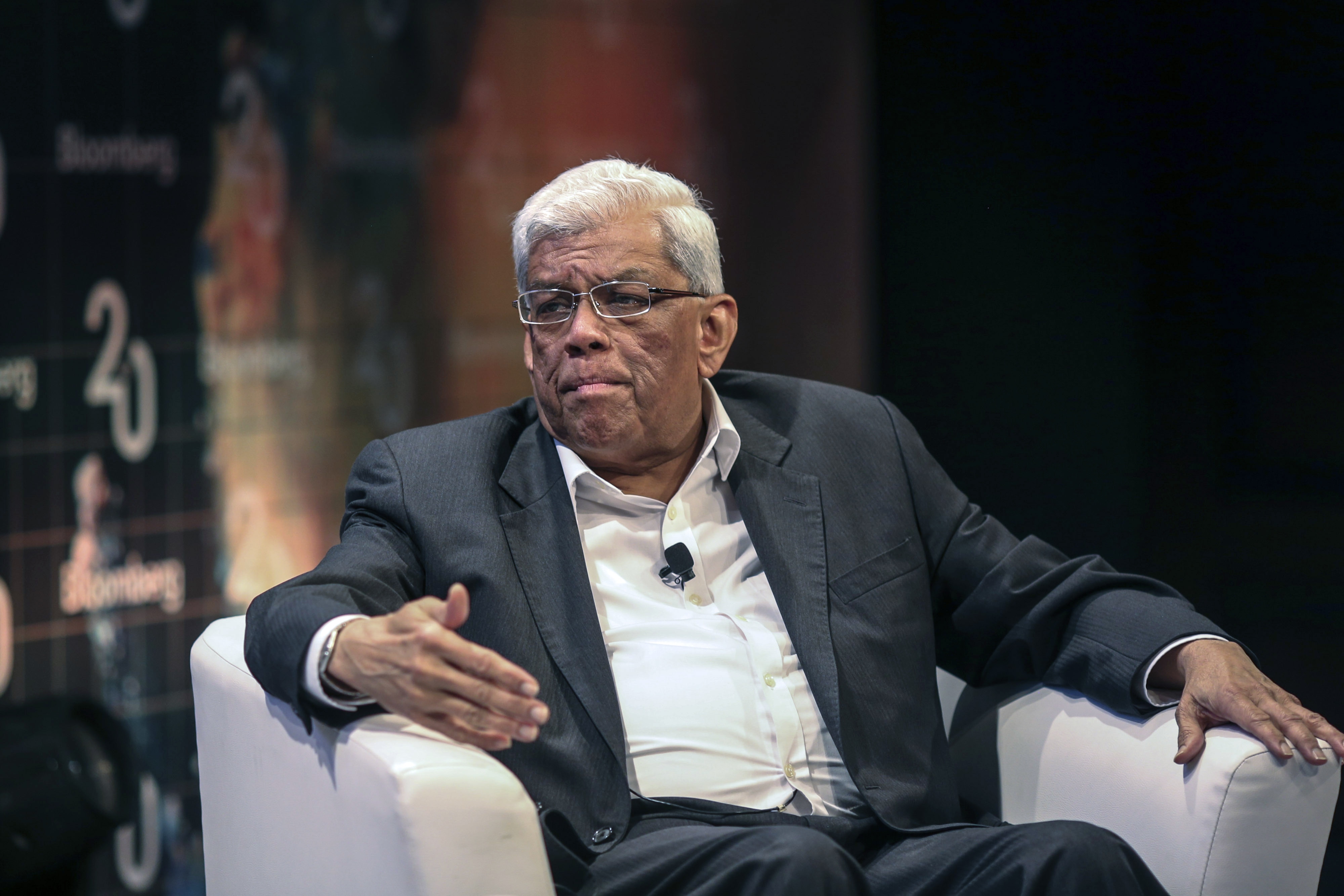
Nearly a quarter of HDFC Ltd.'s shareholders voted against a resolution which sought to extend the appointment of Deepak Parekh as a non-executive director of the corporation beyond October 2019.
Two U.S. proxy advisories—Glass, Lewis & Co and Institutional Shareholder Services—had asked investors to vote against Parekh over his directorship and independence of company's board. ISS cited Parekh being on the board of over six public companies as the reason, while Glass Lewis felt that the board of HDFC is not “sufficiently independent”. BloombergQuint reviewed the advisories shared by the firms.
The resolution put to vote was: Approval for continuation of directorship of Deepak Parekh during his tenure of re-appointment as a non-executive director of the corporation on attaining the age of 75 years on Oct. 18, 2019.
The disclosed voting pattern shows that in the public institutions category, 24.86 percent of the shareholders voted against the resolution. The remaining 75.14 percent voted for it.
Parekh, who is the non-executive, non-independent director on the HDFC board, held directorship in 13 listed and unlisted companies, according to HDFC's annual report for 2017-18—this includes three group subsidiaries.
A second resolution put to vote sought: Re-appointment of Keki M Mistry as the Managing Director for a period of three years, with effect from Nov. 14, 2018.
The disclosed voting pattern here showed 99.46 percent of public institutional shareholders voted for the resolution. Only 0.54 percent voted against it.
The AGM voting results, which were disclosed on Monday night, are surprising, Amit Tandon, founder of Indian proxy advisory firm IiAS, said in a conversation with BloombergQuint. HDFC owns a stake in IiAS.
What we find is that the median for votes ‘against' appointment of directors was about 8 percent in 2016. This year it is about 13 percent in the first six months. It is still nowhere close to the 24 percent number we have seen in this (HDFC Ltd.) case....So, no, it is not consistent with the data we have seen in other cases.Amit Tandon, Founder & MD, IiAS
The shareholding of HDFC is diversified, with public shareholders owning the entire equity base. Data from the BSE shows that foreign shareholders held 73 percent in the country's largest home finance firm, while domestic mutual funds held about 7 percent.
Details of the shareholders who voted against the resolution are not available publicly. The reason for the adverse vote is also not clear, said Tandon, adding that more details will only emerge later. Domestic investors report why they voted a certain way at the end of each quarter, but foreign investors only report it once a year, Tandon explained.
If you leave aside LIC, which owns 3.8 percent, you would have about 20 investors who would be owning about 25 percent of the stock. So it's not just one but many (investors) who would have voted against the resolution. Therefore, it's a question of a few of them getting together and taking the same view. That's what we need to understand.Amit Tandon, Founder & MD, IiAS
(Corrects an earlier version that mentioned a 2017 vote on the re-appointment of Renu Sud Karnad)

-
Signature Play: The Classic Cocktail Is Dead. Or Is It?

Classic cocktails are disappearing from India's cocktail menus. But they're still being ordered, taught to bartenders and borrowed from. So, who's really having the last drink?
-
A New Samvat Wishlist: Inclusive Prosperity And Human Development
India has strengthened its economic foundations through infrastructure, digital access and enterprise. Its next growth chapter must deepen productivity, create better livelihoods and widen participation in prosperity.
-
Love, Sex Aur Dhokha: The Audacious Plot To Spy On Jensen Huang
A Taipei dinner, a Singapore chip buyer and a suspected Chinese asset: inside the alleged spy operation that got close to NVIDIA's Jensen Huang.
-
Ten Things I Learnt This Samvat
Patience can be a trap. Cheap stocks can stay cheap. Leverage can wipe you out. What did Samvat 2082 teach us? Niraj Shah writes on 10 lessons from the year gone by.
-
Talking Points This Week: Tech Nerves, FII Buying, And A Faraway Banking Shock
The global markets are not shining this Diwali. The exception in the large markets is, India.
-
Midterm Rally Lasted A Day. The Hard Reality Of A Divided US May Last Two Years | Opinion
Between a contested AI boom, a debt ceiling that arrives in 2027 and a president with every incentive to act alone, the next two years may prove more volatile than the first day's rally suggests.
-
Blue Wave Will Derail the AI Trade but Won't Dismantle the AI Era | Unhedged Position
The Democrats' sweep of the US Congress will see politics collide with economic forces both over the long and short term.
-
It's Time To Take The GST Council's Bet On Trust Global
Payment records can prove India's services exports, and clear, proportionate rules can bring foreign digital sellers into the tax net.
-
Opinion | India at 38: From Innovation Overperformer to Innovation Powerhouse
India now has 453 VC-backed deep science startups, 18 of them late-stage, after 117 percent growth since 2020. Laurus Labs, at USD 9.3 billion, is the most valuable deep science company in any middle-income economy outside China.









