After Surgical Strikes Across LoC, Modi Needs To Address The Kashmir Conflict
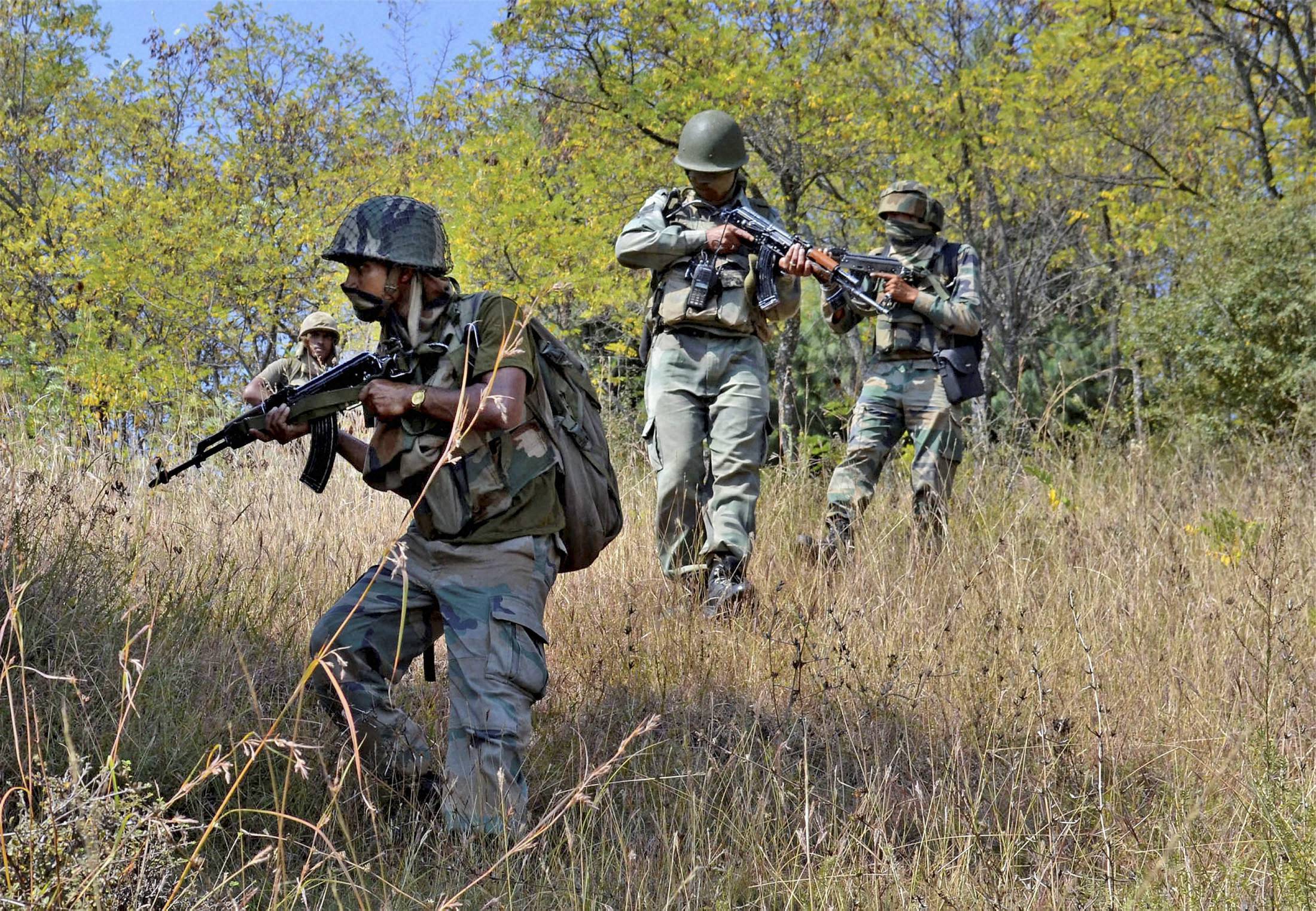
Slowly, the details of the Indian Army's surgical strikes on Wednesday night against terror launch pads across the Line of Control in Pakistan-occupied Kashmir are trickling in. It seems the “arc of operation” was as long as 250 kilometres, along Bhimber, Lepa and Tatopani. Seven terror launch pads were struck. Mortar and heavy gunfire was used in Uri as a feint to draw attention away from the strikes across other parts of the Line of Control.
Reports are that the Indian Army Chief, General Dalbir Singh Suhag and National Security Advisor Ajit Doval watched the army operation taking place – it's not clear how that happened, though.
Was the Indian establishment taking a leaf out of the U.S. army's strike against Osama bin Laden in 2011, when the entire senior U.S leadership from president Barack Obama to the then Secretary of State, Hillary Clinton, watched the operation taking place in real time?
But even as India, as well as the entire political class, pats Prime Minister Narendra Modi on the back for having the nerve to take this major step, the question is, where does India go from here?
.jpg "People celebrate after Indian army's surgical strikes along the Line of Control, in Patna on Thursday (Source: PTI)")
First of all, the lack of reaction from the international community – read, the U.S. – means that the world has decided to swallow its apprehension about possible retaliation from Pakistan's side, and therefore, the escalatory risk of a nuclear accident on the part of nuclear-armed India and Pakistan. They also seem to understand what India has been saying for some time, that it cannot be business as usual with Pakistan if it continues to allow terrorists to use its territory to launch strikes against India.
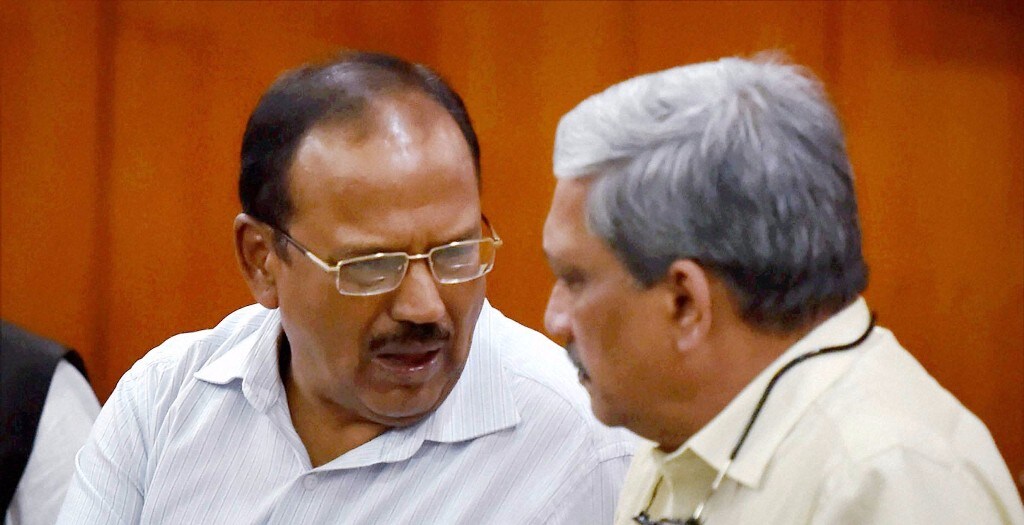
Certainly, U.S. National Security Advisor Susan Rice's conversation with her Indian counterpart, Ajit Doval, in which she uses the phrase “cross-border attack” for the first time is an indication that at least so far, the Americans are buying the line that Pakistan must end its differentiation between “good terrorists” – those who are allegedly trained to strike against India – and “bad terrorists”, those who have turned inwards to strike against the people of Pakistan.
Prime Minister Narendra Modi's decision to go ahead with the pre-emptive strikes on Wednesday seems to have been part of a well thought-out strategy. Most importantly, the media was used to float trial balloons, whether it was the idea of abrogating the Indus Waters Treaty, or withdrawing the Most Favoured Nation status to Pakistan.
.jpg "Shri Narendra Modi chairing the CCS meeting on the situation on LoC, in New Delhi on Thursday (Source: PTI)")
It is also interesting that Modi masterminded the withdrawal of four South Asian nations, including India, from the SAARC Summit in Islamabad, Pakistan, in November, on the issue of cross-border terrorism. The fact that Afghanistan, Pakistan's western neighbour, was part of this quartet shows the depth of anger against the Pakistani establishment – Pakistan's intelligence agency, the ISI, and the Pakistan army – which has used these terrorists as fronts to promote its own agenda.
Also Read: Leaders Across Party Lines Support Government Decision On Surgical Strikes
Former Indian Army Chief General Bikram Singh told this reporter that abrogating the Indus Waters Treaty would never have gone down well across the international community because using water as a weapon of war cannot be an option; certainly, the prime minister agrees with him. Crossing the LoC and striking at terrorist launch pads and killing two Pakistani soldiers in the bargain, is confirmation of the fact that Modi decided that the people of Pakistan cannot be harmed in this war against the Pakistan Army.
Interestingly, Pakistan Prime Minister Nawaz Sharif has criticised the Indian strikes – even though the Pakistan Army and large parts of the Pakistani media have denied that the strikes even took place.
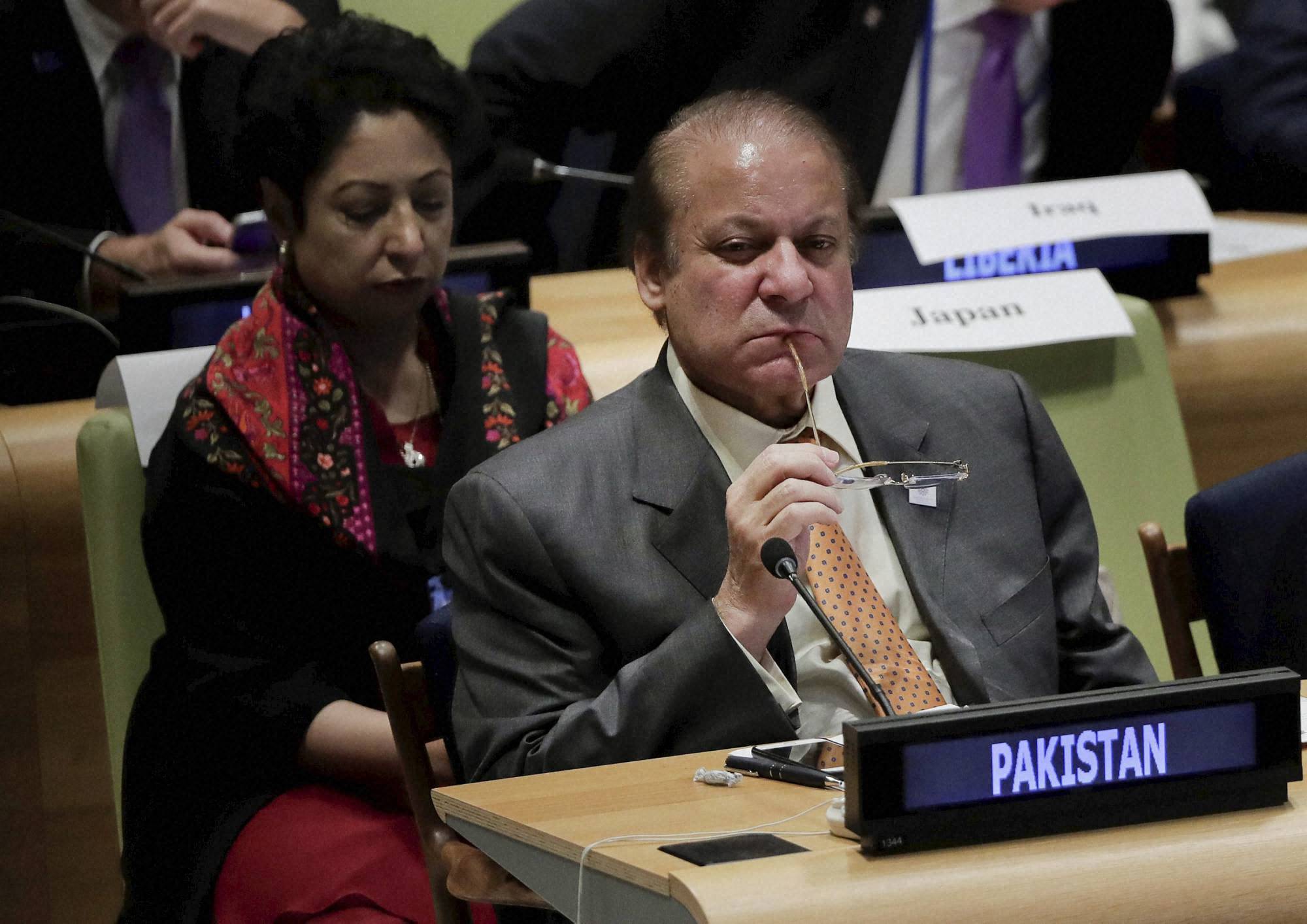
In fact, if Sharif, increasingly debilitated in recent months by his own army which has looked at political alternatives to run Pakistan, such as Imran Khan's Pakistan Tehreek-i-Insaaf (PTI) party, is able to assert himself in such an hour of crisis, he may end up weakening the incredible power of the Pakistan Army.
Nawaz Sharif has been here before – in the summer of 1999, when the Pakistan Army mounted a war against India at Kargil. Pakistan was, at the time, forced back across the LoC amid international ignominy and Sharif was thrown into Attock jail by his own army. He spent several years outside Pakistan soon after, in Saudi Arabia and London, as a compromise.
By acting against Pakistani terror camps, Modi may even be throwing a rope at the politically drowning Nawaz Sharif. Whether Sharif will have the courage to catch hold of the rope and assert his power is another matter.
As for Modi, he will clearly be seen by the rest of the region as someone willing to take risks and act decisively. Comparisons will soon enough be made with former Prime Minister Indira Gandhi, who intervened to break up Pakistan in 1971.
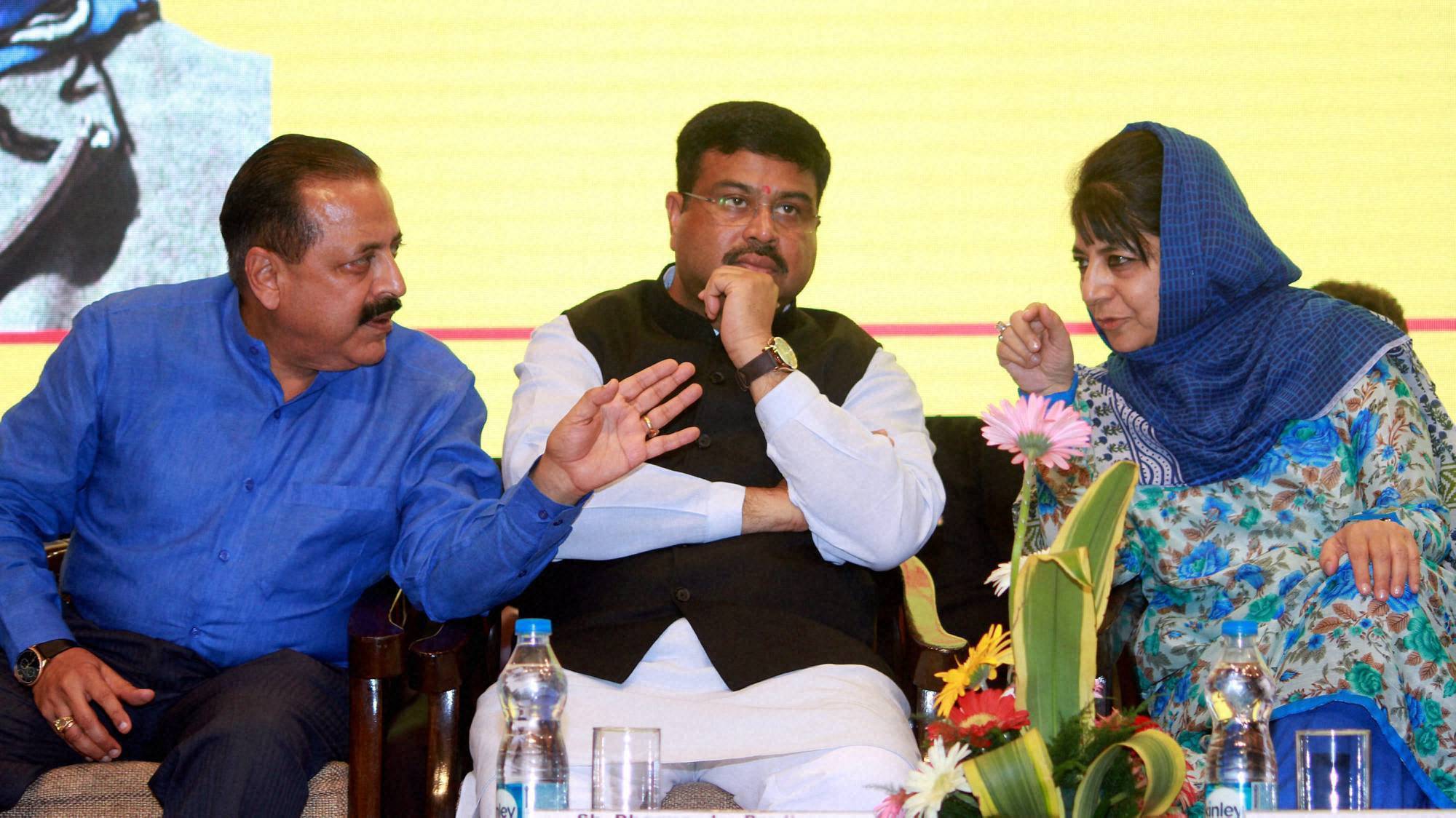
But Modi's stewardship of India, as well as the rest of the region, will only be complete when the prime minister takes decisive action to end the ongoing crisis in Kashmir. He must act immediately by opening unconditional dialogue with Kashmiris of all hues – both Chief Minister Mehbooba Mufti as well as the Hurriyat. After all, these are Indian citizens and they need the rights as well as the dignity that the Indian Constitution gives them. Unfortunately, the attacks at the Uri Army Base has completely distracted domestic and international attention from the primary crisis in the Kashmir Valley.
Simultaneously, Prime Minister Modi must move bilaterally, if necessary, with every other South Asian nation and take forward the basic agendas of better health, education, and nutrition that is the fundamental right of all South Asian citizens. India must learn how to tackle hunger from Bangladesh, and how to improve basic health from Sri Lanka.
Meanwhile, the decision to create a South Asian Free Trade Area (SAFTA) has been in the works since 2006, when the SAARC Summit was held in New Delhi. But of course, nothing has moved on that front. India must show leadership and implement trade and transit arrangements across the region, from Afghanistan to Bangladesh, from Nepal to the Maldives.
The region is looking at India once again. India cannot fail the region.
Jyoti Malhotra is a senior journalist who writes on foreign policy and domestic Indian politics.
The views expressed here are those of the author's and do not necessarily represent the views of BloombergQuint or its editorial team.
Also Read
Market Plunges As Indo-Pak Tensions Escalate: Is It A Good Time To Buy?
Attack Injects Caution Into Stellar Quarter for Indian Markets
No Dramatic Negative Impact On Markets From India-Pakistan Tensions: Anindya Chatterjee

-
Getting To Work Costs Women More | The Reason Why

It is not just about women paying more than men. It is about women paying much more in cities than in villages.
-
AI Bias In Investing Cannot Be Eliminated, But It Can Be Governed
Framing is a particularly important example as identical financial information presented in terms of gains rather than losses can lead an LLM to reach a different assessment.
-
Joining The Dots | Dark Skies, Steady Diya: Why Hope Holds This Diwali
With war, a weak rupee and foreign outflows weighing on sentiment, policymakers at the NDTV World Summit and market veterans at NDTV Profit Ignite: Diwali Edition offered the same advice: stay invested and filter out the noise.
-
The Curious Case of Equitas Small Finance Bank And A CEO Who Quit For Stock
PN Vasudevan believes persistent investor concerns over a perceived conflict of interest had become a governance overhang on Equitas Small Finance Bank's stock, even as the lender improved profitability and asset quality.
-
Talking Points This Week: AI Cash Burn, A Tiger Comeback And An India That Still Finds Its Own Path
India is not immune to higher oil or tighter global liquidity, yet its earnings base is broader, its domestic policy levers are still available.
-
Foreign Investors Own Half Of HDFC Bank and ICICI Bank. An LTCG Cut Could Matter Most Here
Foreign portfolio investors have US$115 billion parked in HDFC Bank, ICICI Bank. If the government cuts long-term capital gains tax, Jefferies says returning foreign money could land here first.
-
'Never Seen This Level Of Negativity': Sandeep Tandon Says The Next Rally May Be Closer Than You Think
Veteran investor Sandeep Tandon says foreign selling is easing, large-caps are due a comeback and mid-caps are crowded, while he turns positive on gold, power and pharma this Diwali.
-
Indians Stay With Family, Not In Hotels | The Reason Why
India still lacks enough clean, reliable and affordable hotels for budget-conscious travellers.
-
The Economic Imperative: Analysing The Material Driving Force Behind India-Canada Strategic Reset
This economic complementarity is further reinforced by deep institutional investment ties and talent mobility, which form the bedrock of the bilateral framework.
-
Medicine Pricing: Where Must Profit Stop?
India must confront excessive margins, hidden incentives and regulatory gaps that threaten the integrity of medicine.










