Aditya Puri Sees A Sharp Jump In Salary, Stock Options Exercised In FY20
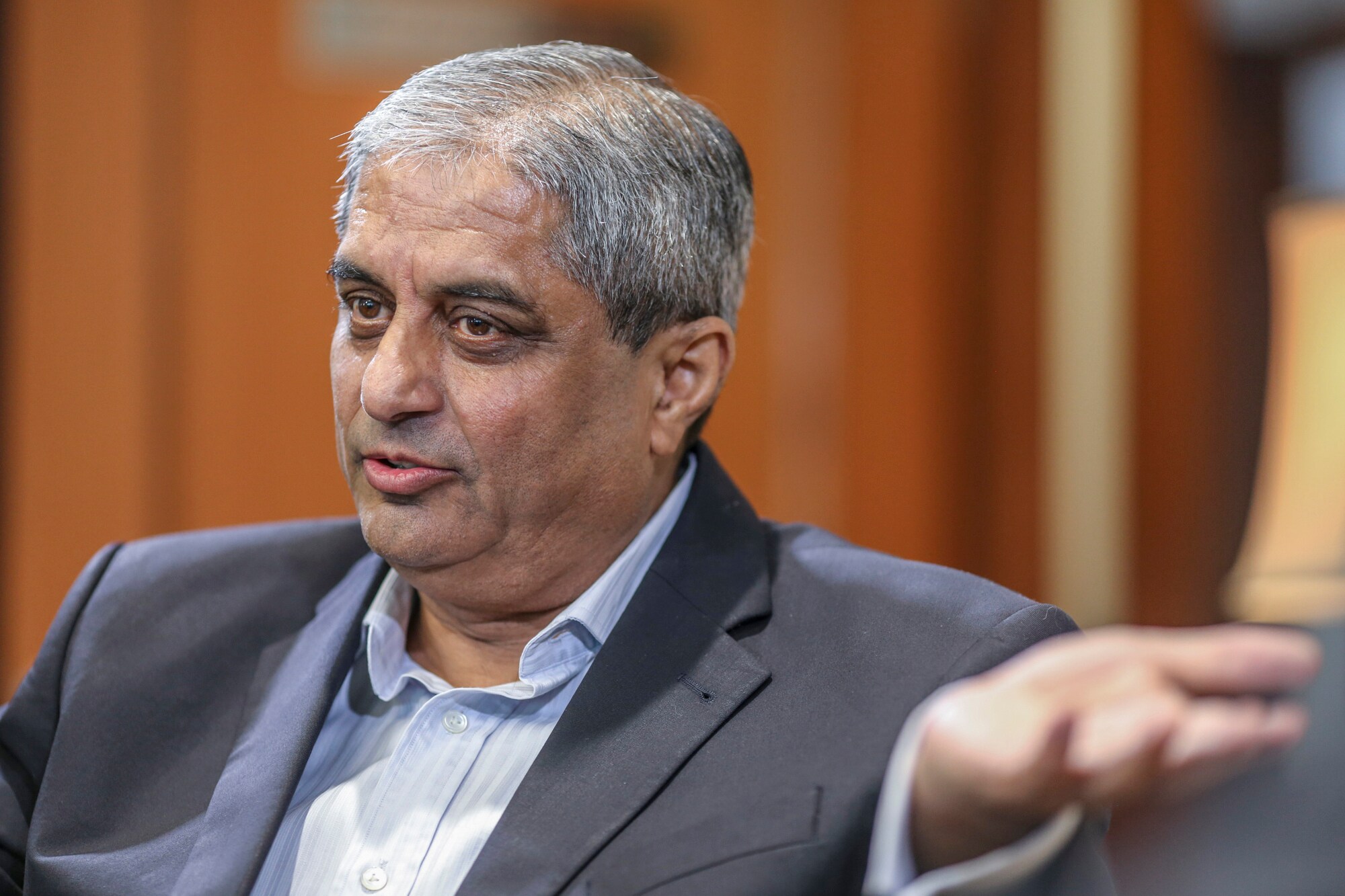
Aditya Puri, the long-time chief executive officer of India's largest private lender HDFC Bank Ltd., saw a sharp increase in his salary in 2019-20. He also netted the most in at least the last five years by exercising stock options, though his shareholding in the bank remained unchanged at the start and end of the year.
The bank's annual report shows that Puri's salary rose to Rs 15.92 crore in FY20 compared to Rs 10.73 crore in FY19 and Rs 7.62 crore in FY18. With perquisites, gross salary rose to Rs 18.12 crore from Rs 13 crore last year and Rs 9 crore a year before.
The remuneration tables listed on page 131 of the annual report suggests a 48% jump in salary and a 39% increase in gross salary. However, on page 136, the bank says that Puri's remuneration rose 20%.
An email and message sent to HDFC Bank's communication team seeking clarity was not immediately answered.
Puri is slated for retirement in October as he has reached the age of 70.
HDFC Bank has already shortlisted three potential successors to Puri, including two insiders Sasidhar Jagdishan and Kaizad Bharucha, as well as Sunil Garg, head of Citi Commercial Bank. The bank is awaiting regulatory approval for its next MD & CEO.
As per the latest annual report, Puri's annual remuneration was 282 times that of the remuneration for median employees during the year.
Kaizad Bharucha, executive director at HDFC Bank, had a gross salary of Rs 8.6 crore and his annual remuneration was 128 times that of the median employees. Sasidhar Jagdishan's gross salary stood at Rs 2.9 crore.
Stock Options Exercised
A Citibank veteran, Puri was part of the founding team behind HDFC Bank in 1995. He has served as the bank's chief executive since then. Over the last 25 years, the bank has positioned itself as one of the leading retail lending institutions and does a considerable share of corporate financing as well. In the quarter ended March 31, HDFC Bank reported a net profit of Rs 6,927 crore, up from Rs 5,885 crore a year earlier.
Apart from being the bank's leader, Puri has also developed its subsidiaries. HDB Financial Services Ltd., a non-banking finance company where HDFC Bank owns controlling stake has grown into a strong lender to small businesses across India.
Over the years, Puri has been allotted stock options in HDFC Bank and HDB Financial.
Puri's family office, through Vistra ITCL (India) Ltd., held 0.189% stake in HDB Financial as of March 31, 2019. However, by the end of FY20, that shareholding was sold. The shareholding of HDB Financial no longer shows any direct holding of Puri of Vistra ITCL. He continues to hold the position of chairman and non-executive director at the company.
The remuneration paid to private bank CEOs has been part of the regulator's banking reform agenda since last year. In November 2019, the RBI brought out new norms governing this.
As part of its norms, the regulator said that private bank boards must revisit the remuneration they pay their CEOs and that at least half of it has to be in the form of variable pay. The regulator also capped variable pay, including stock options, at 300% of the fixed pay.
It is not clear whether HDFC Bank has restructured salary packages following the RBI's news rules.
The RBI also mandated a claw-back provision in the salary package for whole-time directors of the bank, stating that these directors must repay their bonuses if the bank is found to have been involved in improper reporting of financial data or other impropriety. HDFC Bank has had a claw-back clause in the contracts for its whole-time directors for some time now.

-
Signature Play: The Classic Cocktail Is Dead. Or Is It?

Classic cocktails are disappearing from India's cocktail menus. But they're still being ordered, taught to bartenders and borrowed from. So, who's really having the last drink?
-
A New Samvat Wishlist: Inclusive Prosperity And Human Development
India has strengthened its economic foundations through infrastructure, digital access and enterprise. Its next growth chapter must deepen productivity, create better livelihoods and widen participation in prosperity.
-
Love, Sex Aur Dhokha: The Audacious Plot To Spy On Jensen Huang
A Taipei dinner, a Singapore chip buyer and a suspected Chinese asset: inside the alleged spy operation that got close to NVIDIA's Jensen Huang.
-
Ten Things I Learnt This Samvat
Patience can be a trap. Cheap stocks can stay cheap. Leverage can wipe you out. What did Samvat 2082 teach us? Niraj Shah writes on 10 lessons from the year gone by.
-
Talking Points This Week: Tech Nerves, FII Buying, And A Faraway Banking Shock
The global markets are not shining this Diwali. The exception in the large markets is, India.
-
Midterm Rally Lasted A Day. The Hard Reality Of A Divided US May Last Two Years | Opinion
Between a contested AI boom, a debt ceiling that arrives in 2027 and a president with every incentive to act alone, the next two years may prove more volatile than the first day's rally suggests.
-
Blue Wave Will Derail the AI Trade but Won't Dismantle the AI Era | Unhedged Position
The Democrats' sweep of the US Congress will see politics collide with economic forces both over the long and short term.
-
It's Time To Take The GST Council's Bet On Trust Global
Payment records can prove India's services exports, and clear, proportionate rules can bring foreign digital sellers into the tax net.
-
Opinion | India at 38: From Innovation Overperformer to Innovation Powerhouse
India now has 453 VC-backed deep science startups, 18 of them late-stage, after 117 percent growth since 2020. Laurus Labs, at USD 9.3 billion, is the most valuable deep science company in any middle-income economy outside China.









