Adding the Gita, Omitting Nehru: Ideology and Education in India
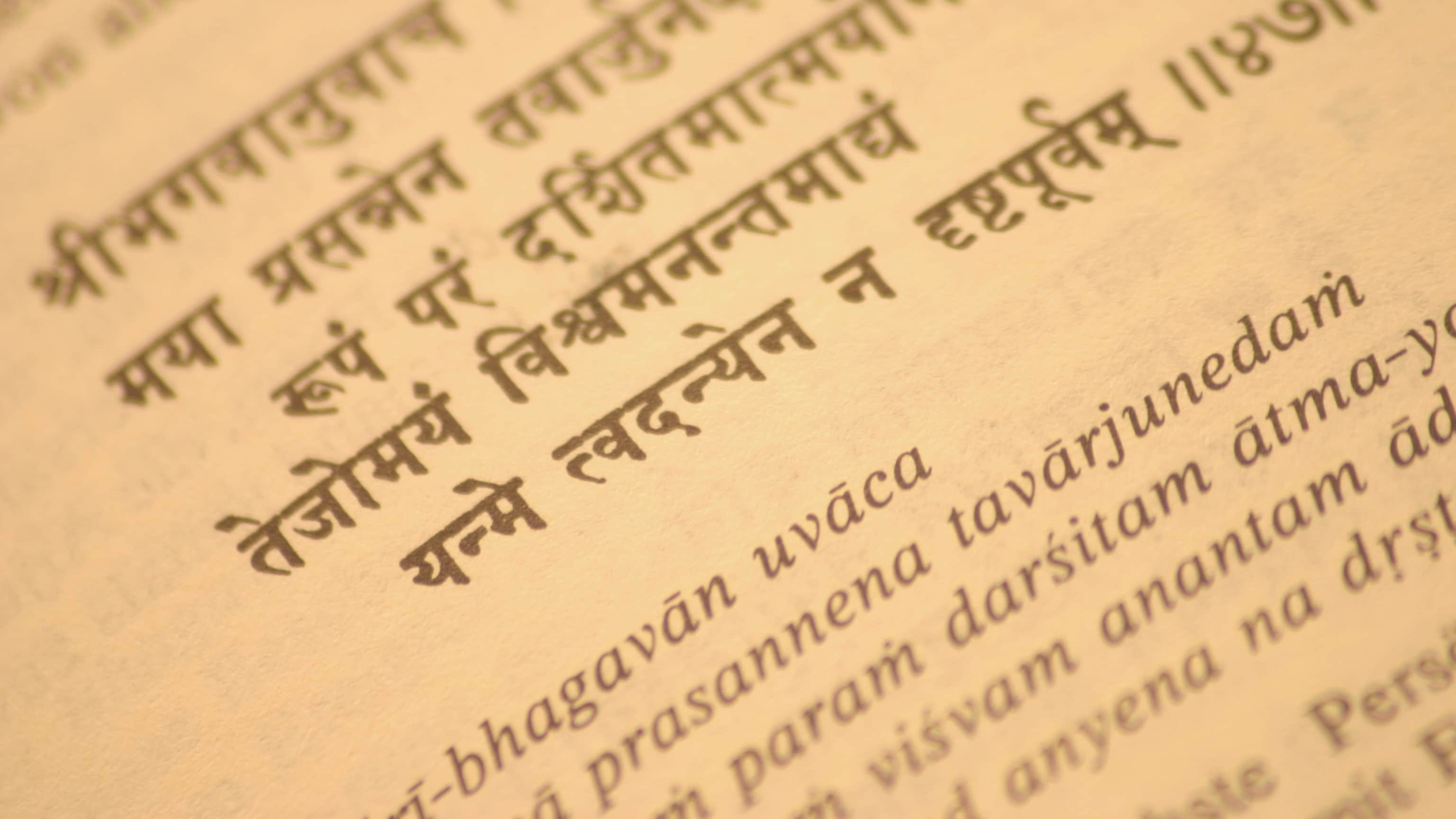
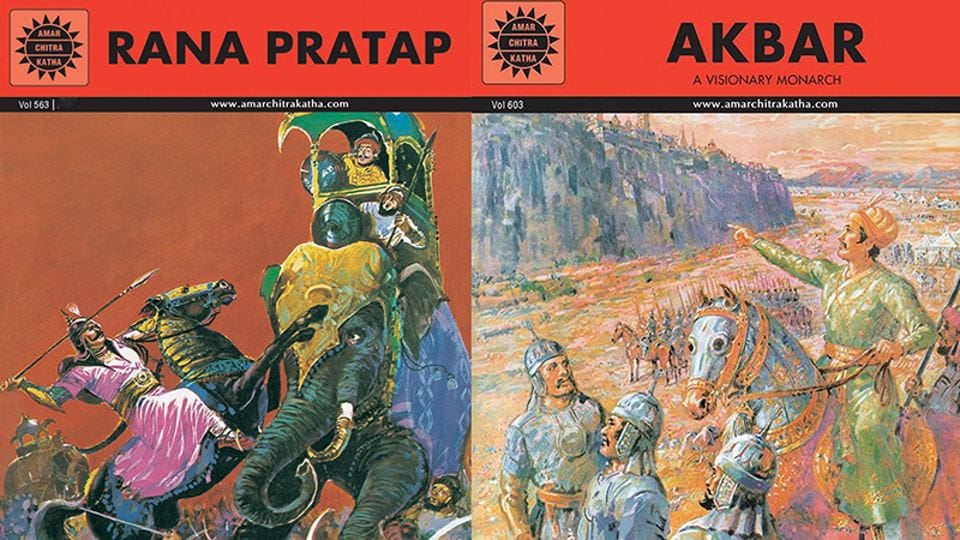
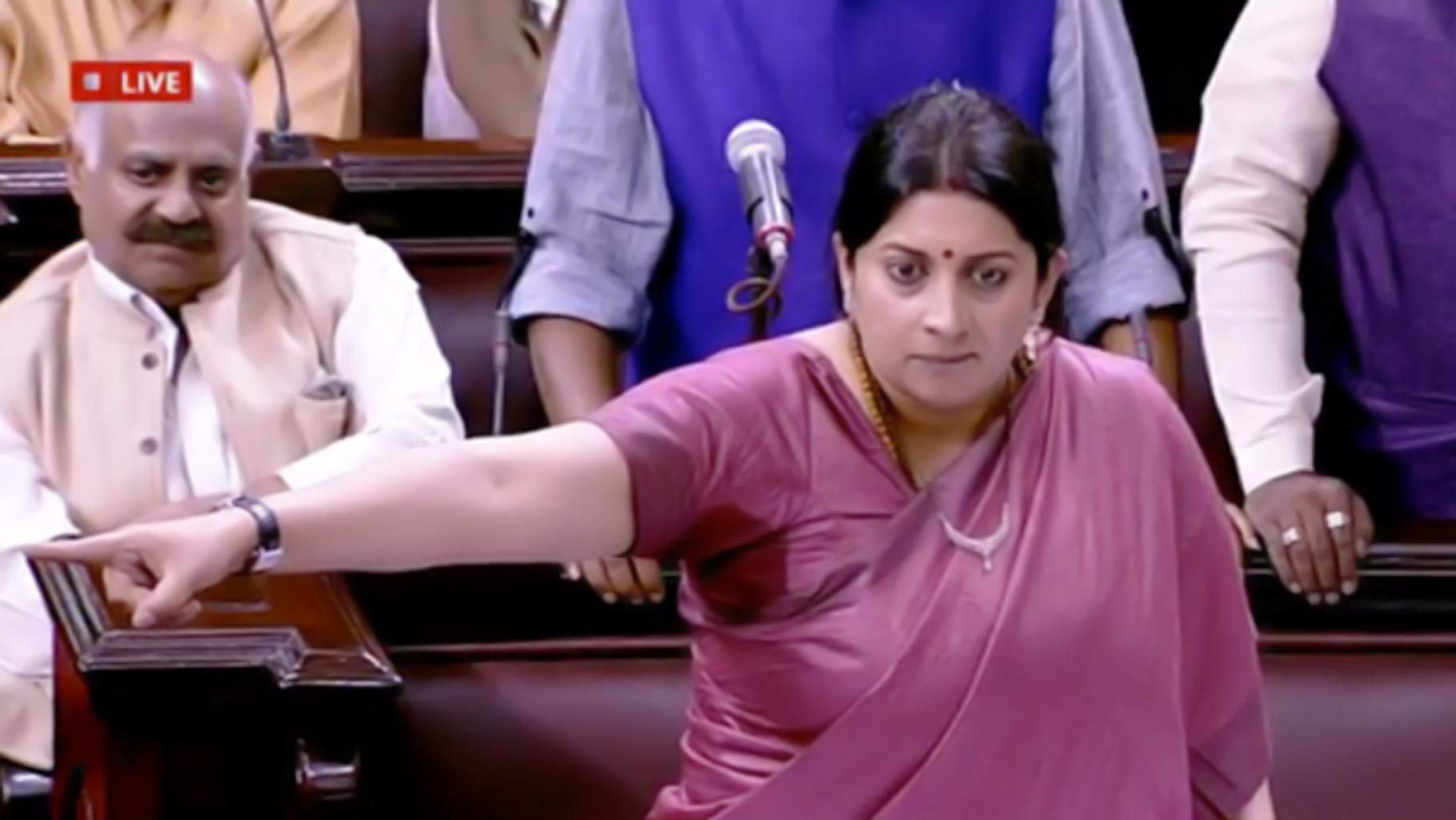
Haryana's children will learn the Gita in schools. There have also been reports of RSS educationist Dinanath Batra writing a book on moral education for the state's school curriculum. In Rajasthan, the state government had deleted large parts of the history syllabus that mentioned Jawaharlal Nehru. Rajasthan's school books also contain “letter from a cow” and increased references and valourisation of Maharana Pratap of Mewar over the Mughal Emperor Akbar. And in the centre, Smriti Irani told Parliament that IIT's have been asked to teach to Sanskrit.
Also Read: Nehru Isn't the Only Omission From Rajasthan's New SST Textbook
These moves, among others, are seen by the BJP's detractors as evidence of attempts to “saffronise” the education system. The battle over the content of our school syllabuses, particularly history, is not a new one. And the BJP's primary foe is not the Congress, but rather, the other ideological movement in India.
Between Red and Saffron, Education Is an Old Battle
Between 1977 to 1979 the Janata Party government, which had a large number of former Jan Sangh (the predecessor of the BJP), members ruled at the Centre. During that time, Jan Sangh members and the RSS launched a campaign against NCERT history books. The brunt of the attack was directed at Romila Thapar's Medieval India and Bipin Chandra's Modern India. Both historians have Marxist sympathies. The books were called “anti-national” (yes, it's an old epithet) because they did not sufficiently criticise Muslim “invaders” and critically analysed the role of leaders like Bal Gangadhar (Lokmanya) Tilak and Sri Aurobindo in the development of Hindu-Muslim relations.
Also Read: Akbar Vs Rana Pratap? A Comic Book Had the Answer in 1973
More recently, under Atal Bihari Vajpayee, a new set of history books were brought in by the NCERT in 2002. The goal was to free the education system from what they thought of as Marxist and Congress control. Unsurprisingly, In 2004, when the NDA was voted out of power, the revised syllabus was discarded.
For both the Communists and the RSS-BJP ideology, controlling education is not just a matter of governance, or creating a viable, informed and employable labour force. It is an ideological imperative.
Education, An End In Itself
India doesn't have an Education Minister. We have a ministry for Human Resource Development. But both the BJP and the Communists have an ideological aim and it becomes most evident when it comes to education.
For the Left, Socialism and Secularism are of paramount importance. The accusation against them stems from this. According to their detractors, they tend to gloss over the excesses of India's Muslim rulers and give undue space to aspects of world history that have little relevence.
I know the Marxists want to create a “socialist man”, but does that mean I had to mug up everything on the Russian Revolution in Class 8? Is that really useful?Aseem, BBA Student at Delhi University
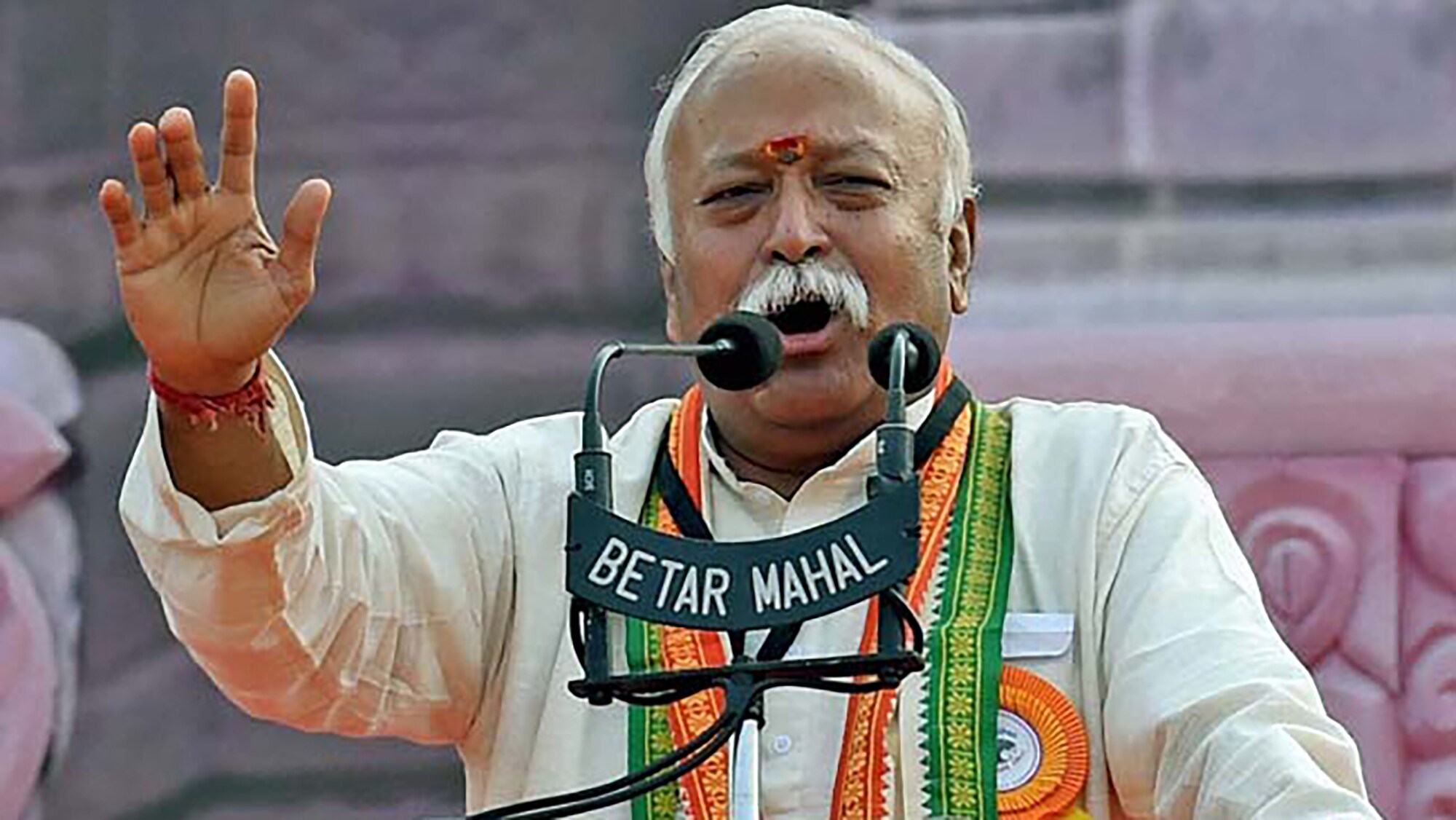
For the RSS, the agenda is a Hindu Rashtra and seemingly non-secular elements are being incorporated in school education. This alleged ‘saffronisation', at least in a certain section of the intelligentsia, has evoked greater ire than the supposedly Marxist history that preceded it.
The reasons for the discrepancy are fairly straightforward.
1. Academics with Marxist leanings have been at the forefront of research and teaching in India, influencing generations of students and academics. Also, their academic credentials and influence have validity beyond their ideology.
2. The Communists have rarely had power in the Centre. So while academics may have certain leanings, they had to work with and under Congress governments. This moved their writing more to the centre.
A slight ideological bent is clearly something that has been part of India's education system for a long time. The problem now seems to be the lack of subtlety and balance in implementing the new agenda.

-
Indians Are Travelling, But Not Every Journey Is A Holiday | The Week In Whys

Pilgrims, patients and working women are the real travellers, and the system hasn't quite caught up with them.
-
Getting To Work Costs Women More | The Reason Why
It is not just about women paying more than men. It is about women paying much more in cities than in villages.
-
AI Bias In Investing Cannot Be Eliminated, But It Can Be Governed
Framing is a particularly important example as identical financial information presented in terms of gains rather than losses can lead an LLM to reach a different assessment.
-
Joining The Dots | Dark Skies, Steady Diya: Why Hope Holds This Diwali
With war, a weak rupee and foreign outflows weighing on sentiment, policymakers at the NDTV World Summit and market veterans at NDTV Profit Ignite: Diwali Edition offered the same advice: stay invested and filter out the noise.
-
The Curious Case of Equitas Small Finance Bank And A CEO Who Quit For Stock
PN Vasudevan believes persistent investor concerns over a perceived conflict of interest had become a governance overhang on Equitas Small Finance Bank's stock, even as the lender improved profitability and asset quality.
-
Talking Points This Week: AI Cash Burn, A Tiger Comeback And An India That Still Finds Its Own Path
India is not immune to higher oil or tighter global liquidity, yet its earnings base is broader, its domestic policy levers are still available.
-
Foreign Investors Own Half Of HDFC Bank and ICICI Bank. An LTCG Cut Could Matter Most Here
Foreign portfolio investors have US$115 billion parked in HDFC Bank, ICICI Bank. If the government cuts long-term capital gains tax, Jefferies says returning foreign money could land here first.
-
'Never Seen This Level Of Negativity': Sandeep Tandon Says The Next Rally May Be Closer Than You Think
Veteran investor Sandeep Tandon says foreign selling is easing, large-caps are due a comeback and mid-caps are crowded, while he turns positive on gold, power and pharma this Diwali.
-
Indians Stay With Family, Not In Hotels | The Reason Why
India still lacks enough clean, reliable and affordable hotels for budget-conscious travellers.
-
The Economic Imperative: Analysing The Material Driving Force Behind India-Canada Strategic Reset
This economic complementarity is further reinforced by deep institutional investment ties and talent mobility, which form the bedrock of the bilateral framework.










