About 160 Global Retailers Poised To Set Up Shop In India This Year
A swarm of global retailers are queuing up to open stores in India, where the new generation shoppers are hungry for more glitzy brands.
As many as 160 brands are currently in talks, seeking partners to enter the country's red-hot retail sector this year, according to data from Franchise India Holdings Ltd., which helps foreign companies find partners in India.
This will be the highest number of foreign brands entering India in one year so far, based on data from the franchising solutions firm.
These brands are expected to open 5,000 stores through the franchise route over the next five years, and cumulatively invest about $250 million, Gaurav Marya, chairman of Franchise India Holdings, told NDTV Profit.
The brands are primarily from the food and beverages segment. And, in particular, cafe and coffee chains outnumber the traditional burger-to-pizza chains.
It includes Thailand's largest branded coffee chain, Cafe Amazon, and Starbucks rival Peet's Coffee—a California-based specialty coffee roaster and retailer—just to name a few. The global coffee chains' India bet partly underscores Starbucks' urgency to open one store every three days in the country, taking its total count to 1,000 by 2028.
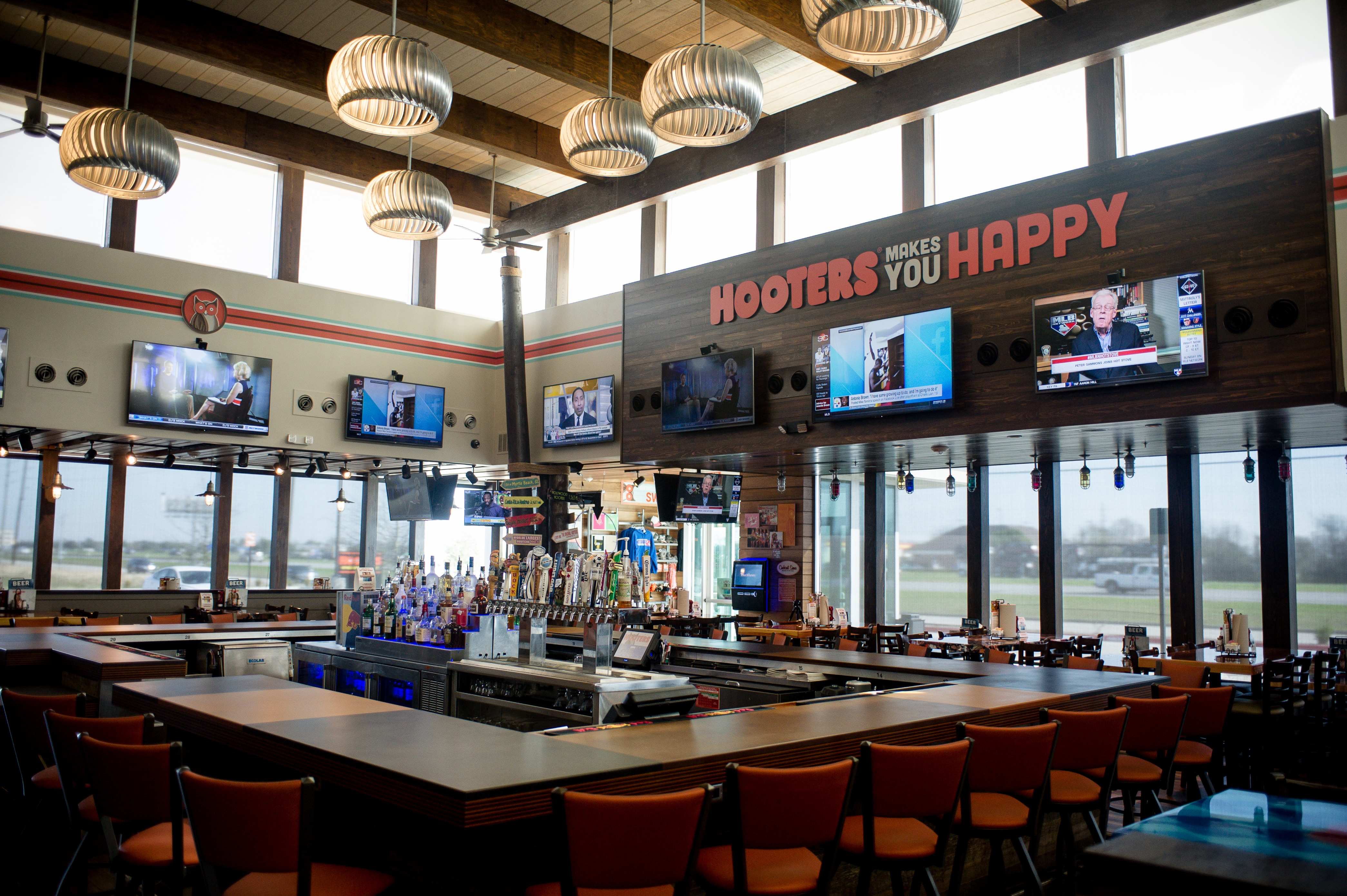
The Atlanta-based restaurant chain, Hooters, plans to open 30-50 stores in north, west, and south India. Each market will have between 10 and 15 stores, and one or two franchisees. "India is a big market, a growing market, and one that we see as being very successful for us," according to Michael Arrowsmith, chief development officer at Hooters. The chain is globally known for its all-female service staff and laid-back beach vibes.
There are even some re-entrants—Belgian bakery and restaurant chain Le Pain Quotidien, American fast food restaurant chain Quiznos, French furniture maker Gautier, and South Africa-based fast food chain Barcelos.
The likes of Jani-King, an American chain of commercial cleaning service; U.S.-based fitness boutique Burn Boot Camp and Finland's SuperPark are also drawn by India's retail market and burgeoning affluence.
"It's not just the big brands, but today even the small and mid-size foreign brands understand the significance of (the) India market," said Venus Barak, chief executive officer, international business at Franchise India Holdings.
Several of these brands had shown interest decades ago but couldn't make a foray due to infrastructure and regulatory woes, Barak said.
U.S.-based health juice brand Jamba identified India as a priority market back in 2013, when the domestic juice market was in its infancy. The brand, owned by Focus Brands, was looking for a suitable local partner but it had shelved its plans. Decades later, however, it has revived its plans with the country's vast young consumers frequenting cafes more than ever.
"Things [ways of doing business in India] have also changed now, because of geopolitical dominance and global exposure," Barak said.
India allows 100% foreign direct investment in the retail sector through the automatic route for single-brand retailers and manufacturers. The world's largest furniture retailer Ikea has operations in the country through the FDI route, while Apple opened two of its stores last year in the same way.
The most convenient route to enter a new market, however, is to involve local partners. The retail arm of Reliance Industries Ltd., for instance, has brought some of the biggest international fashion and retail brands to India such as Jimmy Choo, Burberry, Michael Kors, Armani Exchange, and most recently Parisian fashion brands Maje and Sandro.
Brands like Nine West have joined hands with Bata India, while Foot Locker has tied up with Metro Brands and Nykaa Fashion to build its omnichannel play. Swiss luxury chocolate brand Laderach has partnered with DS Group recently.
Propelled by strong leasing momentum and new store launches, the country's mall operators have lined up aggressive expansion plans. The supply of retail space in malls is expected to rise by 43%, with an addition of about 40 million square feet of stock by 2027 across Delhi-NCR, Mumbai, Pune, Bengaluru, Kolkata, Chennai and Hyderabad, according to a report by real estate consultant JLL India Pvt.
"India continues to be the preferred destination for international brands and most brands have opened their first stores in India at high-grade retail developments in Delhi NCR and Mumbai,” the report said.

-
Joining The Dots | Dark Skies, Steady Diya: Why Hope Holds This Diwali

With war, a weak rupee and foreign outflows weighing on sentiment, policymakers at the NDTV World Summit and market veterans at NDTV Profit Ignite: Diwali Edition offered the same advice: stay invested and filter out the noise.
-
The Curious Case of Equitas Small Finance Bank And A CEO Who Quit For Stock
PN Vasudevan believes persistent investor concerns over a perceived conflict of interest had become a governance overhang on Equitas Small Finance Bank's stock, even as the lender improved profitability and asset quality.
-
Talking Points This Week: AI Cash Burn, A Tiger Comeback And An India That Still Finds Its Own Path
India is not immune to higher oil or tighter global liquidity, yet its earnings base is broader, its domestic policy levers are still available.
-
Foreign Investors Own Half Of HDFC Bank and ICICI Bank. An LTCG Cut Could Matter Most Here
Foreign portfolio investors have US$115 billion parked in HDFC Bank, ICICI Bank. If the government cuts long-term capital gains tax, Jefferies says returning foreign money could land here first.
-
'Never Seen This Level Of Negativity': Sandeep Tandon Says The Next Rally May Be Closer Than You Think
Veteran investor Sandeep Tandon says foreign selling is easing, large-caps are due a comeback and mid-caps are crowded, while he turns positive on gold, power and pharma this Diwali.
-
Indians Stay With Family, Not In Hotels | The Reason Why
India still lacks enough clean, reliable and affordable hotels for budget-conscious travellers.
-
The Economic Imperative: Analysing The Material Driving Force Behind India-Canada Strategic Reset
This economic complementarity is further reinforced by deep institutional investment ties and talent mobility, which form the bedrock of the bilateral framework.
-
Medicine Pricing: Where Must Profit Stop?
India must confront excessive margins, hidden incentives and regulatory gaps that threaten the integrity of medicine.
-
Why Amazon And Flipkart Are Struggling To Beat Meesho In India's Smaller Cities
With 274 million users and lowest-cost logistics, Meesho is defending its value commerce crown against giants like Amazon and Flipkart.
-
High US Salaries, No Green Card Certainty: The Financial Calculation Facing Indian H-1B Families
The suspension of PERM processing at eight technology employers does not cancel existing H-1B visas. What it does is force a question many Indian families have been avoiding: is the US salary worth tying your career and family plans to one employer?










