On Zoom, ‘You’re On Mute’ Is Now ‘Are You Real?’
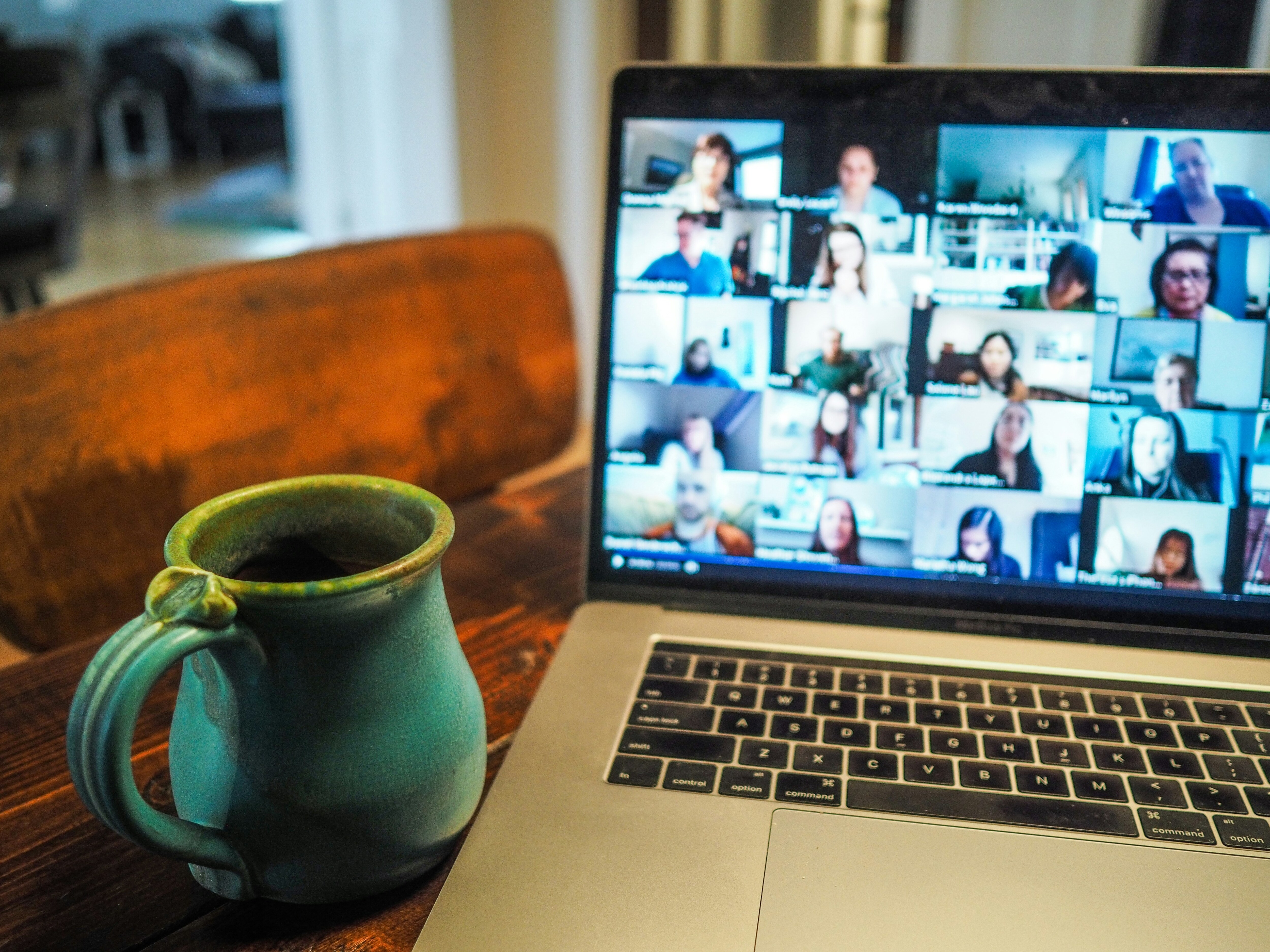
(Bloomberg Opinion) -- Is the boss who's giving you an order real or just realistic? Deepfakes are now taking Zoom calls to another level of awkwardness, by making us question whether our co-workers are genuine. A finance worker in Hong Kong transferred more than $25 million to scammers after they posed as his chief financial officer and other colleagues on a video conference call, marking perhaps the biggest known corporate fraud using deepfake technology to date. The worker had been suspicious about an email requesting a secret transaction, but the scammers looked and sounded so convincing on the call that he sent the money.
Corporate IT managers have spent more than a decade trying, often fruitlessly, to train office workers to spot phishing emails and resist the urge to click on dodgy attachments. Often hackers and fraudsters need just one person out of hundreds to inadvertently download the malware needed to tunnel into a corporate network. With AI-powered video tools, they're moving into territory we have considered safe, underscoring how quickly deepfake technology has developed in just the last year. While it sounds like science fiction, such elaborate frauds are now relatively easy to set up, ushering us into a new age of skepticism.
The fraud in Hong Kong almost certainly used real-time deepfakes, meaning that the fake executive mirrored the scammer as they listened, talked and nodded during the meeting. According to David Maimon, a criminology professor at Georgia State University, online fraudsters have been using real-time deepfakes on video calls since at least last year for smaller-scale fraud including romance scams.
Maimon posted the video below to LinkedIn, showing a demo from developers who are selling deepfake video tools to potential fraudsters. In it, you can see the real image of a man on the left and his fake persona on the right, a beautiful young woman scamming the male victim in the middle:
This is uncharted territory for most of us, but here's what the Hong Kong victim could have done to spot the deepfake, and what we'll all need to do in the future for sensitive video calls:
- Use visual cues to verify who you're talking to. Deepfakes still can't do complex movements in real time, so if in doubt, ask your video conference counterpart to write a word or phrase on a piece of paper and show it on camera. You could ask them to pick up a nearby book or perform a unique gesture, like touching their ear or waving a hand, all of which can be difficult for deepfakes to replicate convincingly in real-time.
- Watch the mouth. Look out for discrepancies in lip syncing or weird facial expressions that go beyond a typical connection glitch.
- Employ multi-factor authentication. For sensitive meetings, consider involving a secondary conversation via email, SMS or an authenticator app, to make sure the participants are who they claim to be.
- Use other secure channels. For critical meetings that will involve sensitive information or financial transactions, you and the other meeting participants could verify your identities through an encrypted messaging app like Signal or confirm decisions such as financial transactions through those same channels.
- Update your software. Make sure that you're using the latest version of your video conferencing software in case it incorporates security features to detect deepfakes. (Zoom Video Communications did not reply to questions about whether it plans to make such detection technology available to its users.)
- Avoid unknown video conferencing platforms. Especially for sensitive meetings, use well-known platforms like Zoom or Google Meet that have relatively strong security measures in place.
- Look out for suspicious behavior and activity. Some strategies stand the test of time. Be wary of urgent requests for money, last-minute meetings that involve big decisions, or for changes in tone, language or a person's style of speaking. Scammers often use pressure tactics so beware of any attempts to rush a decision too.
Some of these tips could go out of date over time, especially visual cues. As recently as last year, you could spot a deepfake by asking the speaker to turn sideways to see them in profile. Now some deepfakes can convincingly move their heads side to side.
For years fraudsters have hacked into the computers of wealthy individuals, hoovering up their personal information to help them get through security checks with their bank. But at least in banking, managers can create new processes to force their underlings to tighten up security. The corporate world is far messier, with an array of different approaches to security that allow fraudsters to simply cast their nets wide enough to find vulnerabilities.
The more people wise up to the possibility of fakery, the less chance the scammers will have. We'll just have to pay the price as the discomfort of conference calls becomes ever more agonizing, and the old Zoom clichés about your peers being on mute morph into requests for them to scratch their noses.
More From Parmy Olson in Bloomberg Opinion:
- Can Taylor Swift Save Humanity From AI's Dark Side?
- Facebook's Tolerance for Audio Deepfakes Is Absurd
- Can an AI CEO Stop a Storm of Fake Election Images?
This column does not necessarily reflect the opinion of the editorial board or Bloomberg LP and its owners.
Parmy Olson is a Bloomberg Opinion columnist covering technology. A former reporter for the Wall Street Journal and Forbes, she is author of “We Are Anonymous.”
More stories like this are available on bloomberg.com/opinion
©2024 Bloomberg L.P.

-
Signature Play: The Classic Cocktail Is Dead. Or Is It?

Classic cocktails are disappearing from India's cocktail menus. But they're still being ordered, taught to bartenders and borrowed from. So, who's really having the last drink?
-
A New Samvat Wishlist: Inclusive Prosperity And Human Development
India has strengthened its economic foundations through infrastructure, digital access and enterprise. Its next growth chapter must deepen productivity, create better livelihoods and widen participation in prosperity.
-
Love, Sex Aur Dhokha: The Audacious Plot To Spy On Jensen Huang
A Taipei dinner, a Singapore chip buyer and a suspected Chinese asset: inside the alleged spy operation that got close to NVIDIA's Jensen Huang.
-
Ten Things I Learnt This Samvat
Patience can be a trap. Cheap stocks can stay cheap. Leverage can wipe you out. What did Samvat 2082 teach us? Niraj Shah writes on 10 lessons from the year gone by.
-
Talking Points This Week: Tech Nerves, FII Buying, And A Faraway Banking Shock
The global markets are not shining this Diwali. The exception in the large markets is, India.
-
Midterm Rally Lasted A Day. The Hard Reality Of A Divided US May Last Two Years | Opinion
Between a contested AI boom, a debt ceiling that arrives in 2027 and a president with every incentive to act alone, the next two years may prove more volatile than the first day's rally suggests.
-
Blue Wave Will Derail the AI Trade but Won't Dismantle the AI Era | Unhedged Position
The Democrats' sweep of the US Congress will see politics collide with economic forces both over the long and short term.
-
It's Time To Take The GST Council's Bet On Trust Global
Payment records can prove India's services exports, and clear, proportionate rules can bring foreign digital sellers into the tax net.
-
Opinion | India at 38: From Innovation Overperformer to Innovation Powerhouse
India now has 453 VC-backed deep science startups, 18 of them late-stage, after 117 percent growth since 2020. Laurus Labs, at USD 9.3 billion, is the most valuable deep science company in any middle-income economy outside China.









