90-Hour Debate: Harsh Mariwala Disagrees, Says 'Worked 8-10 Hours A Day On Average'
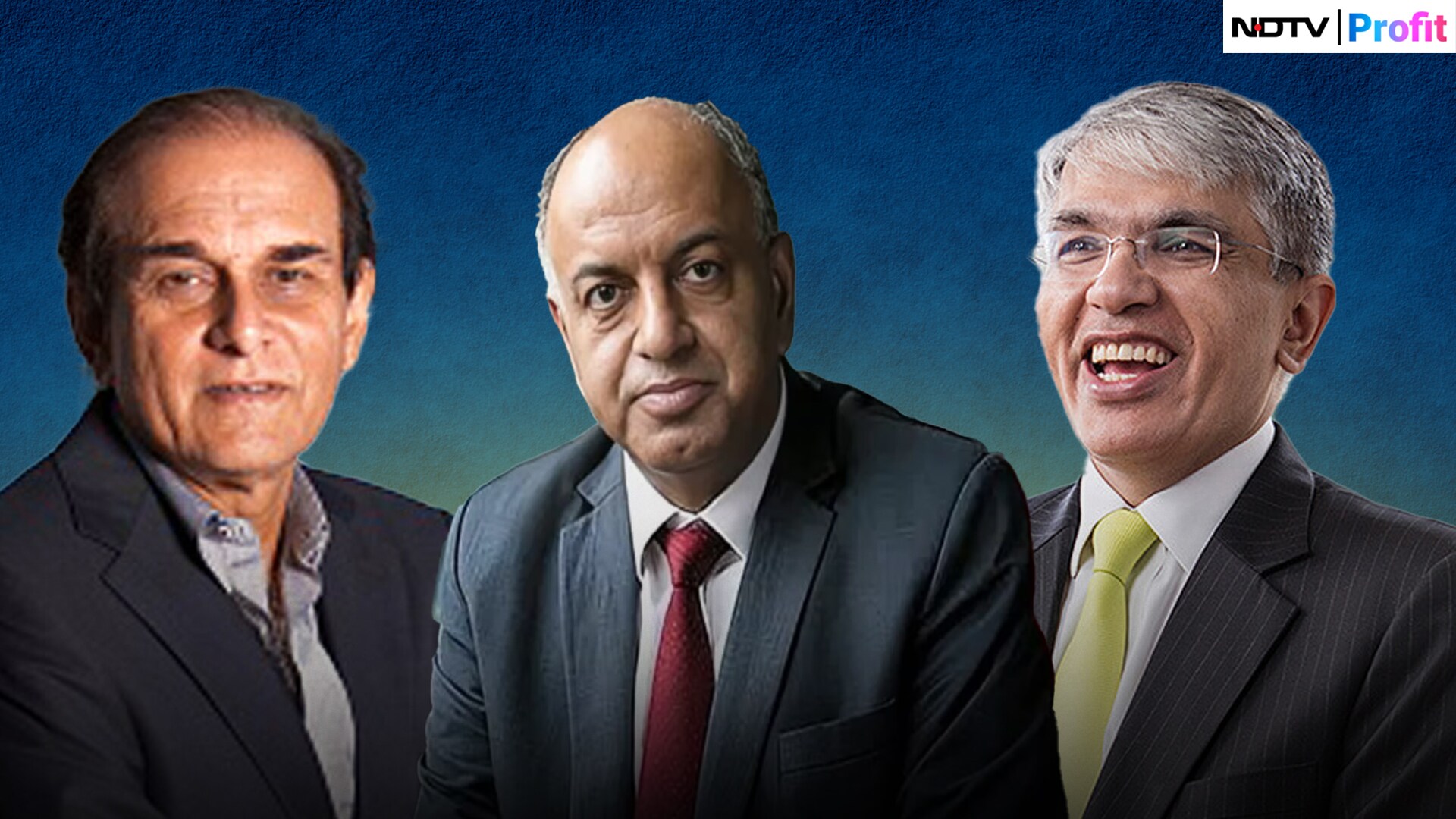
Amid the raging debate over the 90-hour work week—as seemingly pitched by Larsen & Toubro Chairman SN Subrahmanyan in an interaction with employees—Marico Founder and Chairman Harsh Mariwala marked his disagreement.
Speaking to NDTV Profit on Friday, Mariwala said he has not worked for this many hours a week throughout his career, except in some extraordinary cases. "On average, I used to work 8-10 hours a day."
According to Mariwala, the quality of work matters rather than making an employee sit for a particular number of hours. "You can't say I need more time to succeed. Lack of time is a problem. Time is wasted if the organisation structure has flaws," he said.
Mariwala also pointed out that one may put in more hours a week when positioned at a senior level, but the same output should not be expected from those at middle and lower levels.
Employees at lower levels cannot be pushed to work perpetually beyond their scheduled working hours, the Marico chief argued. "They don't have ESOPs (employee stock options)... If pushed, they might join another job."
Mariwala's comments come a day after a video of L&T chief Subrahmanyan went viral, where he is heard saying that he wishes to make employees work on Sunday as well. “I regret I am not able to make you work on Sundays. If I can make you work on Sundays, I will be more happy, because I work on Sundays,” he was heard as saying.
“What do you do sitting at home? How long can you stare at your wife? How long can your wife stare at you?” he added.
After the clip drew flak, L&T issued a statement, saying that the remarks of its chairman reflect an ambition to drive progress and realise the vision of becoming a developed nation.
On being asked whether longer working hours should be linked to nation-building, Mariwala marked his disagreement. "I don't agree with this claim...One has to stretch in periods where deadlines are required to be met. But one can't work in such a manner perpetually," he said.
'Work Hard, Work Smart'
Sanjeev Bikhchandani, the founder and executive vice chairman of Info Edge, also weighed in on the debate over the 90-hour workweek. "In my view, 90 hours a week is not sustainable. It can be done for one or two weeks if there is a crisis, but you cannot do it for 52 weeks a year," he told NDTV Profit.
At the same time, one cannot say that the working hours should be strictly restricted to 9 am to 5 pm only, and one should not put in more than 40 hours a week even if deadlines are pending.
"Work hard and work smart—both are important," Bikhchandani said, while adding that it is crucial for those in the workforce to have an "achievement mindset."
The Info Edge founder also added that he would advise the youth that if they are required to work hard for some time in the initial period of their careers, then they should go for it.
On being asked about his personal working schedule, Bikhchandani said, "I don't count the hours I work, and I don't count the hours I don't work. But I know both sides need to be addressed."
Manish Sabharwal, executive vice chairman of TeamLease, said the hours of working may depend from case to case and individual to individual.
Asked by NDTV Profit about his views on the L&T chief's statement, Sabharwal said he "won't take the statement literally.".
Sabharwal also suggested that an employee at a younger stage of their career should not be advised to put in the efforts based on the amount of salary being drawn. "What you are getting paid at the start of your career shouldn't decide how much work you will put in. That is not good advice," he said.

-
The Curious Case of Equitas Small Finance Bank And A CEO Who Quit For Stock

PN Vasudevan believes persistent investor concerns over a perceived conflict of interest had become a governance overhang on Equitas Small Finance Bank's stock, even as the lender improved profitability and asset quality.
-
Talking Points This Week: AI Cash Burn, A Tiger Comeback And An India That Still Finds Its Own Path
India is not immune to higher oil or tighter global liquidity, yet its earnings base is broader, its domestic policy levers are still available.
-
Foreign Investors Own Half Of HDFC Bank and ICICI Bank. An LTCG Cut Could Matter Most Here
Foreign portfolio investors have US$115 billion parked in HDFC Bank, ICICI Bank. If the government cuts long-term capital gains tax, Jefferies says returning foreign money could land here first.
-
'Never Seen This Level Of Negativity': Sandeep Tandon Says The Next Rally May Be Closer Than You Think
Veteran investor Sandeep Tandon says foreign selling is easing, large-caps are due a comeback and mid-caps are crowded, while he turns positive on gold, power and pharma this Diwali.
-
Indians Stay With Family, Not In Hotels | The Reason Why
India still lacks enough clean, reliable and affordable hotels for budget-conscious travellers.
-
The Economic Imperative: Analysing The Material Driving Force Behind India-Canada Strategic Reset
This economic complementarity is further reinforced by deep institutional investment ties and talent mobility, which form the bedrock of the bilateral framework.
-
Medicine Pricing: Where Must Profit Stop?
India must confront excessive margins, hidden incentives and regulatory gaps that threaten the integrity of medicine.
-
Why Amazon And Flipkart Are Struggling To Beat Meesho In India's Smaller Cities
With 274 million users and lowest-cost logistics, Meesho is defending its value commerce crown against giants like Amazon and Flipkart.
-
High US Salaries, No Green Card Certainty: The Financial Calculation Facing Indian H-1B Families
The suspension of PERM processing at eight technology employers does not cancel existing H-1B visas. What it does is force a question many Indian families have been avoiding: is the US salary worth tying your career and family plans to one employer?
-
Swiggy vs Eternal: Food Delivery's Two Rivals Are No Longer In The Same Race
Eternal is building a private AI assistant, dark.ai. Swiggy is still working out how to make Instamart pay, with an operating loss of Rs 895 crore in the July-September quarter while Blinkit stayed profitable.










