Blinken Meets Turkey’s Erdogan As Middle East Tensions Rise
(Bloomberg) -- US Secretary of State Antony Blinken spoke with top Turkish officials as he started a diplomatic tour aimed at avoiding a broader regional war in the Middle East and rallying Arab support for Gaza's post-conflict governance.
The top US diplomat met with Turkey's president, Recep Tayyip Erdogan, for over an hour on Saturday afternoon after speaking with Foreign Minister Hakan Fidan earlier in the day. Separately, Europe's top foreign policy official was in Lebanon warning against a regional conflict.
Blinken will next make a brief stop in Greece, where he'll meet with Prime Minister Prime Minister Kyriakos Mitsotakis, with whom he's expected to discuss sales of F-35 fighter jets. From there Blinken will crisscross the Middle East over several days, with stops planned in Jordan, Saudi Arabia, the United Arab Emirates, Qatar, Egypt, Israel and the West Bank.

As Israel's war with Hamas in the Gaza Strip is about to enter its fourth month, the US hopes that Turkey can use its influence in the Middle East, including with Iran, to help reduce the chances of a broader conflict.
Washington wants to enlist Ankara's support for plans on how to govern Gaza after the war between Israel and Hamas ends, a senior US official told reporters traveling with Blinken.
Blinken and Fidan discussed Sweden's North Atlantic Treat Organization accession process and the humanitarian situation in Gaza, the Turkish Foreign Ministry said on X, formerly Twitter.
Read more: Blinken to Focus on What Comes Next for Gaza on New Mideast Trip
Blinken's fourth trip to the region since war erupted between Israel and Hamas, following the Oct. 7 attacks that killed 1,200 Israelis, comes as the risk of a regional conflagration grows more serious.
On Saturday, Israeli fighter jets struck Hezbollah targets in southern Lebanon after the militant group fired dozens of rockets into Israel. Hezbollah's rocket volley came after Hamas blamed Israel for a drone strike in the Lebanese capital of Beirut that killed a senior Hamas official earlier this week.
Josep Borrell, the EU's foreign policy chief, was in Beirut on Saturday where he said it was “imperative” to avoid an escalation of hostilities.
“I am sending this message to Israel too: nobody will win from a regional conflict,” Borrell said at a press conference with Lebanon's foreign minister, according to Agence France Presse.
Separately, two blasts in Iran this week that killed almost 100 people — the deadliest attacks since the 1979 founding of the Islamic Republic — have also put the region on edge. Islamic State claimed responsibility for Wednesday's attack.
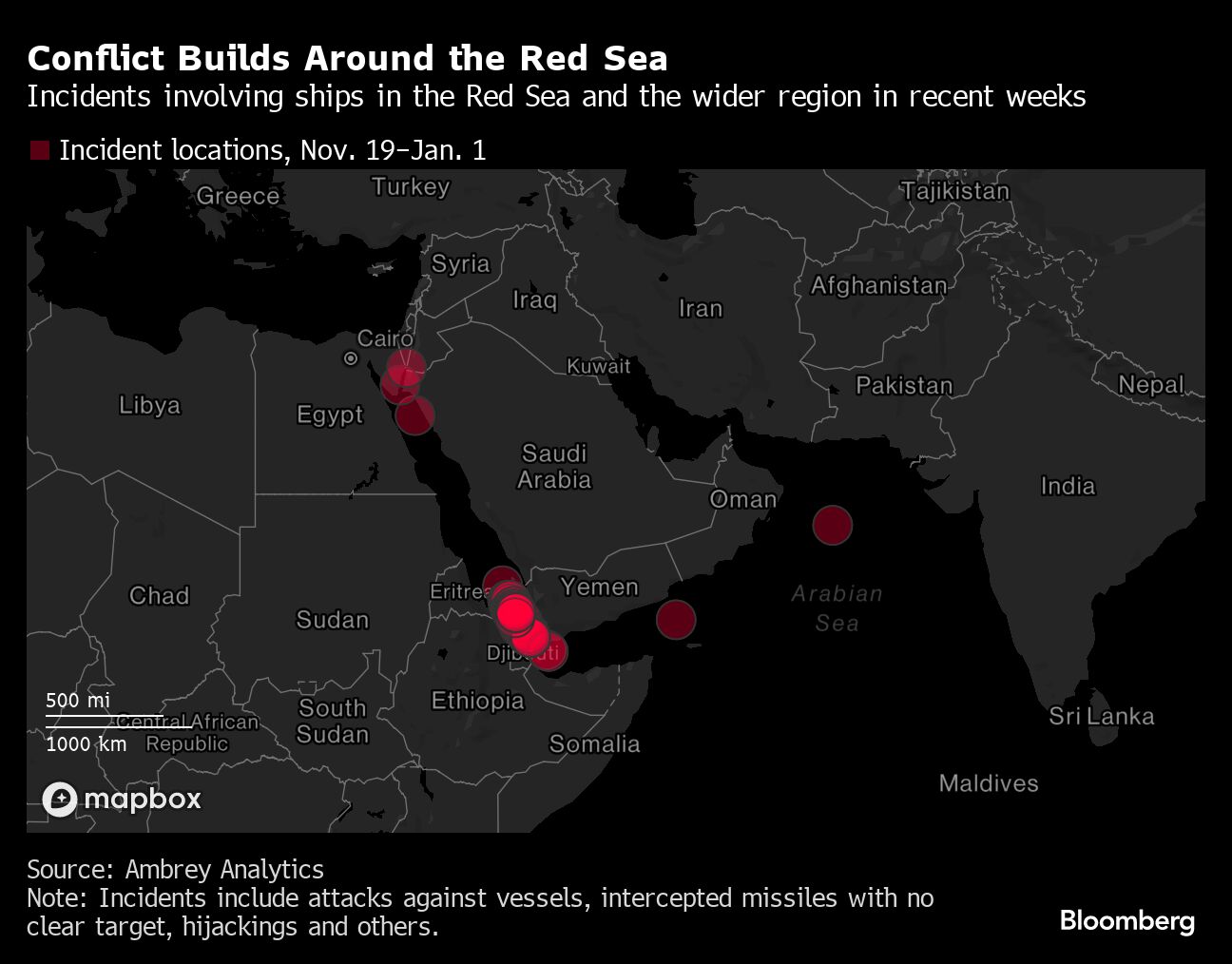
The US has already struck targets in Iraq in response to attacks by Iran-backed militias on US armed forces in the country. A US-led coalition has also warned Houthi militants in Yemen of unspecified “consequences” should attacks on commercial shipping in the Red Sea continue, raising the possibility of further Western strikes in the region.

Blinken will deliver a message across the region that the Biden administration isn't interested in escalating the conflict, but will respond the attacks on its personnel and interests, the senior US official said, adding that Washington expects Arab partners to convey that message onto Iran.
Read more: US Braces for High-Stakes Decisions Over Houthi Sea Strikes
--With assistance from Tugce Ozsoy and Sotiris Nikas.
©2024 Bloomberg L.P.

-
Getting To Work Costs Women More | The Reason Why

It is not just about women paying more than men. It is about women paying much more in cities than in villages.
-
AI Bias In Investing Cannot Be Eliminated, But It Can Be Governed
Framing is a particularly important example as identical financial information presented in terms of gains rather than losses can lead an LLM to reach a different assessment.
-
Joining The Dots | Dark Skies, Steady Diya: Why Hope Holds This Diwali
With war, a weak rupee and foreign outflows weighing on sentiment, policymakers at the NDTV World Summit and market veterans at NDTV Profit Ignite: Diwali Edition offered the same advice: stay invested and filter out the noise.
-
The Curious Case of Equitas Small Finance Bank And A CEO Who Quit For Stock
PN Vasudevan believes persistent investor concerns over a perceived conflict of interest had become a governance overhang on Equitas Small Finance Bank's stock, even as the lender improved profitability and asset quality.
-
Talking Points This Week: AI Cash Burn, A Tiger Comeback And An India That Still Finds Its Own Path
India is not immune to higher oil or tighter global liquidity, yet its earnings base is broader, its domestic policy levers are still available.
-
Foreign Investors Own Half Of HDFC Bank and ICICI Bank. An LTCG Cut Could Matter Most Here
Foreign portfolio investors have US$115 billion parked in HDFC Bank, ICICI Bank. If the government cuts long-term capital gains tax, Jefferies says returning foreign money could land here first.
-
'Never Seen This Level Of Negativity': Sandeep Tandon Says The Next Rally May Be Closer Than You Think
Veteran investor Sandeep Tandon says foreign selling is easing, large-caps are due a comeback and mid-caps are crowded, while he turns positive on gold, power and pharma this Diwali.
-
Indians Stay With Family, Not In Hotels | The Reason Why
India still lacks enough clean, reliable and affordable hotels for budget-conscious travellers.
-
The Economic Imperative: Analysing The Material Driving Force Behind India-Canada Strategic Reset
This economic complementarity is further reinforced by deep institutional investment ties and talent mobility, which form the bedrock of the bilateral framework.
-
Medicine Pricing: Where Must Profit Stop?
India must confront excessive margins, hidden incentives and regulatory gaps that threaten the integrity of medicine.










