Tata Motors Is Uniquely Positioned To Make The Most Of India-UK FTA
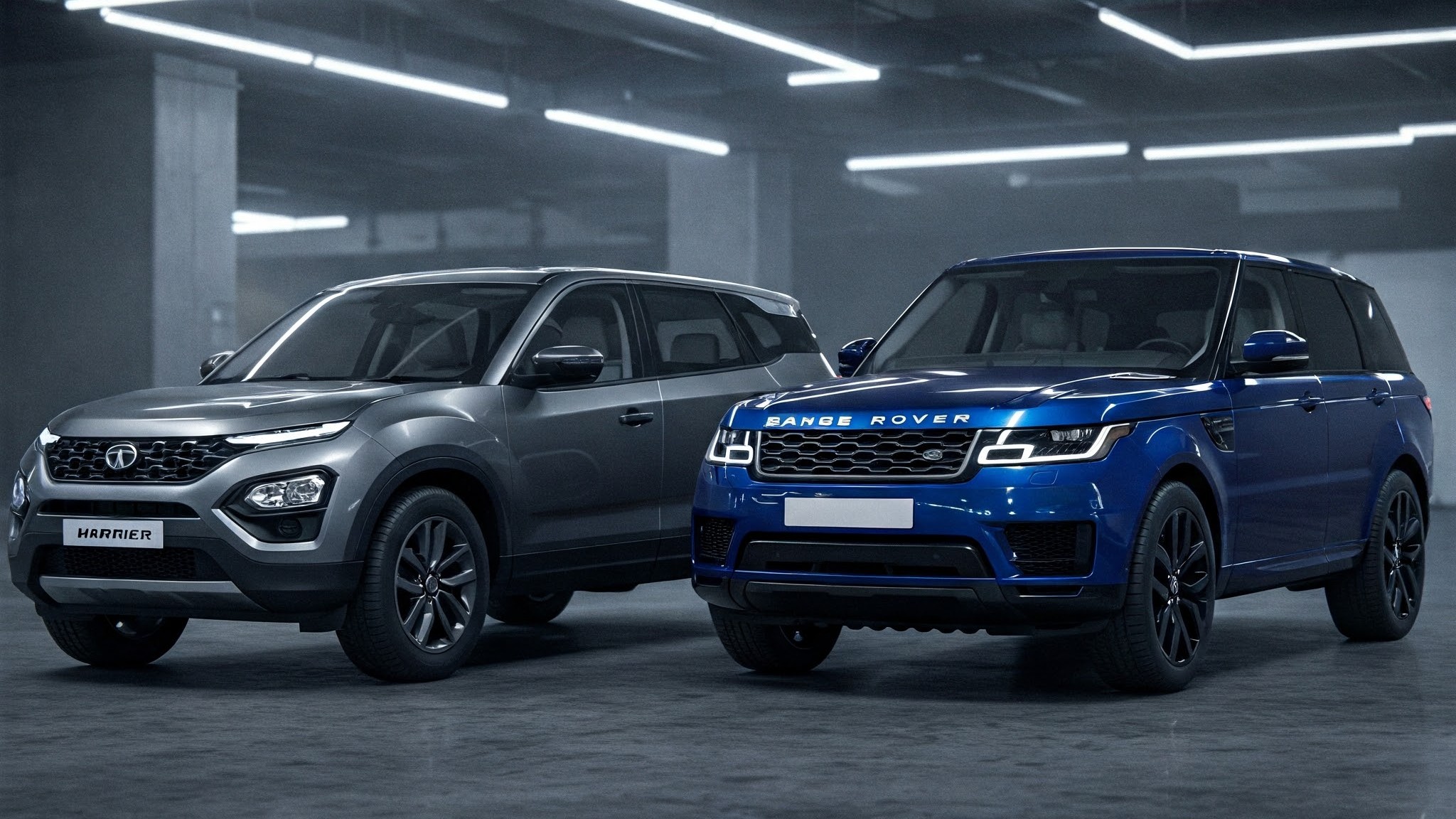
Shares of Tata Motors Ltd. surged the most in 15 trading sessions after it emerged that the India-UK free trade agreement works to its advantage in more ways than one.
Certain Land Rover SUVs can get cheaper by as much as 50% in India after the India-UK FTA slashed auto tariffs to 10% from over 100% at present, at least three industry watchers told NDTV Profit on the condition of anonymity. And in the event that Tata Motors decides to make Jaguar electric cars at its Chennai plant, that would still be lucrative.
Citi has backed the assessment.
“JLR could see some market share gains in India,” Arvind Sharma, director, equity research – India Autos & Transportation at Citi, said in a note Wednesday. “While absolute volumes are limited—JLR's India sales stood at 6,200-odd units in FY25—it could gain some market share from some of the European OEMs like Mercedes-Benz (19,000 units in FY25), BMW (15,800 units in FY25) and Audi (6,000 units in FY25).”
Additionally, Tata Motors can ship locally made auto components to the UK at reduced tariffs and use them on Land Rover SUVs made in that country. That would save costs further.
Jaguar Land Rover is the UK subsidiary of Tata Motors that still brings in two-thirds of revenue for its Indian parent. Land Rover has some assembly operations in Pune, but a majority of its Range Rover SUVs are made in Solihull and Halewood. Jaguar, which will turn into a fully electric brand in 2026, has its headquarters in Castle Bromwich.
The Import Math
One of the industry watchers cited above broke down the math of how JLR cars would be priced in India after the FTA comes into effect.
Today, the base price of an Rs 80-lakh fully imported Range Rover is not more than Rs 20-25 lakh if you remove the dealer margin at 10%, GST and compensation cess at 43%, and 110% customs duty. Under the India-UK FTA regime, the ex-showroom price would reduce to Rs 40-50 lakh, including GST and compensation cess at 43% and customs duty of 10%.
The price reduction wouldn't be that pronounced in the case of completely knocked-down units, which attract a customs duty of 16.5%. Some additional savings can also come by way of reduced tax on spare parts that are imported from the UK.
The EV Angle
The FTA opens up the electric cars made in India for exports to the UK, but Tata Motors is unlikely to take that bet immediately since it's largely an unknown in that country. Yes, the company has plans to take its electric cars global, but not a lot has happened on that front since last year.
Until and unless mass-market carmakers like Toyota, Citroen, Vauxhall or Nissan—which have manufacturing plants in the UK—decide to export electric cars to India, Tata Motors EV has no reason to tap the British market to open a new revenue stream.
Instead, Tata Motors can choose to make Jaguar's electric cars at its upcoming plant in Chennai and export them to the UK under the FTA regime, one of the industry watchers cited earlier said. That would aid margins even further.
Essentially, Tata Motors is uniquely positioned to make the most of the cheaper luxury imports into India and budget exports to the UK. When contacted, a company spokesperson said the company would first study the fineprint of the India-UK FTA before offering its views.
On Wednesday, Tata Motors shares rose 5.05% to Rs 680.50 apiece to emerge as the top gainer on the Nifty 50 index. The benchmark ended the day 0.14% higher at 24,414.40 points.

-
Signature Play: The Classic Cocktail Is Dead. Or Is It?

Classic cocktails are disappearing from India's cocktail menus. But they're still being ordered, taught to bartenders and borrowed from. So, who's really having the last drink?
-
A New Samvat Wishlist: Inclusive Prosperity And Human Development
India has strengthened its economic foundations through infrastructure, digital access and enterprise. Its next growth chapter must deepen productivity, create better livelihoods and widen participation in prosperity.
-
Love, Sex Aur Dhokha: The Audacious Plot To Spy On Jensen Huang
A Taipei dinner, a Singapore chip buyer and a suspected Chinese asset: inside the alleged spy operation that got close to NVIDIA's Jensen Huang.
-
Ten Things I Learnt This Samvat
Patience can be a trap. Cheap stocks can stay cheap. Leverage can wipe you out. What did Samvat 2082 teach us? Niraj Shah writes on 10 lessons from the year gone by.
-
Talking Points This Week: Tech Nerves, FII Buying, And A Faraway Banking Shock
The global markets are not shining this Diwali. The exception in the large markets is, India.
-
Midterm Rally Lasted A Day. The Hard Reality Of A Divided US May Last Two Years | Opinion
Between a contested AI boom, a debt ceiling that arrives in 2027 and a president with every incentive to act alone, the next two years may prove more volatile than the first day's rally suggests.
-
Blue Wave Will Derail the AI Trade but Won't Dismantle the AI Era | Unhedged Position
The Democrats' sweep of the US Congress will see politics collide with economic forces both over the long and short term.
-
It's Time To Take The GST Council's Bet On Trust Global
Payment records can prove India's services exports, and clear, proportionate rules can bring foreign digital sellers into the tax net.
-
Opinion | India at 38: From Innovation Overperformer to Innovation Powerhouse
India now has 453 VC-backed deep science startups, 18 of them late-stage, after 117 percent growth since 2020. Laurus Labs, at USD 9.3 billion, is the most valuable deep science company in any middle-income economy outside China.









