A 5.9-magnitude earthquake struck eastern Japan early Sunday, shaking Tokyo and injuring 23 people. No tsunami threat was reported. Train services were disrupted, while nuclear facilities reported no abnormalities.

A 5.9-magnitude earthquake struck eastern Japan early Sunday, shaking Tokyo and injuring 23 people. No tsunami threat was reported. Train services were disrupted, while nuclear facilities reported no abnormalities.

In a consumer sector note dated August 19, Macquarie analyst Avi Mehta said weather agency Skymet's latest forecast points to a weaker monsoon in August and September.

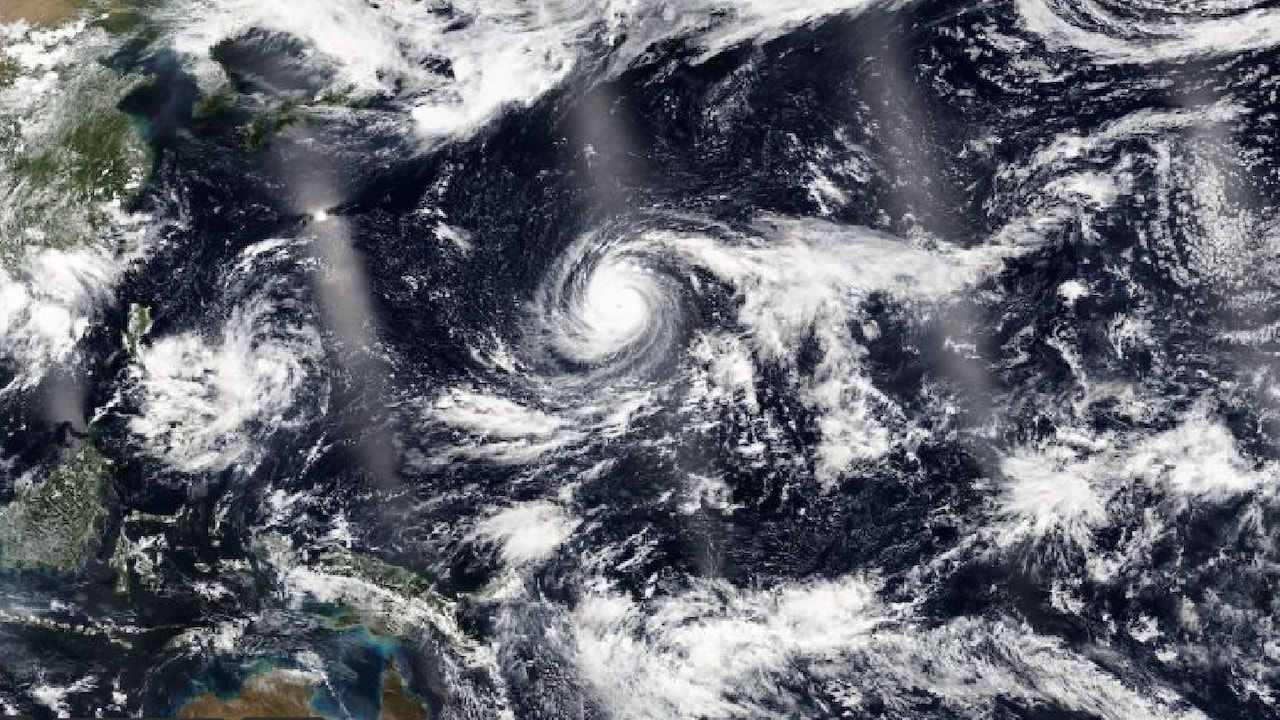
Typhoon Dolphin, the strongest tropical cyclone to hit China so far in 2026, came ashore near Yuhuan in Zhejiang province at around 5:30 lm local time on August 9.

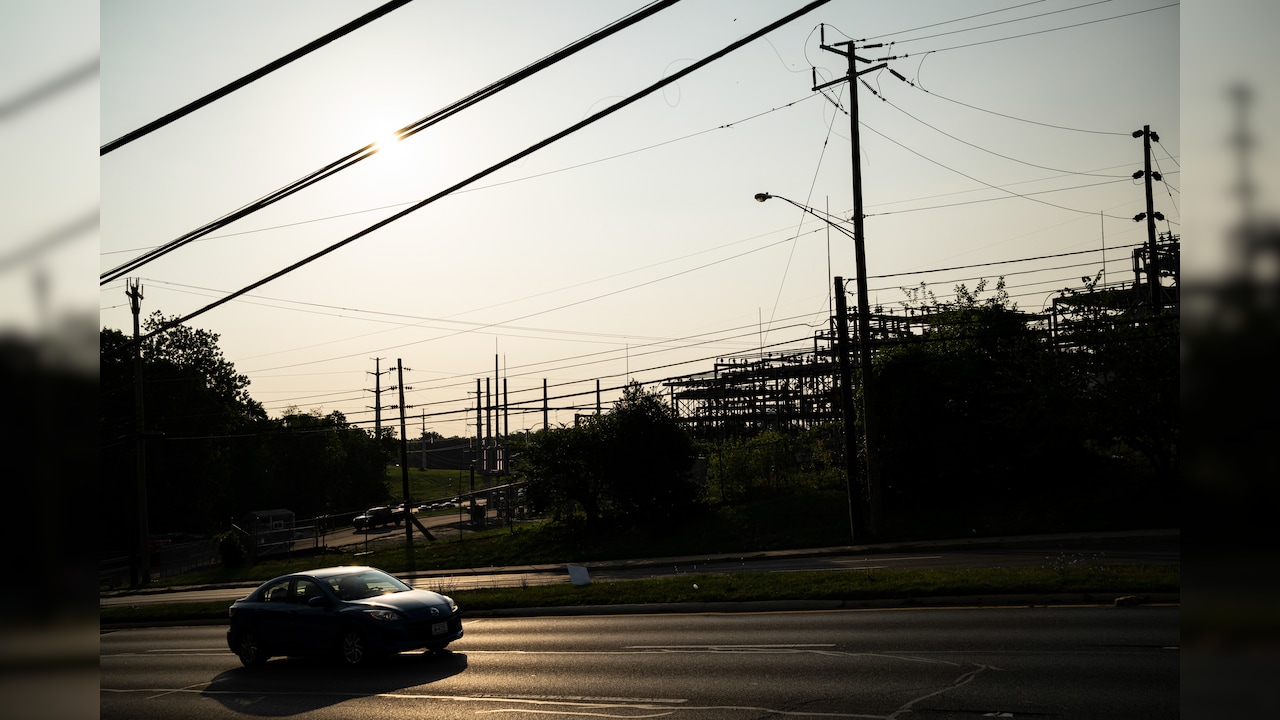
While electricity usage is set to ease slightly Friday amid holiday travel, cooling demand may spike again as the hot and humid conditions persist. The risk of failures at power plants or other critical equipment rises with high sustained demand.

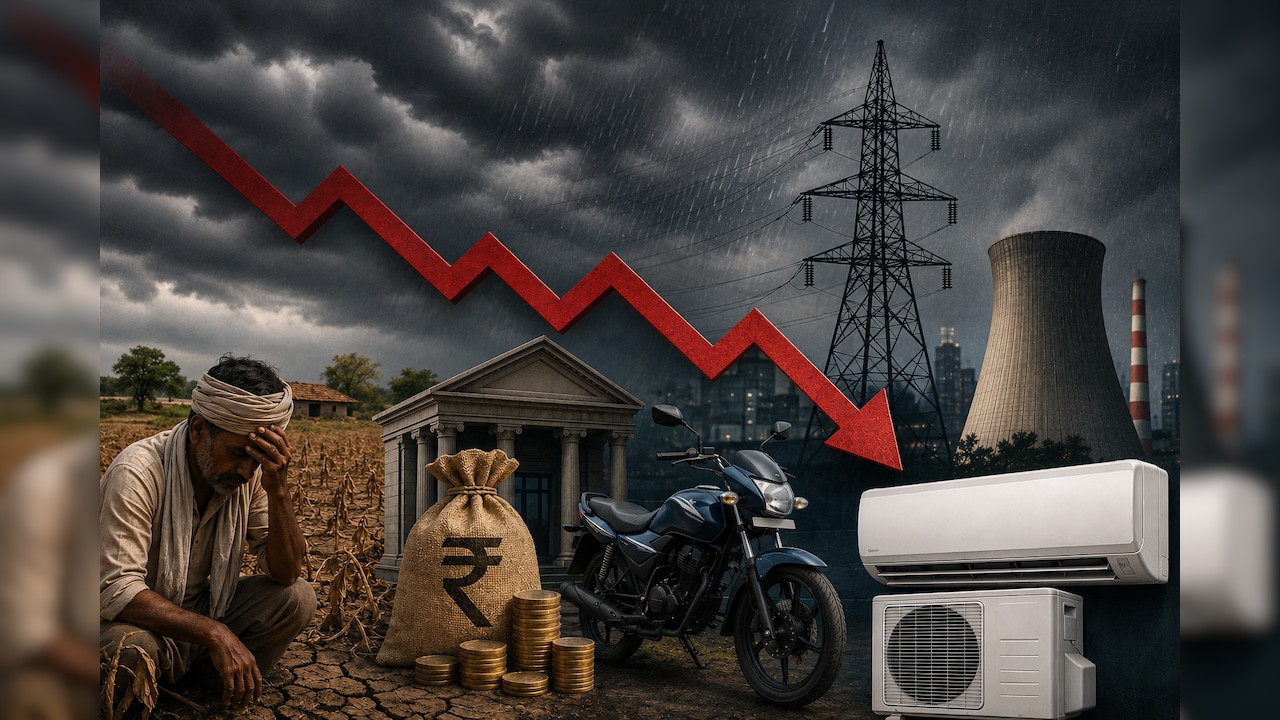
While stronger reservoir levels and adequate foodgrain stocks should cushion the immediate economic impact, Jefferies expects weaker rainfall to push up food inflation, weigh on rural incomes and potentially trigger additional fiscal support measures.

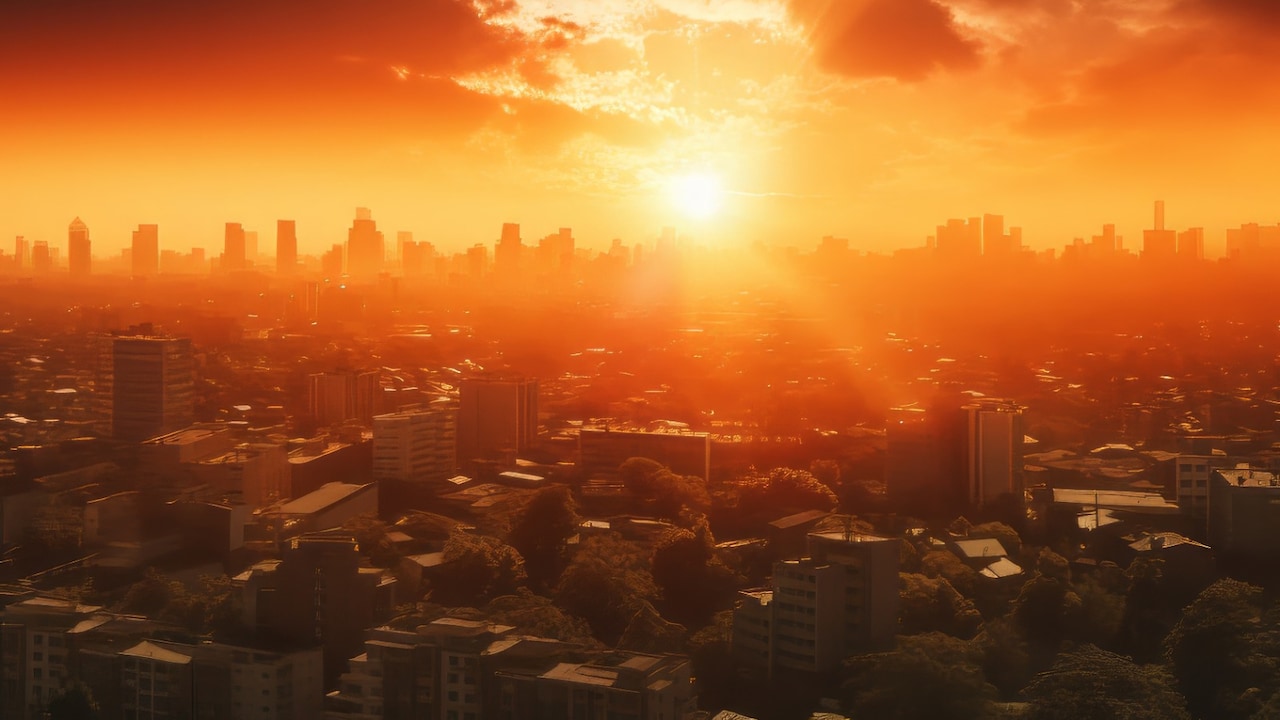
High temperatures have resulted in the highest weather warnings being issued in Switzerland, France, Austria, Germany and Hungary.

In countries like India, people, buildings and daily routines have evolved around recurring periods of extreme heat. Britain, on the other hand, is a country whose homes, infrastructure and public services were largely designed for a much cooler climate.

Scientists have repeatedly warned that climate change is increasing the frequency and intensity of such extreme weather events across the continent.

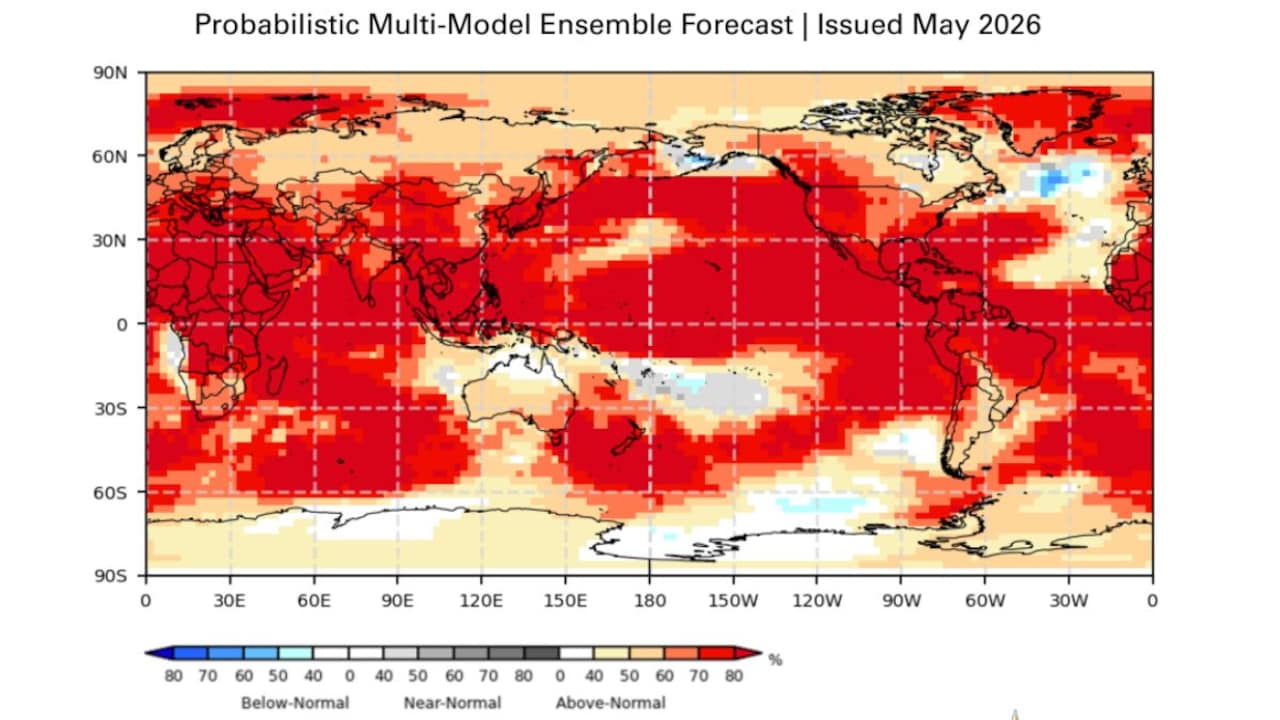
The phenomenon, driven by unusually warm waters in the tropical Pacific Ocean, will increase the risk of extreme weather events.

For eight of the past 10 years, average minimum temperatures during March to May — a proxy for nighttime heat over the pre-monsoon season — have been higher than the long-term average, according to data from the India Meteorological Department.