- The Indian rupee hit a record low of 91.05 against the US dollar on Dec 16
- Weakness driven by US-India trade deadlock and foreign equity and bond outflows
- Axis Bank says rupee weakness is not a major economic concern currently
The Indian rupee extended its losing streak on Tuesday, Dec. 16 crashing to a record low of 91.05 against the US dollar dragged by a prolonged deadlock in US-India trade negotiations and sustained foreign outflows from equities and bonds. INR's weakness despite low inflation has brought the real effective exchange rate to competitive levels, according to Axis Bank.
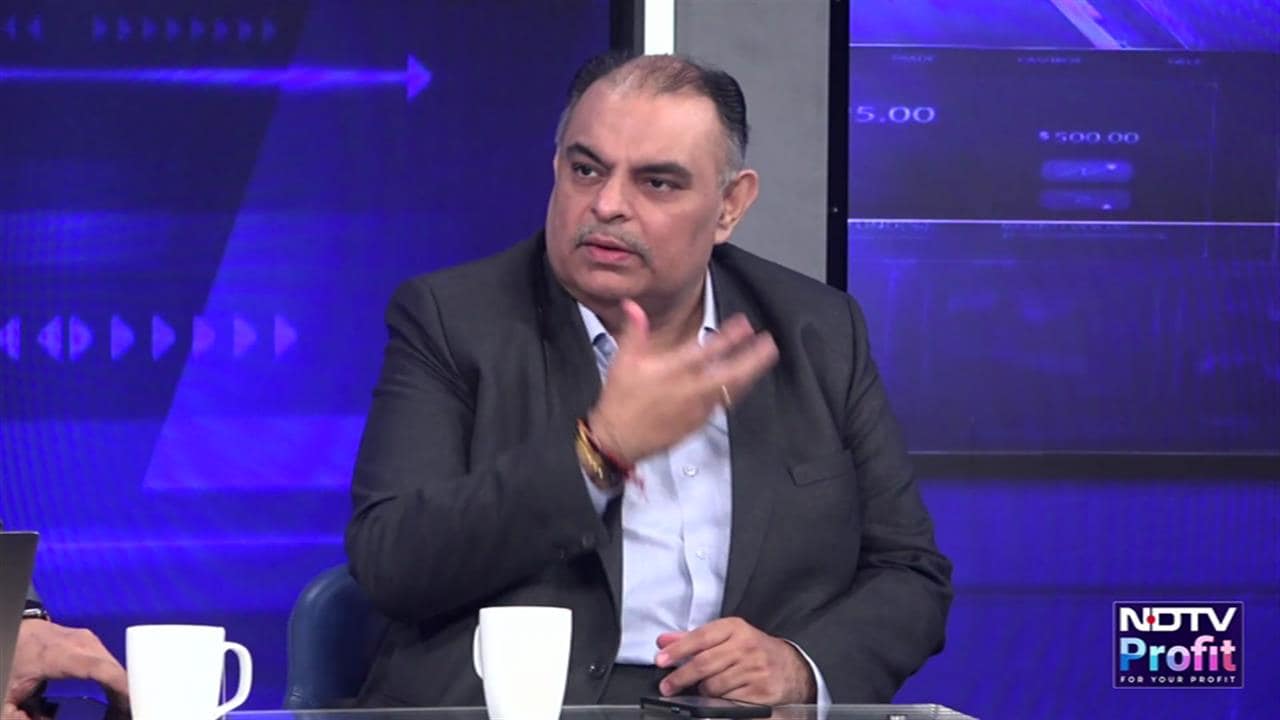
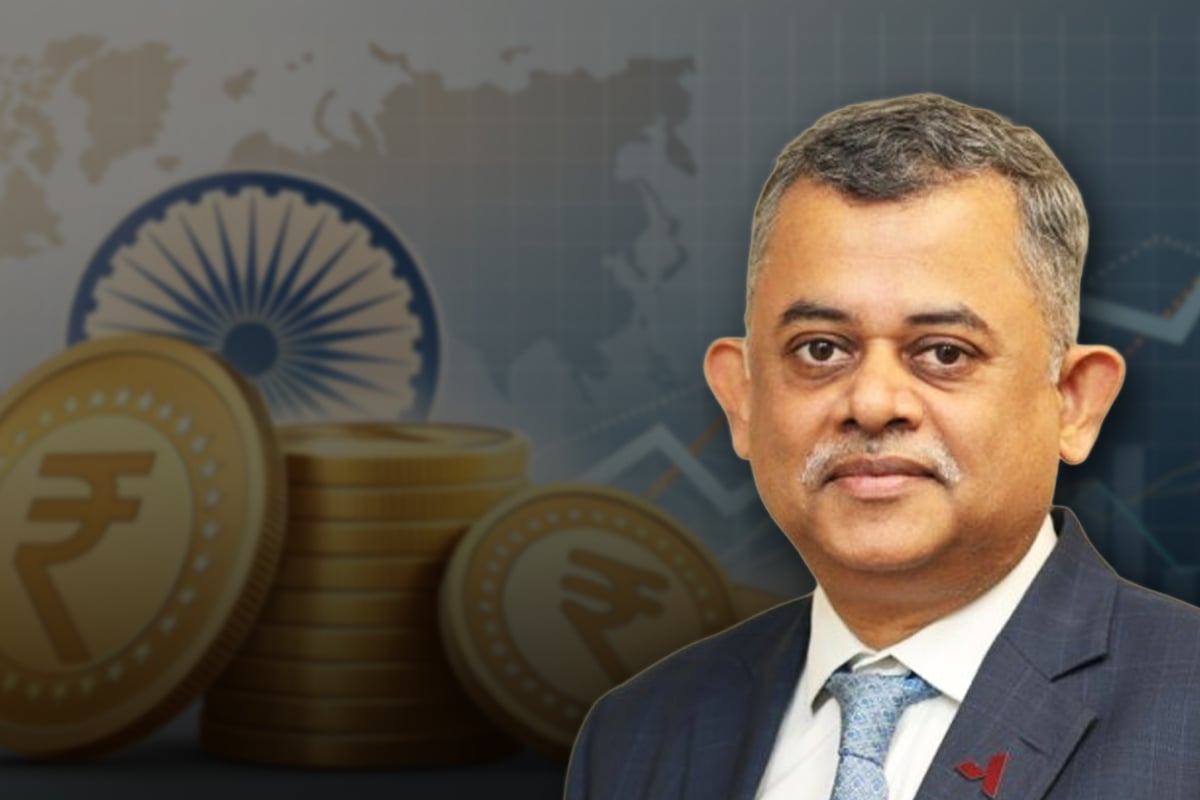
In an exclusive interaction with NDTV Profit, Neelkanth Mishra - Chief Economist, Axis Bank and Head - Global Research, Axis Capital said today that the INR's latest weakness is not a 'big concern' for the economy and also, many of the global currencies will start debasing in the next 3-5 years.
RBI To Buy Rs 1 Lakh Crore Of Bonds, Execute $5 Billion Three-Year Forex Swap To Boost LiquidityRBI crashes to all-time low: Should RBI intervene?
"We have to let go of the bravado that a strong currency means a strong economy. The currency is just a balancing factor," said Mishra. Temporarily much of FDI repatriation is happening. We used to see $20-25 billion of FDI repatriation about 4-5 years ago. That number is now $45 billion. So, we have a $20-25 billion extra outflow happening," said the economist.
Also Read | Layoffs Are Rising In Tech, But These Skills Are Helping People Unlock Better Pay
However, as they get exits they are much more willing to bring money back as well, according to him. "In the financial services space, a lot of direct investments is starting to happen, but temporarily we have an issue of balance of payments," addressed Mishra. "As the balance-of-payments is not unduly stressed, the RBI should try to hold levels and its focus should be on just curtailing volatility as that can be particularly damaging."
Credit: Axis Bank
The REER, which is the final arbitered of manufacturing competitiveness or the currency's contribution to manufacturing competitiveness, is already near a 10-year low. "So, the weakness is already sufficient. I don't think it will weaken significantly from here," said Mishra. According to Axis Bank, the FDI repatriation and the nearly worst-ever FPI outflows have pressured capital inflows, but those are expected to be temporary.
Rupee Rebound In 2026? INR To Move In 87.00–92.00 Range, Recovery Eyed In 2H2026: AnalystsWill global currencies stay dominant?
Axis Bank expects India's current account deficit to widen marginally to 1.2–1.3% of GDP in FY26/27. ''Looking ahead, the base case is for “mild, not wild” depreciation of the INR against USD," said the bank in its report.
The RBI is expected to absorb excess inflows to rebuild reserves, and any shift back to a floating regime would only be gradual. The INR is projected at 90/USD by June 2026 and 92/USD by June 2027, with the pace of depreciation dependent on the evolution of capital flows and global risk appetite.
Coming to the outlook, Mishra forecasts that in the next 3-5 years, there will be a global competitive currency debasement, which means that every single country will try to weaken its currency. "Eventually, if the US starts to debase its currency, the Chinese REER will fall. So, from a strategic perspective, a slightly weaker domestic currency is not that big an issue," he concludes.
FY27 Outlook: India To Grow At 7.5% With 4% Inflation, Says Axis Bank's Neelkanth MishraEssential Business Intelligence, Sharp Market Insights, Practical Personal Finance Advice, Daily Fuel, Gold and Silver Prices and Latest Stories — On NDTV Profit.