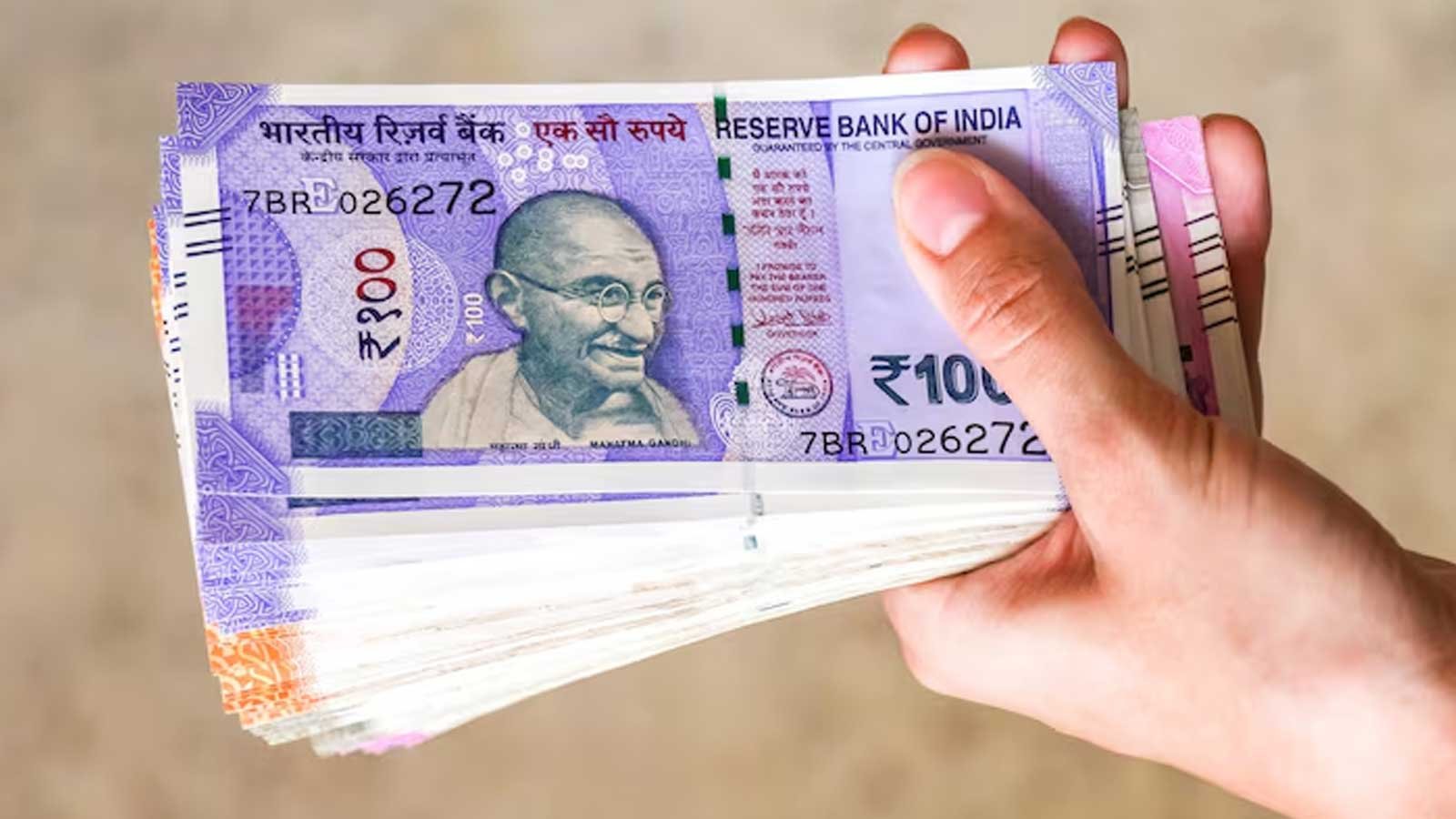
Wealth accumulation is a long-term journey and it requires consistency as well as financial discipline. Investment instruments play a crucial role in building a large corpus over time. While aggressive investors prefer high-risk, high-return assets like stocks and other equity instruments, conservative investors often look for secure options like fixed deposits (FDs), Public Provident Fund (PPF) and government-backed small savings schemes that offer steady returns.
Traditionally, for Indian investors, FDs have remained popular investment avenues as they offer guaranteed returns. Banks and non-banking financial companies offer a wide range of FDs across varying tenures to meet both short-term and long-term needs of investors. Interest rates vary significantly based on the tenures of FDs. So, the key to reaping the benefits of FD schemes lies in choosing the right scheme.
If you have Rs 10 lakh to invest in FDs, a common dilemma arises: should you park the entire amount in a single FD, or split it into smaller FDs of Rs 1 lakh each?
Also Read | Layoffs Are Rising In Tech, But These Skills Are Helping People Unlock Better Pay
Both approaches have merits, but the final decision should be based on your financial goals, liquidity needs, risk tolerance and current economic conditions. Let's see how an investment of Rs 10 lakh in a single FD and splitting it into equal small amounts could help to generate returns.
SIP Calculation: How Much Should You Invest Monthly To Become Crorepati In 10 Years?Rs 10 Lakh In Single FD Vs Rs 1 Lakh Each In 10 FDs
At the outset, it is important to remember that if the interest rate is the same across FDs, then the final maturity amount remains the same regardless of whether you invest in a single FD or split the amount into 10 FDs.
Here's a detailed calculation:
Rs 10 Lakh Lump Sum In A Single FD:
Total investment: Rs 10,00,000
Tenure: 10 years
Assumed Rate of return: 7% per annum
Estimated returns: Rs 9.67 lakh
Maturity corpus: Rs 19.67 lakh
You will get the same maturity corpus if you split an investment of Rs 10 lakh across 10 FDs with an assumed annual interest rate of 7%.
Pros And Cons Of Investing Rs 10 Lakh in One FD
Advantage
Simplicity: It is easier to manage and track a single deposit. This is because you only need to track one maturity date.
Disadvantages
The Liquidity Trap: This is the biggest drawback. If you suddenly need Rs 50,000 for an emergency, you have to break the entire Rs 10 lakh FD. This triggers a premature withdrawal penalty on the entire amount, not just what you withdrew.
Safety: If you keep the entire Rs 10 lakh in one bank and that bank faces a crisis, only up to Rs 5 lakh (principal + interest) is insured by the DICGC (Deposit Insurance and Credit Guarantee Corporation).
Pros And Cons Of Splitting Into 10 FDs Of Rs 1 Lakh Each
Advantages
Superior Liquidity: If you need Rs 1 lakh, you only break one FD. The remaining Rs 9 lakh continues to earn interest without any penalty.
Insurance Safety: If you spread these 10 FDs across two or three different banks (less than Rs 5 lakh), your entire Rs 10 lakh is fully insured under DICGC rules.
Interest Rate Averaging: If interest rates rise next year, you can reinvest your maturing Rs 1 lakh FDs at the new, higher rates. You aren't "locked in" at a low rate for the full amount.
Disadvantages
More Effort: You have to track 10 different maturity dates and manage 10 different pieces of paperwork (or digital entries).
Slightly Lower Convenience: Renewals and interest crediting happen separately.
To conclude, there is no fixed formula to choose FD investment options. If you value simplicity, have surplus funds and are confident you will not need liquidity before maturity, one Rs 10 lakh FD could be more suitable.
On the other hand, if flexibility, better liquidity management and the ability to respond to changing interest rates matter to you, splitting the amount into multiple FDs is the more practical choice.
Rs 50 Lakh Lump Sum: Can It Grow Into a Permanent Retirement Corpus?Essential Business Intelligence, Sharp Market Insights, Practical Personal Finance Advice, Daily Fuel, Gold and Silver Prices and Latest Stories — On NDTV Profit.