How To Create A Rs 5 Lakh Emergency Fund? These Are Your Options
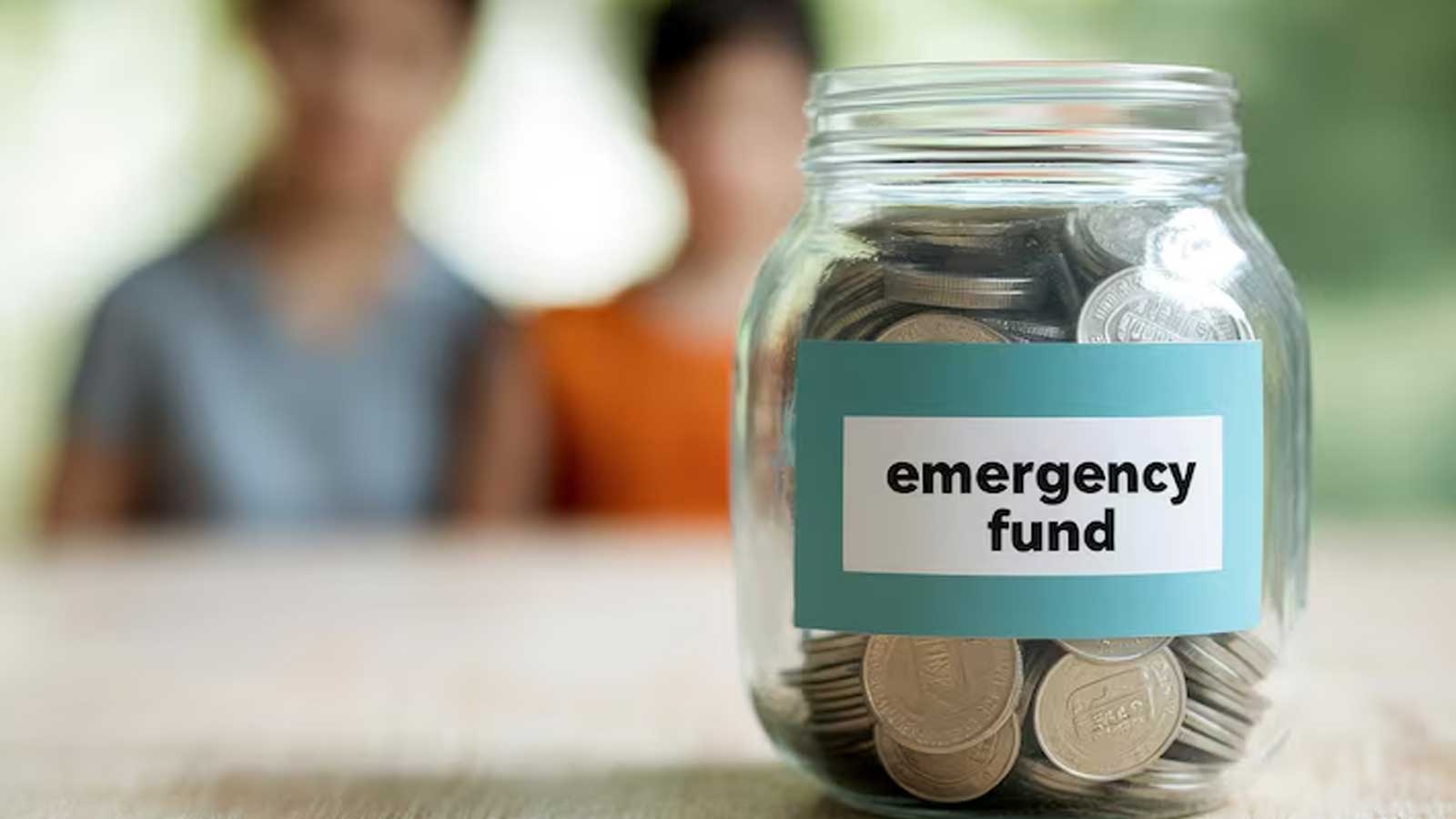
An emergency fund is a safety net for you and your family that can help tide over crisis situations such as job loss, medical expenses or urgent home repairs. As a general rule, it is advisable to set aside three to six months of expenses in an exigency fund. For most people, Rs 5 lakh is a good target to work toward. But how do you go about actually building this fund? Here are some easy and effective steps to assist you in creating this valuable safety buffer.
Begin With A Separate Savings Account
The easiest method to create your emergency fund is by opening a dedicated savings account for emergencies. This keeps you from using the money for regular expenses. Find a high-interest savings account that allows instant access to your money. Set up monthly deposits of a fixed amount until you accumulate your Rs 5 lakh. Automating payment transfers from your salary account can simplify this task and inculcate discipline.
Consider Fixed Deposits (FDs) For Safety
Fixed deposits (FDs) are a secure method of getting your money back with assured returns. Several banks have flexible FDs that allow you to specify shorter durations, such as six months to one year. These offer you higher interest rates than a savings account. Although FDs are not as liquid as a savings account, you can book several FDs with various maturity terms. This will make money available at frequent intervals when you may need it.
Utilise Liquid Mutual Funds
Liquid mutual funds invest in short-term debt securities and provide better returns than savings accounts, typically with very little risk. They offer instant withdrawal facility, usually within 24 hours, and are a suitable option for emergency funds. However, remember that the returns are market-dependent and not assured. So while the risk is low, it is not nil.
Avoid Risky Investments
Your emergency fund must maximise safety and liquidity rather than provide maximum returns. Don't put this money in stocks or highly volatile instruments, since at times of crises, you would be compelled to sell at a loss. The objective is to keep your emergency fund liquid, not to aggressively grow it.
Gradually But Constantly Build
Saving Rs 5 lakh may look like an ambitious goal, but regular monthly savings will take you there gradually. For instance, saving Rs 10,000 a month will add up to Rs 5 lakh in a little more than four years without interest. If you are able to save more, the duration gets shorter.
Creating this emergency fund is an important step in protecting yourself against unforeseen expenses. You can employ a combination of tools such as high-interest saving accounts, liquid mutual funds and short-term fixed deposits to park your money safely, earn some interest and easily access it when needed. Start small, remain regular and remember that this fund is your cushion. Therefore, use it only for genuine emergencies.

-
High US Salaries, No Green Card Certainty: The Financial Calculation Facing Indian H-1B Families

The suspension of PERM processing at eight technology employers does not cancel existing H-1B visas. What it does is force a question many Indian families have been avoiding: is the US salary worth tying your career and family plans to one employer?
-
Swiggy vs Eternal: Food Delivery's Two Rivals Are No Longer In The Same Race
Eternal is building a private AI assistant, dark.ai. Swiggy is still working out how to make Instamart pay, with an operating loss of Rs 895 crore in the July-September quarter while Blinkit stayed profitable.
-
Where You Live Shapes How You Get To Work | The Reason Why
Two-wheelers are the most popular way to get to work in India, accounting for nearly 43% of workplace commutes.
-
Unhedged Position: Can India See An Indonesia-Style Time Correction?
The Nifty is trading below levels it first clocked in 2024. Is there, then, as I have suggested in the headline, potential that the current time correction drags on painfully for the next three-five, even ten years?
-
Navigating Friction And Energy Realities: An Analysis Of Marco Rubio's October Visit To India
Occurring at a critical juncture marked by stalled trade negotiations and escalating geopolitical pressures over global energy supplies, the visit offers a profound window into modern US-India relations.
-
India Exports Capital. Why Not Export Trusteeship?
The big question, then, is whether India can build an institution that global borrowers, investors, banks, and lawyers can trust, even without an Indian connection.
-
France's Economy & Politics Are In Crisis | The Reason Why
Let's look at how the French economy and politics evolved under Nicolas Sarkozy, Franois Hollande and Emmanuel Macron.
-
You May Inherit The Business. You Must Earn Its Credibility.
Succession tests the founder's ability to share authority as much as it tests the next generation's readiness to assume it.
-
Signing Deals Is One Thing; Making Them Work Is Another | The Week In Whys
Sometimes, things don't turn out as planned. Indian companies have lost some bids to rivals, some projects won't produce until 2030.
-
FOMC Wall, PERM Suspension, Hospital Stocks | Talking Points This Week
A PERM suspension would directly affect green-card sponsorship rather than H-1B visas, so the near-term earnings impact could remain relatively limited. The key question is whether this marks a new phase in US scrutiny of Indian IT.









