GST 2.0: Not Just A Rate Cut — A Complete System Overhaul | In This Economy
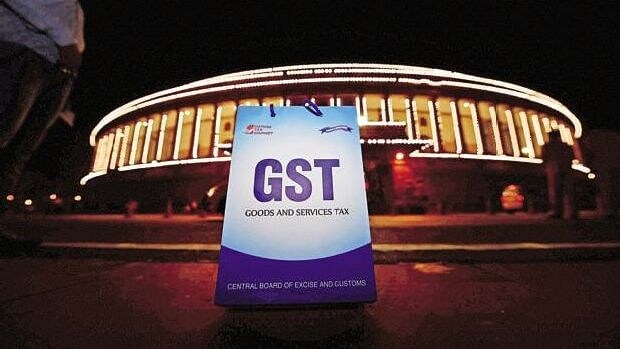
Big moves are underway on the tax front. Just hours after presenting the Union Budget on February 1, Finance Minister Nirmala Sitharaman rolled up her sleeves for something just as ambitious — a major revamp of the GST system. And no, it's not just about slashing tax rates. This is a deeper clean-up of a tax structure that industries have long found confusing, inconsistent, and lots of red tape.
Over the past six months, the Finance Ministry has been quietly working behind the scenes, holding several internal meetings and reviewing GST rates item by item. The team, including Sitharaman and at least three revenue secretaries, didn't just focus on rates — they dove into everything from registration pain points to refund delays. The Centre might not have a formal seat on most GST-related ministerial panels, but it's been working hard to push its case and get the States on board.
At the heart of the reform? Predictability, simplicity, and fairness.
The government wants to tackle long-standing issues like the inverted duty structure and classification disputes that have kept businesses guessing and litigating.
The proposal includes slashing most 12% slab items down to 5%, and trimming 90% of the 28% slab items to 18%. That's big news for the middle class and industry alike. But equally important are the behind-the-scenes improvements — simpler registration processes, faster refund timelines, and fewer mismatches in return filings thanks to pre-filled forms.
A standout proposal: 95% of GST registrations could be processed within three days, based on risk profiling. For exporters, less human intervention in refunds could mean fewer delays — and fewer headaches.
Sure, there's a cost. While there's no official word on how much revenue the government expects to lose, RBI had pegged the average GST rate at 11.6% two years ago. That's expected to drop noticeably. But the Centre is betting big on a consumption boost and a wider tax base to make up for it. With a majority of items moving into the 5% bracket, there's also less room — and less incentive — for tax evasion or bogus credit claims.
And yes, the States might not be thrilled. Many are already pressing the Sixteenth Finance Commission for a bigger slice of central taxes. These GST cuts could add fuel to that demand. Also, if you were hoping for petroleum products to come under GST soon — don't hold your breath. States rely heavily on that revenue, and these new cuts don't exactly make a stronger case for including them.
So, what's next?
The all-powerful GST Council is set to huddle on September 3 and 4 to take up the Centre's pitch for what could be called a massive reform. Politically, it may be tough for States to oppose rate cuts that benefit consumers, but expect some serious negotiations around compensation. With the compensation cess regime nearing its end, States are likely to push for an additional levy on select high-end items to cushion their revenue loss. The Centre has already clarified that the overall tax incidence on sin goods would remain the same.
Paired with the new Income Tax Bill and this year's Budget tweaks, these GST reforms are shaping 2025 into a milestone year for India's tax system — both direct and indirect.
We'll keep you posted on what happens next!

-
India's Troika Of Good Luck | Joining The Dots

A weaker Trump, a cooling AI trade and resilient earnings have put Indian markets back in favour. Rising inflation could spoil the party.
-
Talking Points This Week: Leadership Shock At Nvidia, Earnings Strength, And The Fog Over Hormuz
The Anthropic IPO pricing and first trading day, Nvidia's upcoming earnings, and any fresh signals from Iran will set the tone for the following week.
-
Signature Play: The Classic Cocktail Is Dead. Or Is It?
Classic cocktails are disappearing from India's cocktail menus. But they're still being ordered, taught to bartenders and borrowed from. So, who's really having the last drink?
-
A New Samvat Wishlist: Inclusive Prosperity And Human Development
India has strengthened its economic foundations through infrastructure, digital access and enterprise. Its next growth chapter must deepen productivity, create better livelihoods and widen participation in prosperity.
-
Love, Sex Aur Dhokha: The Audacious Plot To Spy On Jensen Huang
A Taipei dinner, a Singapore chip buyer and a suspected Chinese asset: inside the alleged spy operation that got close to NVIDIA's Jensen Huang.
-
Ten Things I Learnt This Samvat
Patience can be a trap. Cheap stocks can stay cheap. Leverage can wipe you out. What did Samvat 2082 teach us? Niraj Shah writes on 10 lessons from the year gone by.
-
Talking Points This Week: Tech Nerves, FII Buying, And A Faraway Banking Shock
The global markets are not shining this Diwali. The exception in the large markets is, India.
-
Midterm Rally Lasted A Day. The Hard Reality Of A Divided US May Last Two Years | Opinion
Between a contested AI boom, a debt ceiling that arrives in 2027 and a president with every incentive to act alone, the next two years may prove more volatile than the first day's rally suggests.
-
Blue Wave Will Derail the AI Trade but Won't Dismantle the AI Era | Unhedged Position
The Democrats' sweep of the US Congress will see politics collide with economic forces both over the long and short term.
-
It's Time To Take The GST Council's Bet On Trust Global
Payment records can prove India's services exports, and clear, proportionate rules can bring foreign digital sellers into the tax net.









