US Fed Meeting: The Key Indicator That Signals Aggressive Rate Cuts As Recession Fears Rise
For all the latest updates from today's FOMC meeting, tune in to our US Fed Meeting live blog here.
Aggressive rate cuts seem to be on the horizon, as a key economic indicator suggests the US Federal Reserve might be behind the curve in dealing with an impending recession.
The Sahm Recession Indicator is an economic rule of thumb that signals the start of a recession when the three-month average US unemployment rate rises by 0.50% or more from its 12-month low.
Sahm Uptick And Aggressive Cuts
Created in 2019 by economist Claudia Sahm, this indicator has already crossed the critical 0.50% threshold after the country's unemployment rate rose to the highest level in nearly three years. While, interest rates remained at an over two-decade high.
Historically, elevated Sahm levels have always been followed by aggressive rate reductions, such as those after the dot-com bubble burst in 2001, the 2008 financial crisis, and the Covid-19 pandemic in 2020.
In 2001, as the dot-com bubble burst, the recession indicator surpassed the 0.5-mark in June, prompting the Fed to slash rates from 3.75% to 1.75% by the year's end.
Similarly, in 2008, the indicator breached 0.50% by the June quarter, signaling a recession. Although the Fed eventually reduced rates from 2.00% to 0.25% by the end of the year, this came after the economic collapse had accelerated.
The Covid-19 pandemic in 2020 saw the indicator skyrocket to 9.50%, with the Fed slashing rates to near-zero almost simultaneously.
What After September?
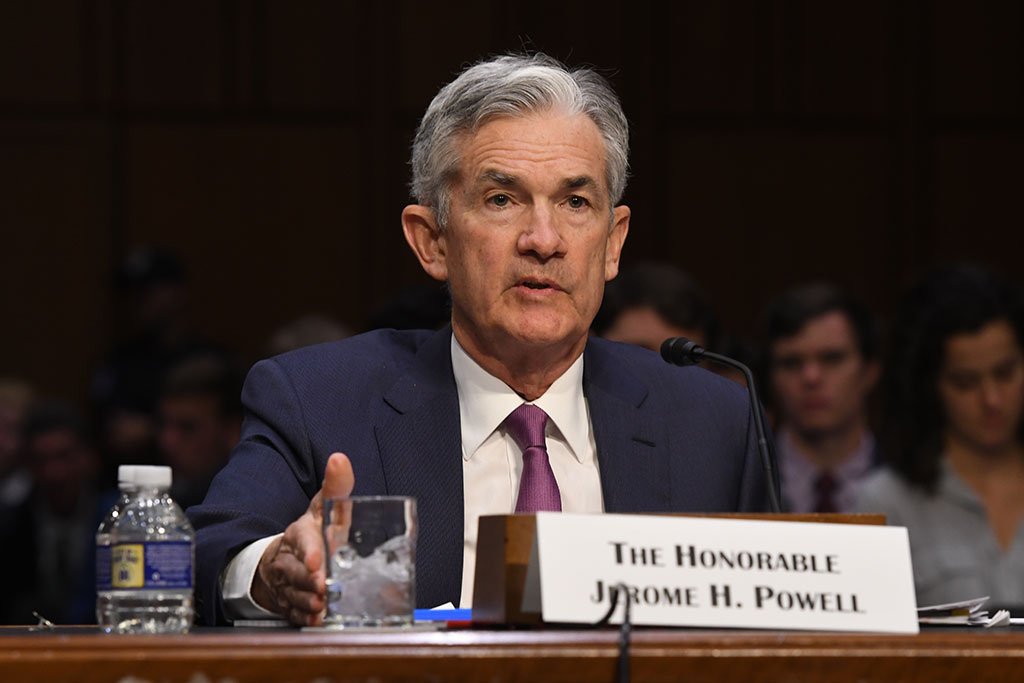
Economists expect Fed Chair Jerome Powell to announce a 25 basis-point rate cut in the upcoming decision on Wednesday. Traders have fully priced in one rate cut, while 49% see an additional cut, according to Bloomberg data.
The Federal Open Market Committee anticipates a soft landing for the US economy in 2024, that includes slowing GDP growth but no recession.
However, as of September 2024, the New York Fed suggests a 62% probability of a recession in the next 12 months. A recession probability of over 60% has not been suggested since the early 1980s.
Supporting this, the Sahm Rule also stands at 0.57%, suggesting that the Fed might be behind the curve. If the Fed follows its historical pattern, significant rate reductions could soon be coming.

-
Opinion | India at 38: From Innovation Overperformer to Innovation Powerhouse

India now has 453 VC-backed deep science startups, 18 of them late-stage, after 117 percent growth since 2020. Laurus Labs, at USD 9.3 billion, is the most valuable deep science company in any middle-income economy outside China.
-
Navigating Energy Crossroads: S Jaishankar's Call For Diversified Supply Chains At G20 Ministerial Meeting
As geopolitical fault lines continue to test maritime trade routes and commodity flows, Jaishankar's message remains pertinent: true economic resilience requires open markets, protected transit lines, and a genuine commitment to multilateral cooperation rather than coercion.
-
Indians Are Travelling, But Not Every Journey Is A Holiday | The Week In Whys
Pilgrims, patients and working women are the real travellers, and the system hasn't quite caught up with them.
-
Getting To Work Costs Women More | The Reason Why
It is not just about women paying more than men. It is about women paying much more in cities than in villages.
-
AI Bias In Investing Cannot Be Eliminated, But It Can Be Governed
Framing is a particularly important example as identical financial information presented in terms of gains rather than losses can lead an LLM to reach a different assessment.
-
Joining The Dots | Dark Skies, Steady Diya: Why Hope Holds This Diwali
With war, a weak rupee and foreign outflows weighing on sentiment, policymakers at the NDTV World Summit and market veterans at NDTV Profit Ignite: Diwali Edition offered the same advice: stay invested and filter out the noise.
-
The Curious Case of Equitas Small Finance Bank And A CEO Who Quit For Stock
PN Vasudevan believes persistent investor concerns over a perceived conflict of interest had become a governance overhang on Equitas Small Finance Bank's stock, even as the lender improved profitability and asset quality.
-
Talking Points This Week: AI Cash Burn, A Tiger Comeback And An India That Still Finds Its Own Path
India is not immune to higher oil or tighter global liquidity, yet its earnings base is broader, its domestic policy levers are still available.
-
Foreign Investors Own Half Of HDFC Bank and ICICI Bank. An LTCG Cut Could Matter Most Here
Foreign portfolio investors have US$115 billion parked in HDFC Bank, ICICI Bank. If the government cuts long-term capital gains tax, Jefferies says returning foreign money could land here first.










