Ratan Tata Passes Away: JLR Acquisition To Nano Launch — A Look Back At His Key Business Decisions
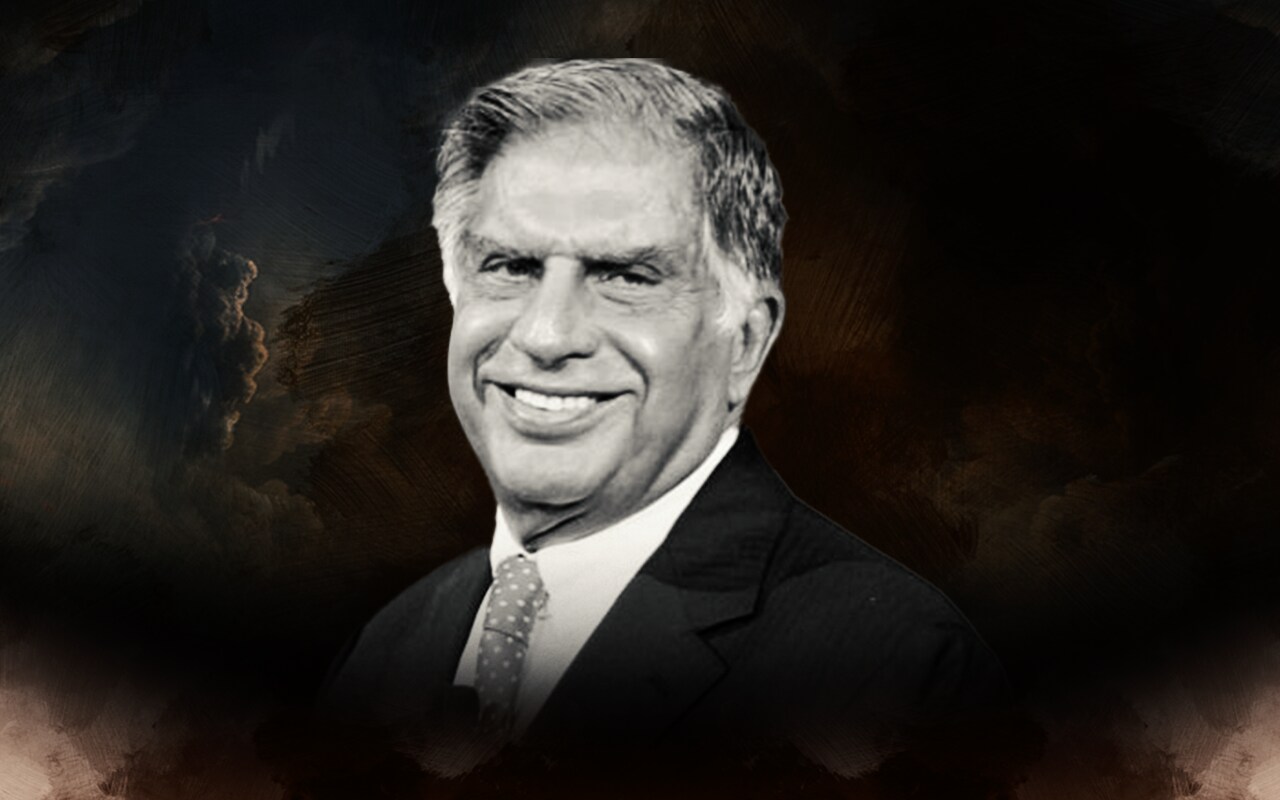
Ratan Tata, one of India's tallest business magnates, died on Wednesday following a period of illness. The 86-year-old had led the Tata Group for around 21 consecutive years between 1991 and 2012.
The period when Ratan Tata was at the helm is considered to be the phase when the salt-to-software conglomerate turned into a global business giant from an India-centric entity.
Here's a look back at some of the top business decisions taken by Ratan Tata as the chairman of Tata Sons, the holding company of the conglomerate.
JLR Acquisition
Under the leadership of Ratan Tata, the group had taken the landmark decision to acquire Jaguar Land Rover, a luxury carmaker with a significant share in the UK automobile market. The company was acquired by Tata Motors for a net consideration of $2.3 billion in June 2008.
In fiscal 2024, JLR had clocked its highest-ever revenue of £29 billion, and net profit stood at £2.6 billion.
Nano Launch
With the vision to make four-wheelers affordable for the masses, Ratan Tata spearheaded the project to launch Tata Nano. The mini car was unveiled in 2008 at an introductory price of Rs 1 lakh.
Despite a large target market comprising middle-class nuclear families, Nano was not a major success. The maximum sales it achieved was in fiscal 2012 of 74,527 units, and thereafter it kept dwindling. In 2018, its production was halted.
Entering Telecom
Tata Group had entered into the domestic telecom market when Ratan Tata was at the helm. The conglomerate's arm, Tata Teleservices, launched Tata Docomo in November 2008 in collaboration with Japanese telecom major NTT Docomo.
With its low tariffs, Tata Docomo gained a foothold in the Indian market. In November 2010, it became the first private telco to offer 3G services. However, recurring losses led to the exit of NTT Docomo from the venture in 2014. By 2017, the operations were winded up and the business was acquired by Bharti Airtel.
Defence Business
One of the key decisions taken by Tata Sons during the tenure of Ratan Tata was the launch of Tata Advanced Systems Ltd. to explore the aerospace and defence solutions business. The launch, in 2007, made TASL an early entrant in the defence sector from the private sector.
However, TASL was outmatched by some of its sectoral peers in the years that followed. Although the company logged a revenue of Rs 342 crore in fiscal 2024, it continues to hold ambitions of expanding its market share. Last month, it announced a partnership with American aerospace major Lockheed Martin to explore business opportunities in the Indian market.
Starbucks In India
Starbucks made its debut in the Indian market in October 2012 through a 50:50 joint venture with Tata Consumer Products Ltd. when Ratan Tata was the chairman of Tata Sons.
Today, it operates over 390 stores across 54 cities, including Mumbai, New Delhi, Hyderabad, Chennai, Bengaluru, Pune, and Kolkata, among others.
The brand has established a strong presence in cities such as Chandigarh, Ahmedabad, Surat, Vadodara, and many more, employing a network of over 4,200 employees. The stores are managed by Tata Starbucks Pvt. and are branded as Starbucks Coffee - A Tata Alliance.
Air India Acquisition
In 2021—when Air India's ownership changed hands—Ratan Tata was not the chairman of Tata Sons, but he remained the chairman emeritus of the company. The loss-making carrier was acquired for Rs 18,000 crore.
The acquisition marked a homecoming for Air India, which was a Tata Group-operated carrier before it was nationalised post India's Independence. "Tatas will have the opportunity of regaining the image and reputation it enjoyed in earlier years," Ratan Tata had then stated. In fiscal 2024, Air India trimmed its net losses by 60% on-year to Rs 4,444 crore.

-
India's Troika Of Good Luck | Joining The Dots

A weaker Trump, a cooling AI trade and resilient earnings have put Indian markets back in favour. Rising inflation could spoil the party.
-
Talking Points This Week: Leadership Shock At Nvidia, Earnings Strength, And The Fog Over Hormuz
The Anthropic IPO pricing and first trading day, Nvidia's upcoming earnings, and any fresh signals from Iran will set the tone for the following week.
-
Signature Play: The Classic Cocktail Is Dead. Or Is It?
Classic cocktails are disappearing from India's cocktail menus. But they're still being ordered, taught to bartenders and borrowed from. So, who's really having the last drink?
-
A New Samvat Wishlist: Inclusive Prosperity And Human Development
India has strengthened its economic foundations through infrastructure, digital access and enterprise. Its next growth chapter must deepen productivity, create better livelihoods and widen participation in prosperity.
-
Love, Sex Aur Dhokha: The Audacious Plot To Spy On Jensen Huang
A Taipei dinner, a Singapore chip buyer and a suspected Chinese asset: inside the alleged spy operation that got close to NVIDIA's Jensen Huang.
-
Ten Things I Learnt This Samvat
Patience can be a trap. Cheap stocks can stay cheap. Leverage can wipe you out. What did Samvat 2082 teach us? Niraj Shah writes on 10 lessons from the year gone by.
-
Talking Points This Week: Tech Nerves, FII Buying, And A Faraway Banking Shock
The global markets are not shining this Diwali. The exception in the large markets is, India.
-
Midterm Rally Lasted A Day. The Hard Reality Of A Divided US May Last Two Years | Opinion
Between a contested AI boom, a debt ceiling that arrives in 2027 and a president with every incentive to act alone, the next two years may prove more volatile than the first day's rally suggests.
-
Blue Wave Will Derail the AI Trade but Won't Dismantle the AI Era | Unhedged Position
The Democrats' sweep of the US Congress will see politics collide with economic forces both over the long and short term.
-
It's Time To Take The GST Council's Bet On Trust Global
Payment records can prove India's services exports, and clear, proportionate rules can bring foreign digital sellers into the tax net.









